17+ Best iGaming Ad Examples in 2026 (Casino & Betting)
Key takeaways
- Clear incentive: The strongest iGaming ads give an eligible player one specific reason to click, such as a named bonus or game.
- Real results: Every example comes from a Blockchain-Ads campaign, with its published case study numbers beside the creative.
- Market rules: Bonus-led ads can't run everywhere, because markets such as Ontario, the UK, and Germany limit inducements.
- Proven sizes: 320×100, 728×90, and 300×250 have been the best-performing banner sizes across Blockchain-Ads campaigns.
- Consistent journey: The landing page or pre-lander must repeat the ad's exact offer, amount, and conditions.
The strongest iGaming ad examples give an eligible player one true reason to click and a clear next step. Casino and betting creatives have to land that reason inside a tight window of space, attention, and ad rules.
Most pages that collect iGaming ads show screenshots from social or search with no results attached. The casino advertising examples below come from real Blockchain-Ads campaigns, with each campaign's published numbers next to the creative. Cloudbet's "Everything in one app" banner, for example, became the highest-converting creative of its phase in a campaign that cut CPA by 65%.
The 17+ iGaming ads are grouped into ten creative angles, followed by the formats, sizes, GEO lessons, and landing-page practices that support them.
1. iGaming Bonuses and Promotion Ads
Bonus-led iGaming ads work when the reward is specific enough to understand in one glance. “Welcome offer” is itself a hook category, while “spin the wheel” is a particular interaction a player can picture.
The value still needs terms, eligibility, and market approval on the landing page. But the ad itself should carry one clear incentive rather than a bundle of competing claims.
Check where a bonus-led ad can run before using it. Ontario and Alberta ban public inducement ads, the UK Gambling Commission caps wagering requirements at 10x the bonus amount, and Germany limits online casino ads on the internet and broadcast media to 21:00 to 6:00.
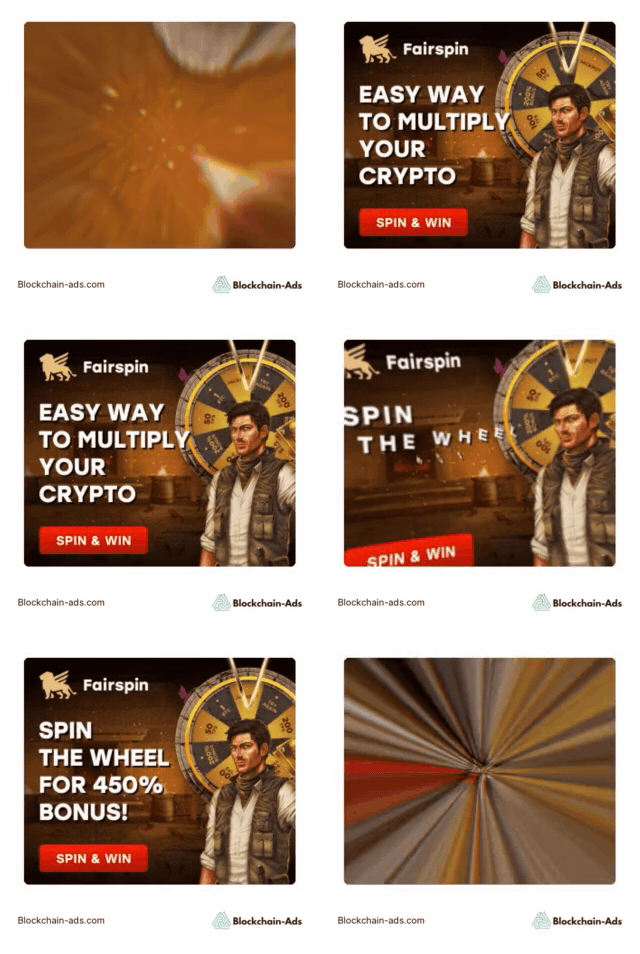
Fairspin: animated display, 300×250, a free spin wheel for a bonus with a recognizable game mechanic.

Trust Dice: animated display, 900×600, an offer of a fixed amount and deposit condition to engage the audience for fast conversion.
Fairspin used several wheel-led variants during a campaign that reported 782 first-time depositors and a 36% CPA improvement from Phase 1 to Phase 3.
Trust Dice kept the proposition more direct: its $25 deposit bonus campaign reported 2,210 new players at a final CPA of $67.87. The creative lesson is that the visual and copy should explain the same reward, regardless of which reward type is used.
2. Time-Sensitive Offer Ads
Time-sensitive casino ads put a boundary around an otherwise familiar offer. A short calendar window, tournament day, monthly game drop, or sporting event can give a player a reason to decide now. This works provided the expiry is real and the terms are available after the click.
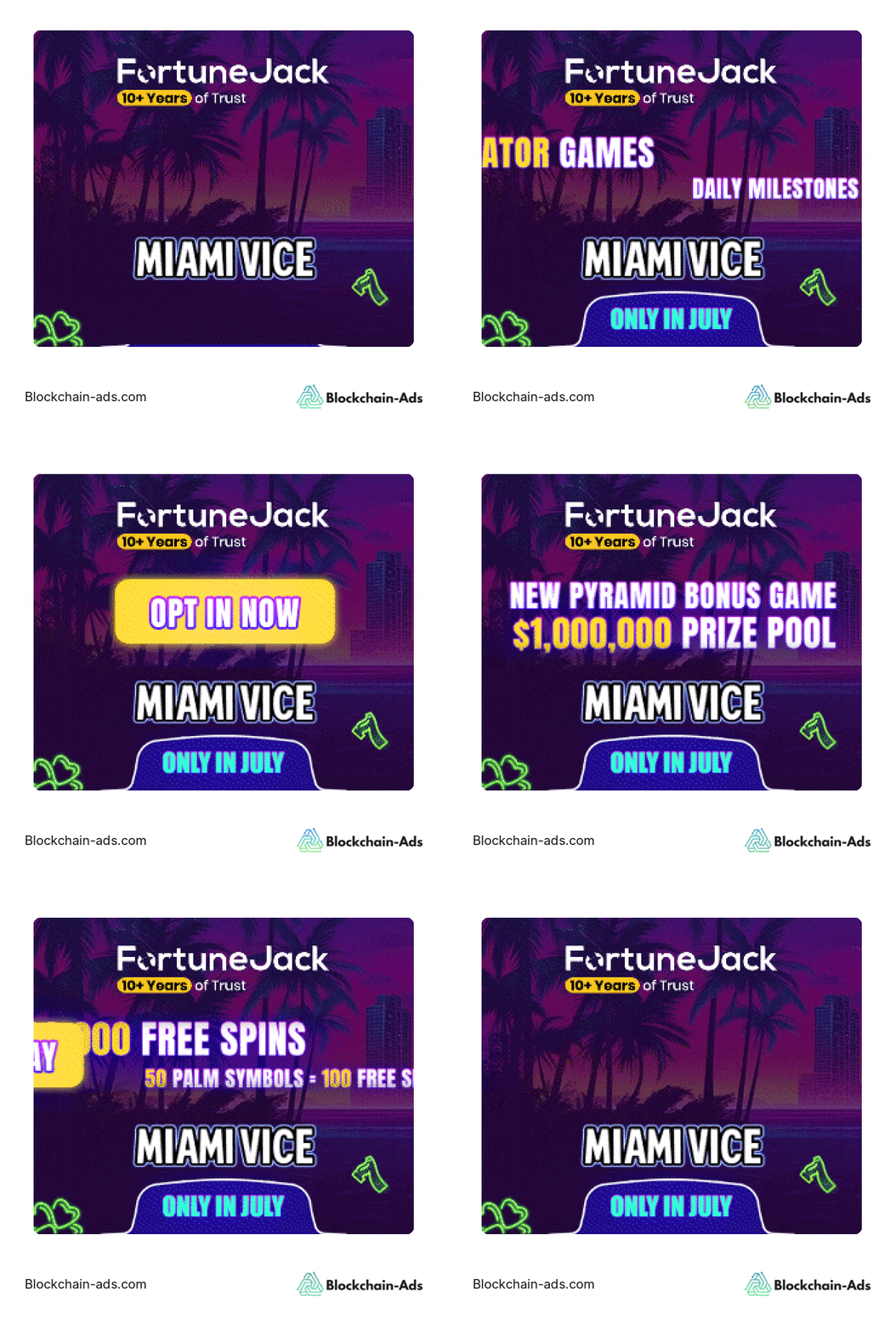
FortuneJack: display, 300×250, a Miami Vice theme turns the seasonal free-spins message into something more specific than an evergreen welcome offer.
FortuneJack’s Miami Vice free-spins execution is a useful example of this format. The campaign moved beyond an evergreen welcome message by making the seasonal theme part of the proposition. Its campaign case study reports 8.5M+ impressions and a 0.94% conversion rate on its anchor campaign.
3. Betting Game-Specific Incentive Ads
Betting ads become more useful when they name the action a player already came for: a free bet on a defined fixture group, daily free spins, a race, or a jackpot round. It makes the creative less generic and lets the landing page continue directly into the relevant sportsbook or casino
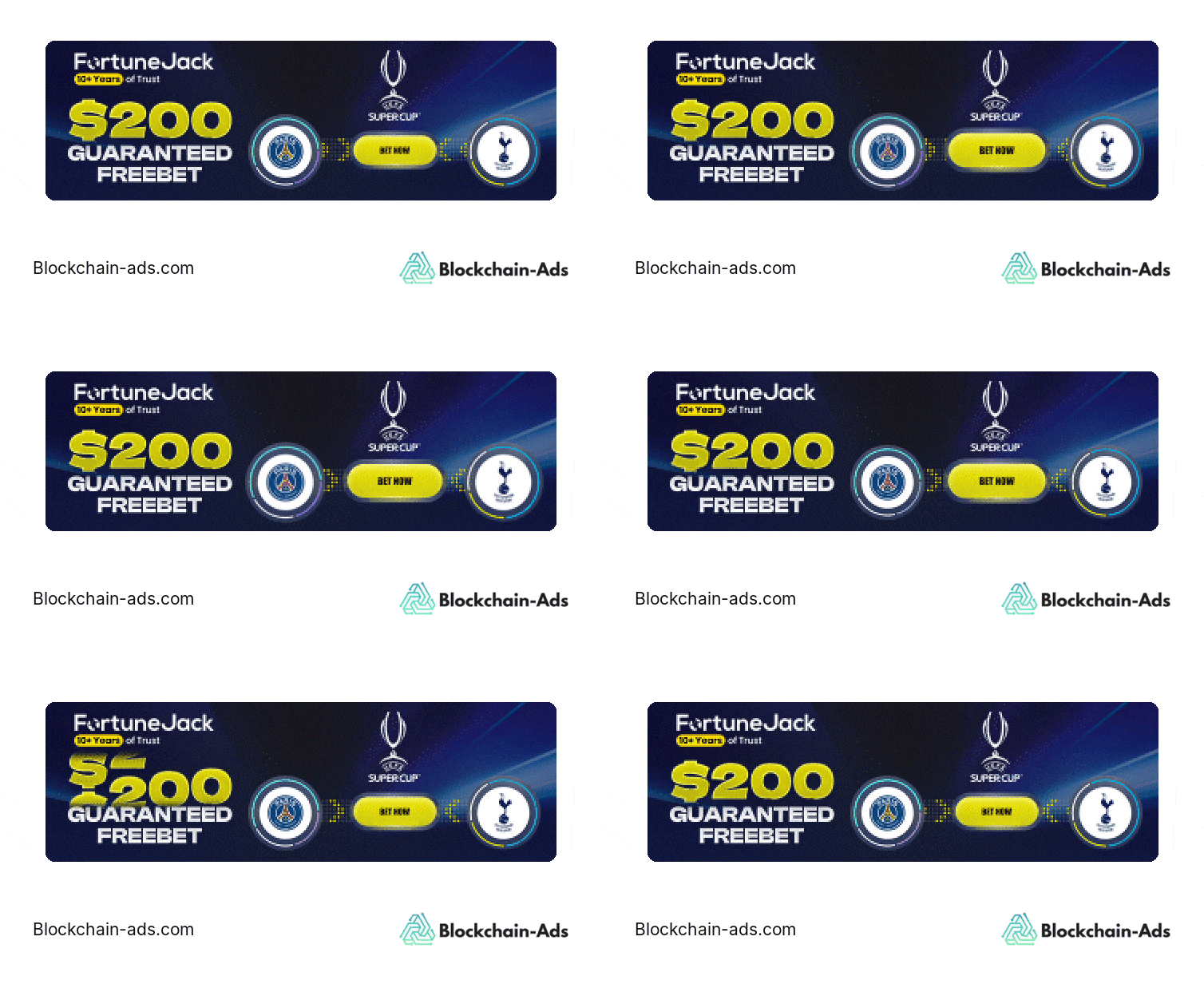
FortuneJack: mobile banner, 320×100, a free-bet offer paired with players from major football leagues keeps the incentive legible in a compact space.

Dafabet: animated iGaming banner, 320×100, a daily schedule gives a repeat-play reason.
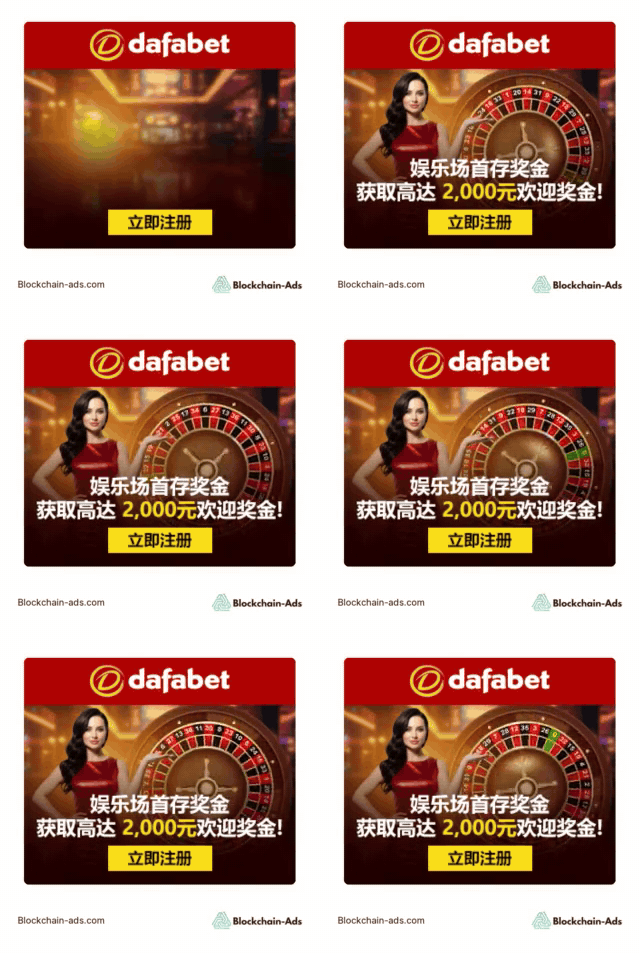
Dafabet: animated display, 300×250, a localized Chinese-language casino welcome message that makes the offer easier to recognize in a specific market.
Dafabet's campaign is also a reminder that the game-specific angle depends on true localization, adapting language, currency, and imagery to each market. The case study reports a 0.61% blended conversion rate across all markets and formats and a $1.48 blended CPC across 215,723 clicks.
4. iGaming Big Win Story Ads
Big-win iGaming ads borrow the emotional shorthand of a jackpot screen: a visible number, a player moment, and a clear route into the product. They work better when the headline remains believable and the offer is not mistaken for a guaranteed outcome.

XTP Casino: native-style image, 300×258, a reaction-led scene turns the reward into a story.

1win: display, 300×250, shows how a large amount comes first, while the smaller line states the deposit condition to unlock it.
XTP’s campaign reported 1,450 conversions and a 48% CPA reduction, while 1win reported 9,044 new players across its campaign.
5. Mobile and App Feature Ads for Online Casinos
Mobile online casino ads need to show why the app removes friction. This could mean offering a single place for games and sports or a quick route to an eligible offer. It could also be a product that’s usable on a small screen.
Look for the product detail in mobile casino ad examples like Cloudbet’s banner below: the phone screen shows players which games and sports they can access in the app.
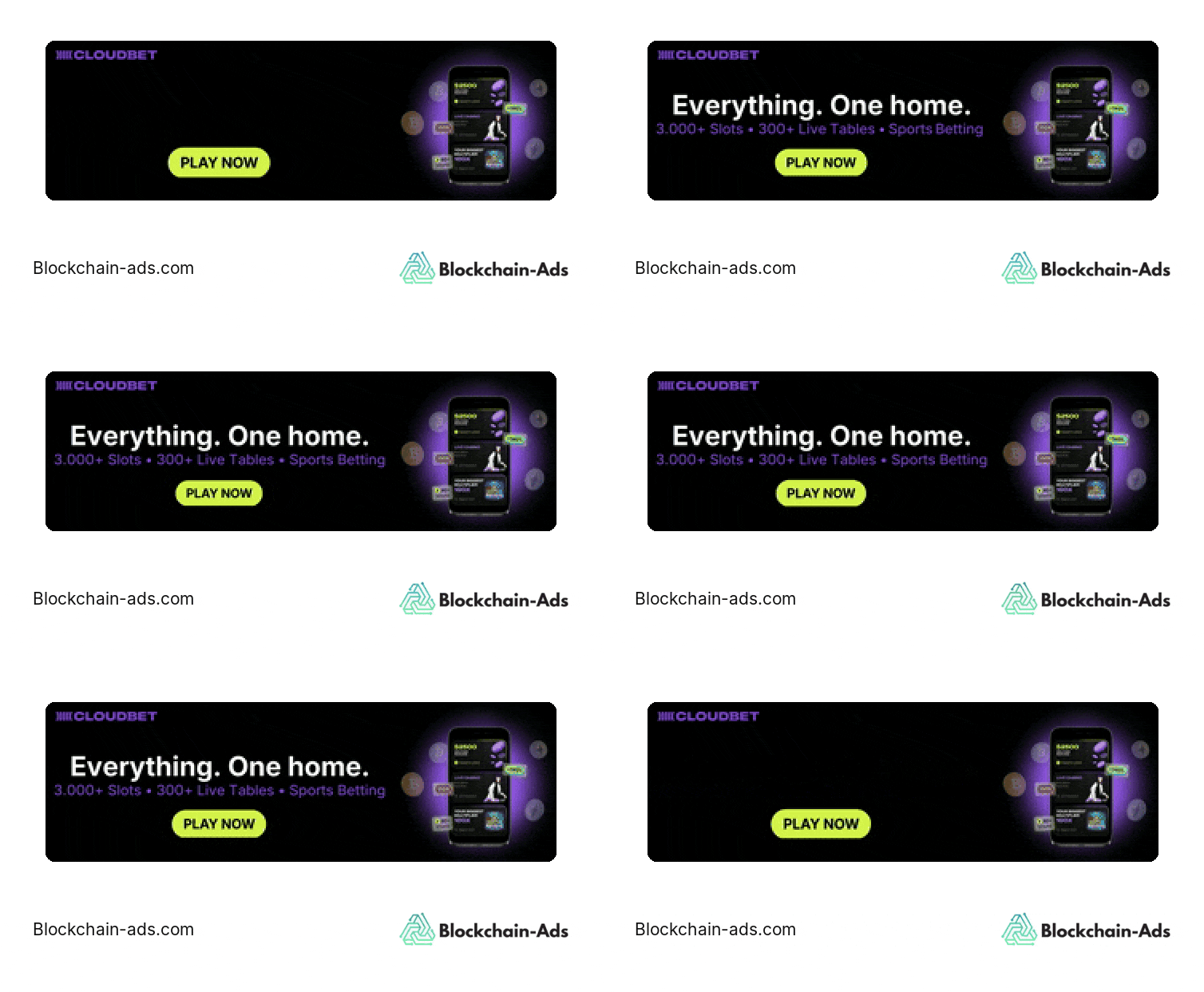
Cloudbet: animated mobile banner, 320×100, the phone UI carries the proof while the headline stays compact with 3,000+ slots, 300+ live tables, and sports betting.
Cloudbet's campaign delivered 36M+ impressions and a 133% CTR improvement across 12 markets, driving CPA down 65%. Its "Everything in one app" variant became the highest-converting creative of its phase. A product claim like this sells when the landing experience can deliver it.
6. VIP and Loyalty Reward Ads in Betting
Loyalty-led betting creative should give existing or high-intent players a reason to return without making the benefit impossible to understand. Cashback, recurring races, and clearly scoped rewards are easier to evaluate than a vague promise of VIP treatment.

XTP Casino: horizontal video, 976×304, a lively casino scene with centered loyalty rewards.
XTP Casino first tested an ad offering 20% weekly cashback. Its next creative led with a $100K daily jackpot and kept the same cashback offer.
7. Seasonal and Event-Based Theme Ads for iGaming
Seasonal iGaming ads work when the theme changes the creative without obscuring the offer. Local events, cultural motifs, and sport calendars can make an established bonus look newly relevant, but the localization must fit the market rather than becoming surface decoration.
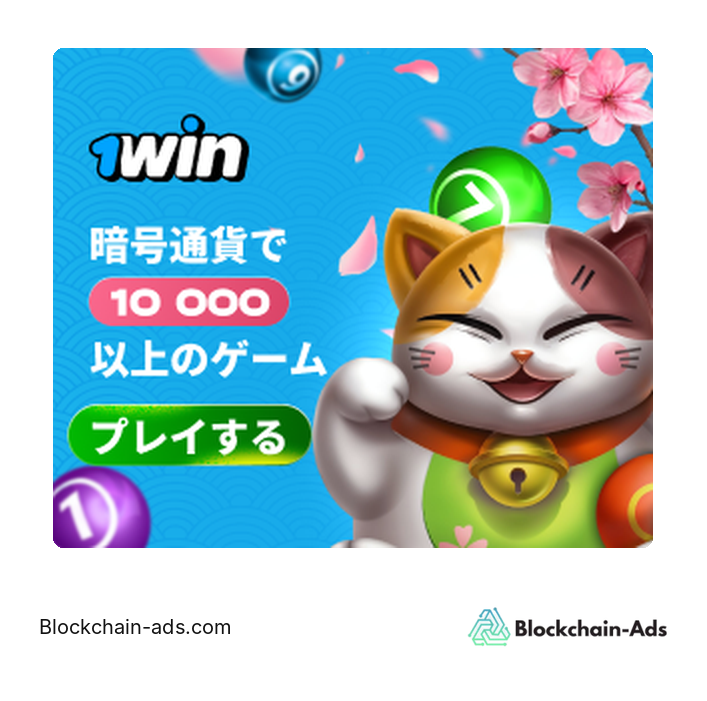
1win: display, 300×250, Japanese copy so the localization is visible before the player has to read the smaller supporting text.
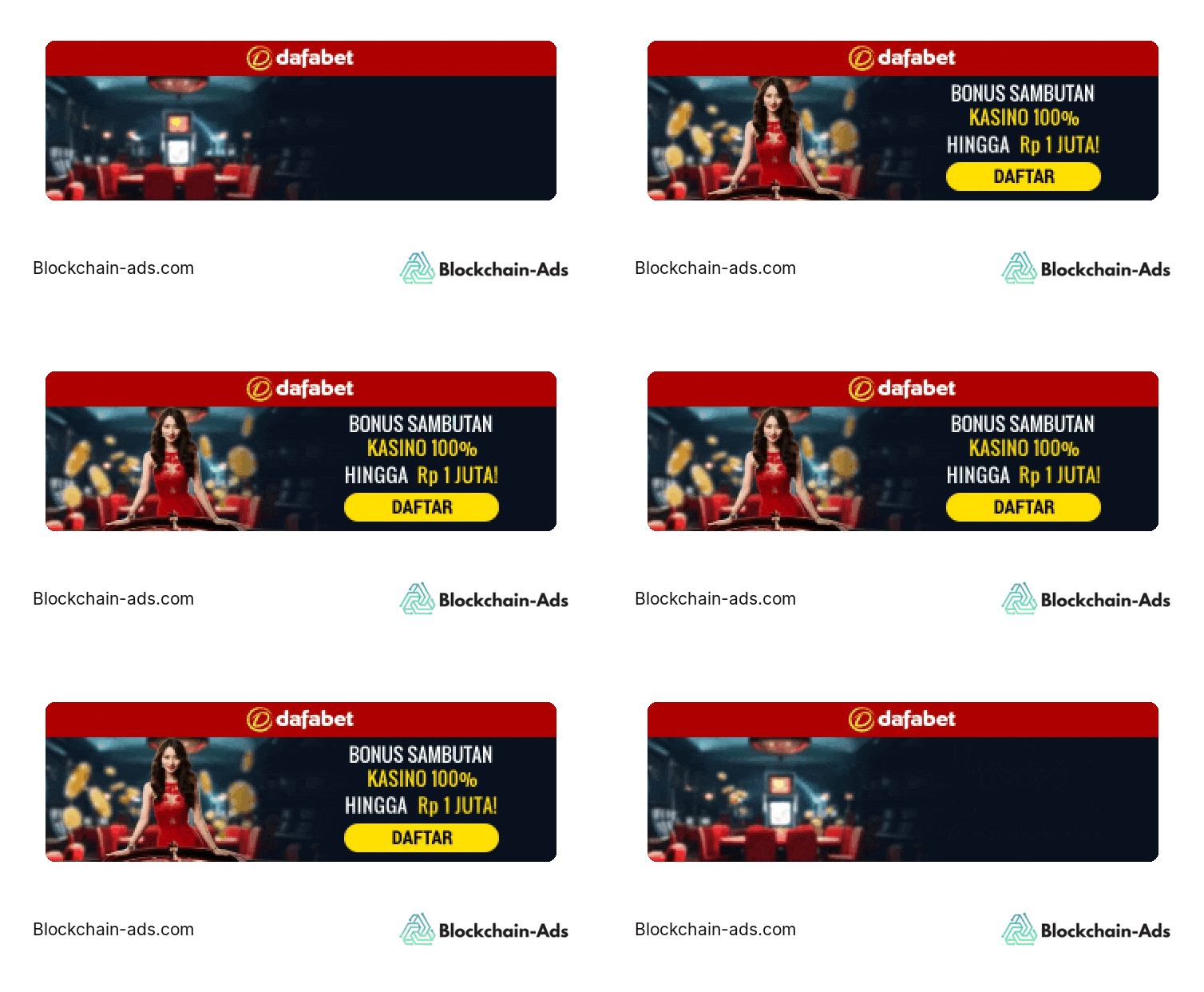
Dafabet: animated iGaming banner, 320×100, the Indonesian language, currency, and live-casino scene make the market fit naturally.
Both examples are more than translated English creatives. The offer, visual cue, and CTA all belong to the intended market, which is particularly important when iGaming campaign approval and available products differ by GEO.
8. Excitement and Thrill Ads for Online Casinos
Gambling ads built around excitement sell a feeling first: the game is active, the win is close, and the sports moment has pace.
This can be effective for awareness and consideration. Nonetheless, it still needs a real product point like games, odds, payment choice, or a defined offer, so the creative is not just bright noise.

Cloudbet: animated display, 300×250, a football action shot supplies movement, then the three-line copy explains the crypto-betting proposition.
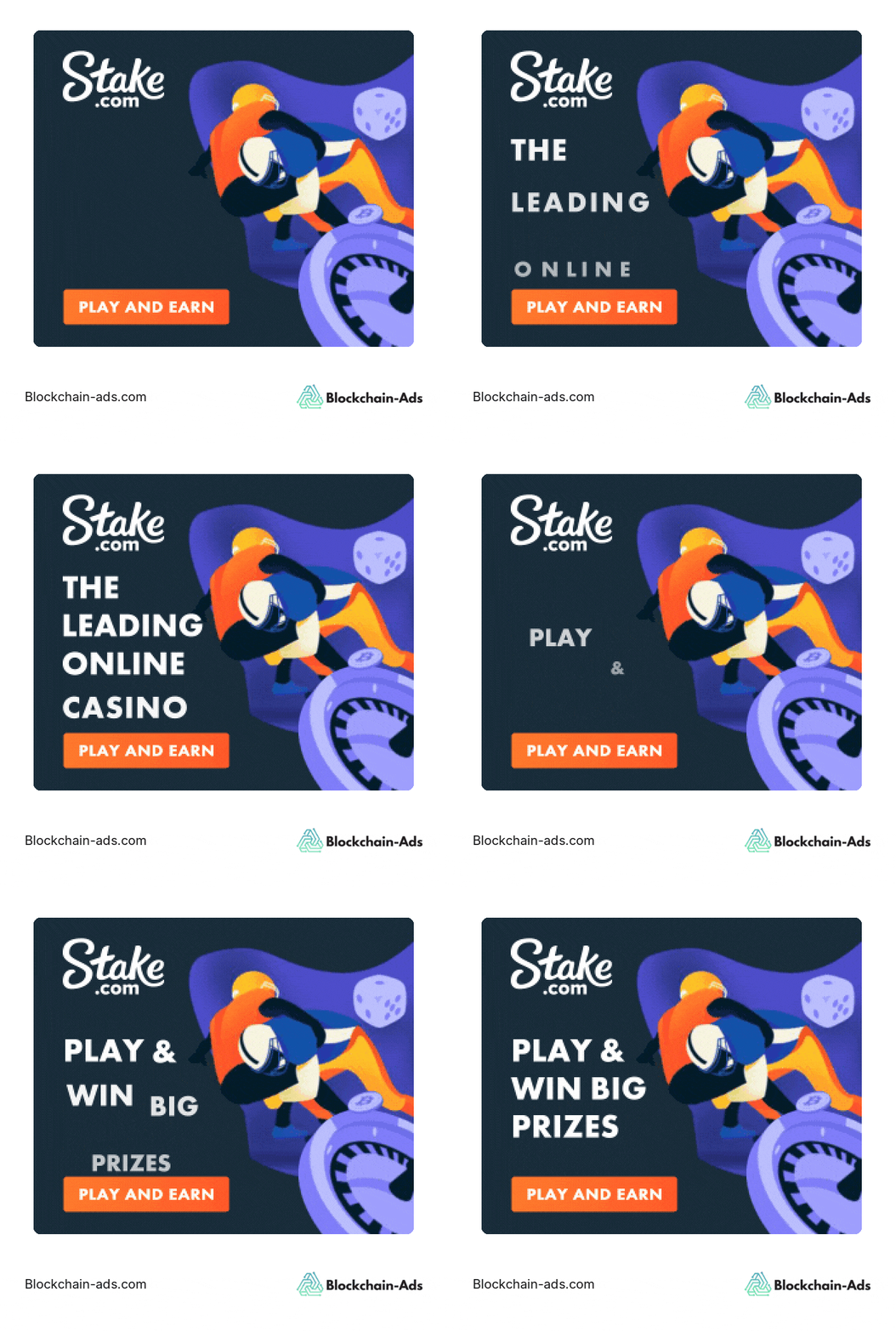
Stake.com: animated display, 300×250, the illustration keeps the tone energetic, while the orange CTA remains distinct from the background.
The distinction to retain is between showing excitement and implying certainty. A live event, reel movement, or celebratory visual can add energy, yet it should not suggest that a player will definitely win.
9. Skill and Strategy Ads in Betting
Skill- and strategy-led betting ads appeal to players who want to feel more informed, faster, or better equipped, not merely entertained.
A crash-game probability tool, odds explainer, or product feature can be a more credible native angle than another welcome bonus. This is especially so for audiences already familiar with the category.

Joe Fortune: display, 728×90, "Love Blackjack?" names the skill-based table game directly, giving strategy-minded players a reason to click that a generic pokies bonus wouldn't.

Lucky: animated display, 728×90, the question names a practical player frustration, then leaves room for the landing page to substantiate the alternative.
10. Gameplay Demonstration Ads for iGaming
Gameplay and slot ads should show enough of the experience to orient the player: a recognizable game type, a lobby, a wheel, reels, or a game catalogue. The ad does not need to imitate a full product demo, so a single category cue can be enough to qualify the click.

Stake.com: animated display, 300×250, casino games context before the message turns into a simple invitation with a bonus attached
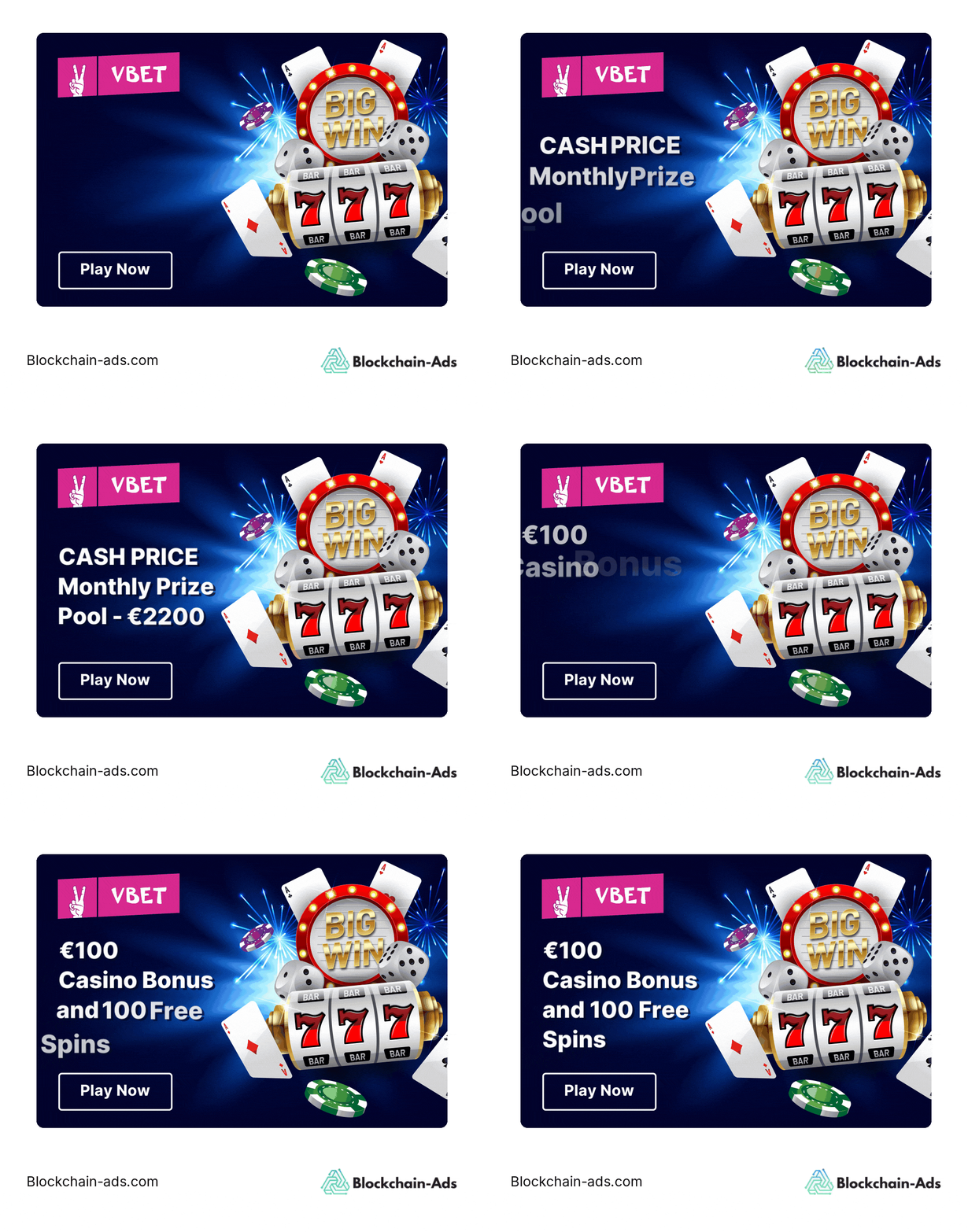
Vbet: display, 900×600, a "Big Win" slot-reel visual gives the €100 casino bonus, and 100 free spins offer an unmistakable gameplay cue.
Best Practices for Creating Effective Online Gambling and Casino Ads
These gambling ad examples share one pattern: they make one approved offer clear to eligible players, then keep the rest of the player journey consistent with it.
- Urgent offer: A dated promotion, a tournament, or a recurring daily reward can justify faster action, but false promises tend to damage trust and create avoidable review issues.
- Gamification: Wheels, prize pools, and races work when they explain the mechanism of the reward, not when they hide conditions behind animation.
- Social proof with evidence: A user count, payout record, or campaign result needs a source and should not be presented as a guarantee of an individual outcome.
- Localization: Currency, language, imagery, and offer context should make a casino ad feel appropriate to its GEO rather than merely translated for it.
- Pressing pain points: Naming a specific player frustration, like slow payouts or a clunky registration flow, can make a casino ad more relevant than a generic 'best casino' claim. The landing page must then deliver on that same pain point.
- Explaining unfamiliar products: If the ad promotes a mechanic or tool players may not know, such as an odds tool or a crypto deposit flow, explain it in the ad or on a pre-lander before asking for a deposit.
Ad Formats and Sizes That Work for iGaming
There are several advertising formats that are deemed suitable for iGaming promotion and casino ads in particular: display (banner), native, video, push, and pop.
The right format depends on how much context the message needs, whether the player is on mobile, and what the approved landing journey can support. Across Blockchain-Ads campaigns, 320×100, 728×90, and 300×250 have been the best-performing banner sizes, and creatives hold up best when refreshed about every 15 days.
The ad sizes shown throughout this article are the actual case-study creative dimensions, not a promise that the same inventory is available in every GEO. Check the network’s placements, verification requirements, and gambling policy before designing a format around it.
Best GEOs for iGaming Ads: Blockchain-Ads Data
There is no defensible single “best” GEO for every operator. License coverage, payment fit, language, competition, and player value matter more than a tier label.
The campaign notes below are useful because they show where advertisers chose to concentrate activity or localize creative; they are not country-by-country CPA league tables:
- 1win ran localized creatives across three markets in a campaign that reported 9,044 new players. Its Japanese variant used a lucky cat visual and a 10,000+ games angle, a cue a generic English-language ad would miss.
- Dafabet used local-language and market-specific creative, reporting 43M+ impressions and a 32% campaign-wide CPA reduction.
- XTP paused underperforming GEOs and moved budget to the markets that converted best, taking CPA from $412 down to $214.61 over the campaign.
- FortuneJack recorded a blended CTR of 0.39% across all formats in its acquisition campaign.
- Trust Dice ran a $25 first-deposit campaign that reported a final CPA of $67.87 after starting with $203 at launch.
Using Pre-Landers and Landing Pages for Gambling Ads
A pre-lander is an intermediate page between an ad and the operator’s landing page with the offer. It can explain an unfamiliar casino mechanic, introduce a game category, or verify click-through activity rate. It could also explain the offer better before the player reaches the final destination.
It is most useful when a short pop, push, or banner placement cannot responsibly carry the required context.
The pre-lander must not exaggerate what the landing page says, conceal conditions, or create a different offer journey. If the creative says ‘$25 first-deposit bonus,' the next page should repeat the same amount, qualification, and CTA, not swap it for a generic casino homepage.
For direct-response campaigns, there is also a valid case for avoiding an extra page. If the offer page already loads quickly, is appropriately localized, and explains its conditions, an unnecessary pre-lander merely adds an obstacle.
iGaming Ad Creatives FAQs
What Are the Best Casino Ads?
The best casino ads combine a precise proposition and an equally precise visual. Common practices that lift an iGaming ad's performance include making offers look urgent, thoroughly localizing copy, gamifying interaction, and addressing players' pain points directly.
The best angle and format still differ by offer and audience. The right message, format, and placement, paired with precise targeting, are what make the hook work.
Who Is the Target Audience of Gambling Offers?
The target audience is adults of legal gambling age in markets where the operator and campaign are permitted. There’s no universally right gambler profile. Targeting by usable intent or product signals, such as casino-player interest, sports-betting behavior, crypto-casino preference, or re-engagement eligibility, can bring those users to the surface.
On the Blockchain-Ads platform, audiences are divided into segments based on verified on-chain behavior, interest, and betting activity signals, covering casino players and bettors for appropriate products.
Which Ad Networks Are Best for Casino Offers?
Specialized, audience-based DSPs for iGaming, like Blockchain-Ads, are often the practical option because they combine gambling-appropriate inventory, GEO controls, and conversion measurement.
Compare formats, audience access, approval processes, verification demands, and the events they can optimize for before committing a budget. This breakdown of gambling ad networks is a useful starting point.
What Creatives Perform Best for iGaming?
There is no single creative that wins for every iGaming offer, audience, and market. The pattern that holds is one clear angle: bonus mechanics, a mobile product benefit, a market-specific proposition, or a payment pain point. Judge each creative on qualified registrations, deposits, and early player value, not clicks alone.
Which Visual Elements Make a Gambling Ad Stand Out?
Ads highlighting winning moments and game characters, using bright reward colors or high contrast around the CTA and a recognizable game or sport cue tend to stand out.
The secret here is flow: the player should recognize the brand, proposition, and required action in a second or two.
How Do Casinos Advertise Online?
Casinos advertise through display, native, video, push, pop, and other approved ad inventory provided by specialized iGaming ad platforms and programmatic DSPs like Blockchain-Ads.
They also work with affiliates, organic search, CRM, and product-owned channels. The channel mix usually changes by GEO, license, and product.
What Do Slot Ads Look Like?
Slot ads normally use a recognizable game cue like themed characters, coins, jackpot language, or a visible lobby, followed by one simple invitation. Because slots are a core casino product, slot ads are often localized for each market.
Dafabet’s Indonesian “Bonus Sambutan” banner and 1win’s Japanese catalogue creatives use language and cultural cues alongside the casino visual. Similarly, copy such as “Get 50 free spins every day” makes the value clear at first glance.
Can You Create Gambling Ads with AI?
AI can help generate approved variants, adapt layouts, and test asset combinations, but for gambling ads it does not remove the need for human oversight. Tools such as Flux Campaigns by Blockchain-Ads can make pre-approved creative more responsive at the moment of impression. However, claims and destinations still need human, legal, and market review.
What Makes a Gambling Ad Effective?
An effective gambling ad gives an eligible player one truthful reason to click, makes that reason readable in the chosen format, and sends them to a page that proves the same claim. Ads with colorful designs, familiar gambling-related elements, highlighted rewards, and hooks that address player pain points or preferences outperform generic copy.
What Are Good Casino Advertising Examples?
The ten categories above include casino advertising examples such as Fairspin’s bonus wheel, Cloudbet’s app banner, and XTP’s cashback ad. Each shows a different way to make the offer or product visible before the click.
Freelance content writer/editor for B2B SaaS, AI, technology, partnerships brands.
View full profile →