Drive sign-ups and deposits for your exchange, wallet, or payment platform.

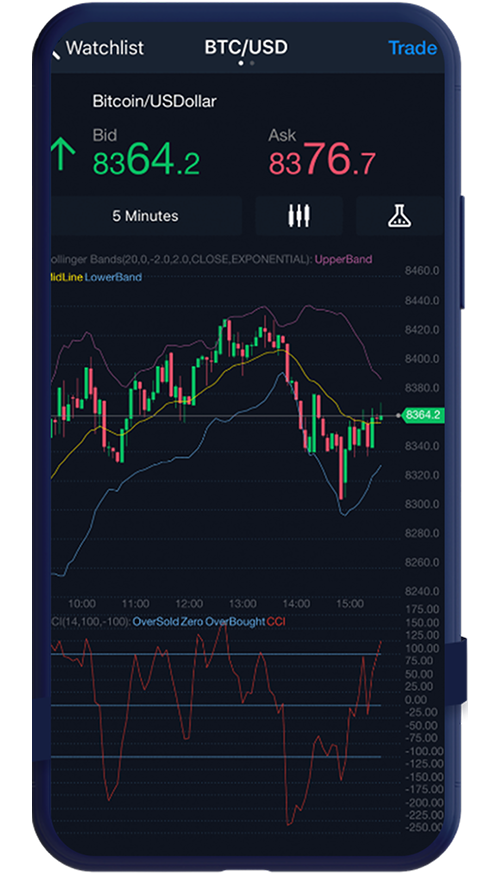
Activate audiences of wallets with real trading activity: token swaps, exchange transfers, and DeFi transactions across 82 blockchains.
Build campaigns around wallets holding specific tokens, with portfolio sizes that fit your offer.
Prioritize users who stake, lend, and interact with smart contracts and DeFi protocols.
Engage users active across exchange, wallet, and trading apps when that audience fits your offer.
Introduce your brand to people whose crypto, DeFi, or Web3 behavior matches your offer. Use display, video, native, and CTV campaigns to build familiarity before sign up or trading.

Reach crypto and blockchain audiences based on their behavior, then optimize campaigns toward account registrations and first-time deposits.

Bring registered or previously active traders back with retargeting campaigns aimed at repeat deposits, higher trading volume, and longer-term revenue.
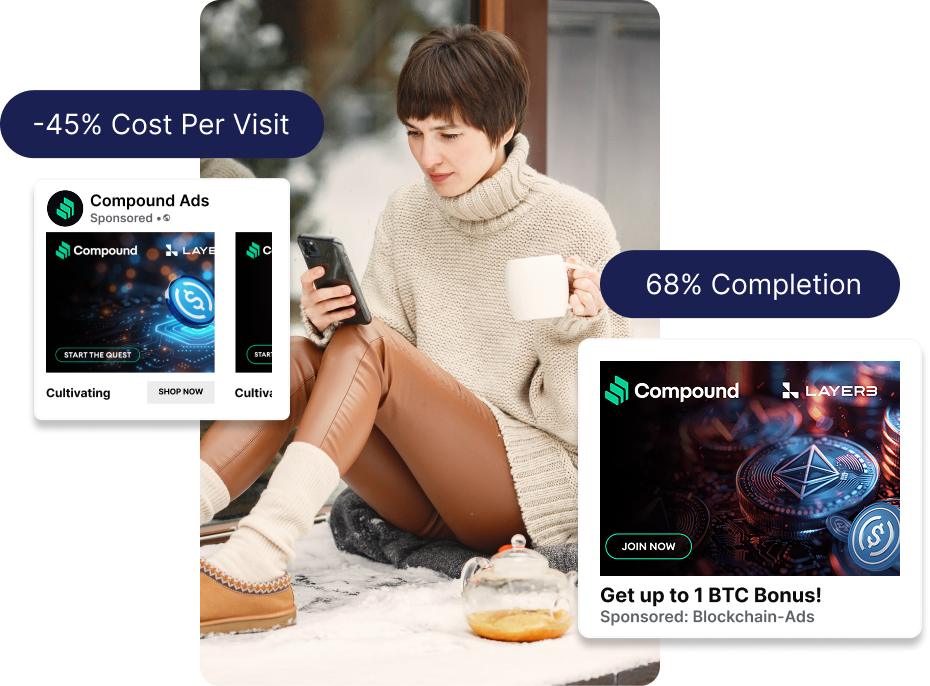
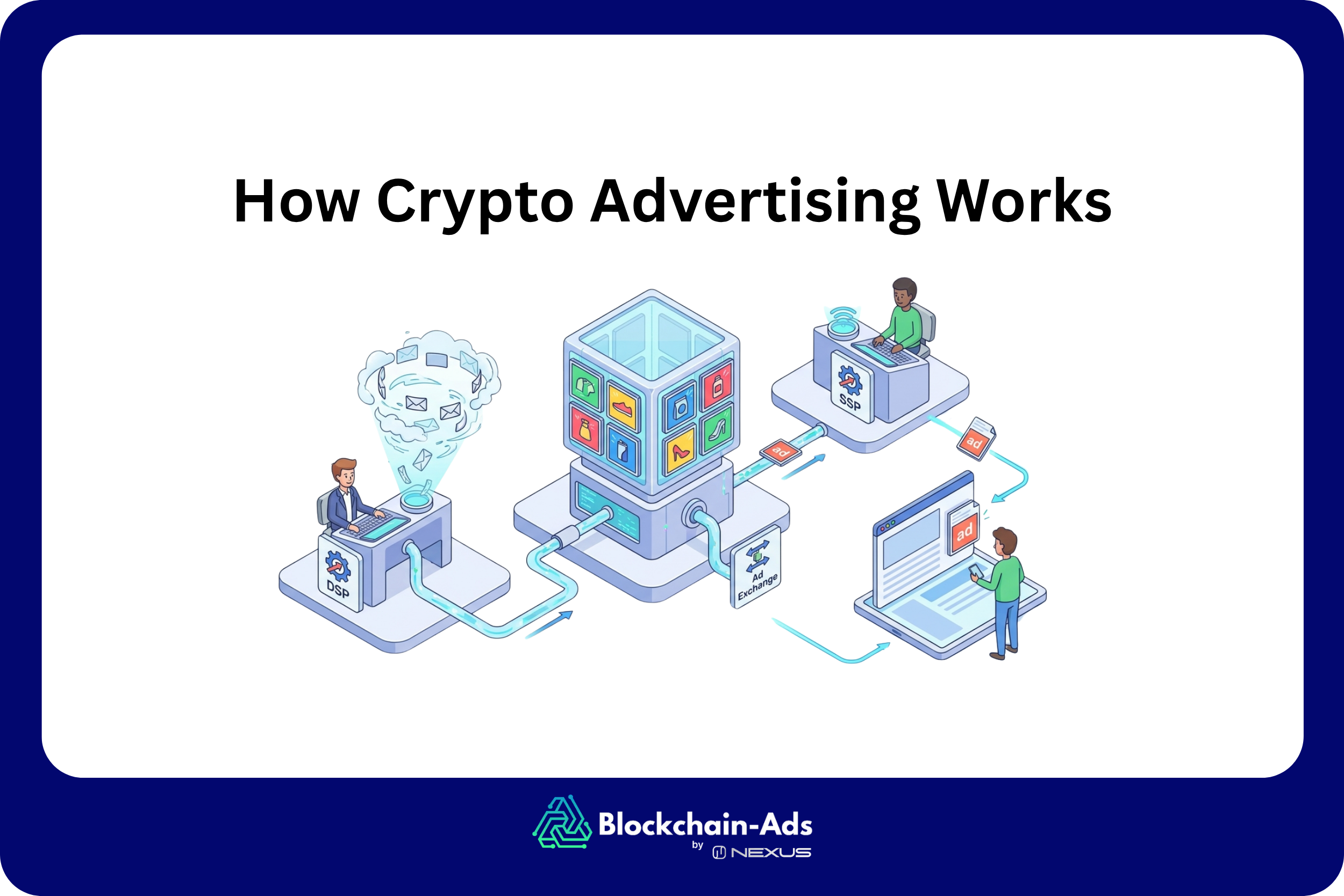
Blockchain-Ads reads on-chain activity across 11M+ wallets and 82 chains, builds it into audiences, and serves your ads to those users across the NEXUS Ad Exchange.
Pick the chains your traders are active on, from Ethereum and Solana to Base and Arbitrum. Wallets transacting on a chain already hold assets there and know how to move them.
Filter by portfolio value, from under $500 to over $5M, and by habit, from new wallets to frequent traders and whales. Balance and trading frequency show who can fund a real first deposit.
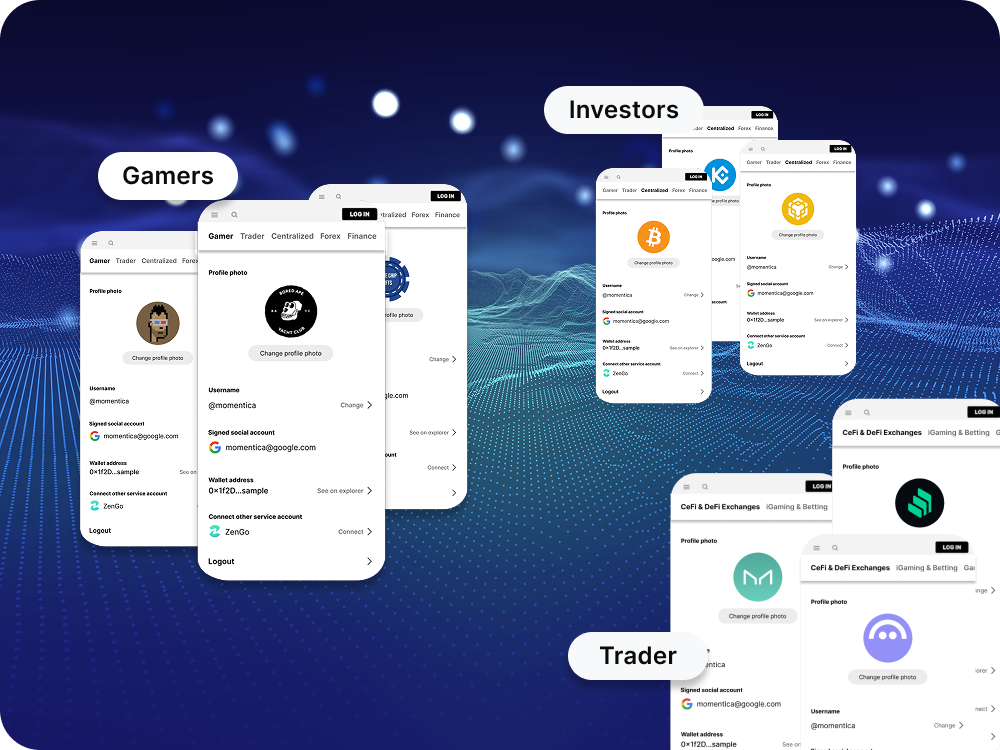
Drop in any contract address and reach the wallets that use it, including your competitors'. Contract history is proof they already trade, stake, or swap on-chain.
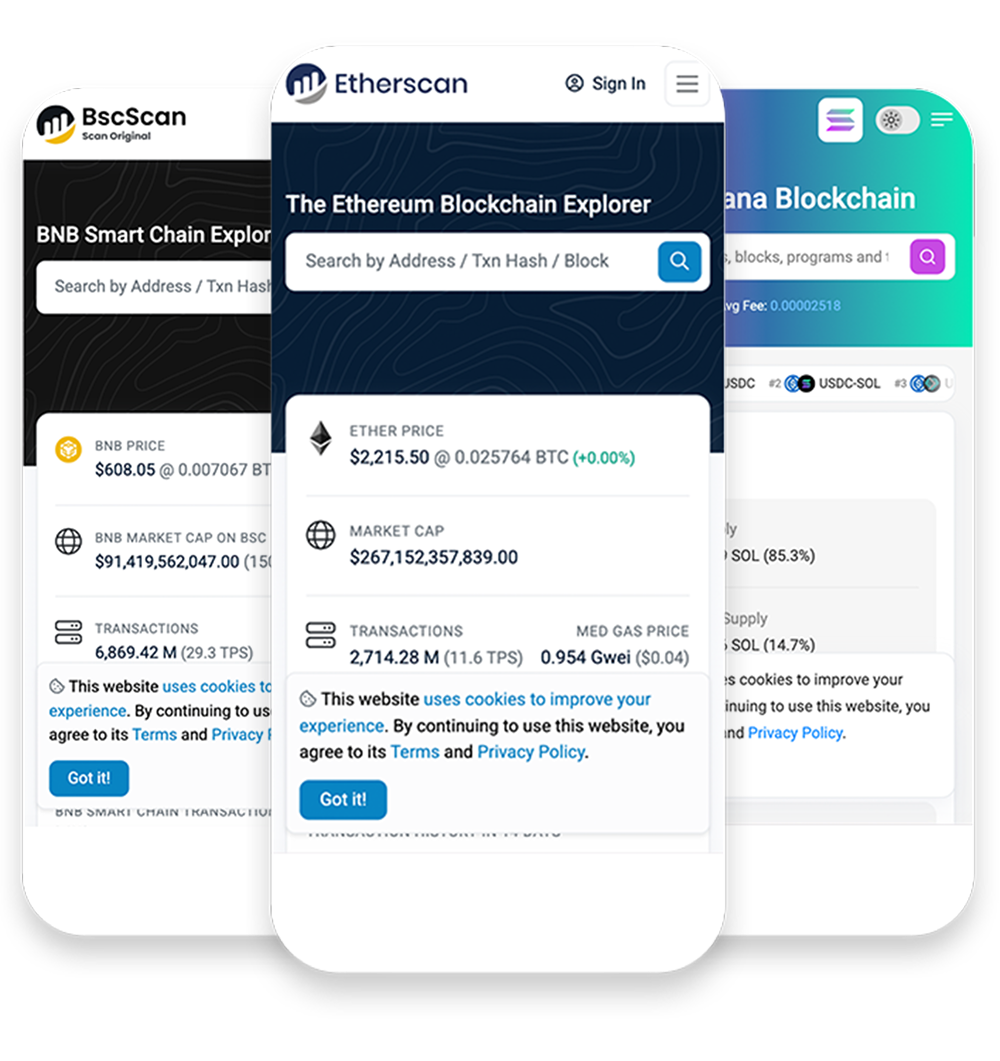
Put your exchange or wallet in front of people who trade and hold crypto, across the market news and crypto sites and apps they use daily.
Deliver your exchange or wallet offer to audiences built from on-chain behavior, wherever they already are, in a format that matches the site or app around them.
Introduce your exchange or wallet with short-form and in-stream video to people choosing where to trade next.
Reach mobile users based on their trading, wallet activity, and on-chain behavior.
Build awareness with high-attention crypto audiences on connected TV.
Blockchain-Ads delivers targeted crypto advertising with massive reach powered by end-to-end attribution and fully managed service.
Show your brand to people based on their interests and behavior. Reach audiences that have already interacted, engaged, or converted.
We collect 4 billion signals a day, across people's interests and behavior, and turn them into precise audiences of real users.

The platform provides full attribution and tracking, which enables algorithmic, conversion-based optimization.
You get full visibility into who visits, signs up, or purchases on your website or app, and can optimize campaigns in real time based on user actions and device behavior.

Get assistance from a professional media buying team that actively manages campaigns within your specific niche.
They handle your campaigns end to end from attribution setup, campaign structure, media plans, audience selection, and ad creative production to ongoing optimization and scaling.

Each goal needs a different campaign setup, with its own structure, targeting, optimization, and scaling cadence.
Awareness campaigns get your crypto brand in front of people who have never heard about your exchange or wallet and already trade tokens, hold assets on-chain, and follow the market. They run across display, native, video, and CTV, reaching users whose on-chain behavior and trading interest are ideal for your offer and will be your ideal customers.
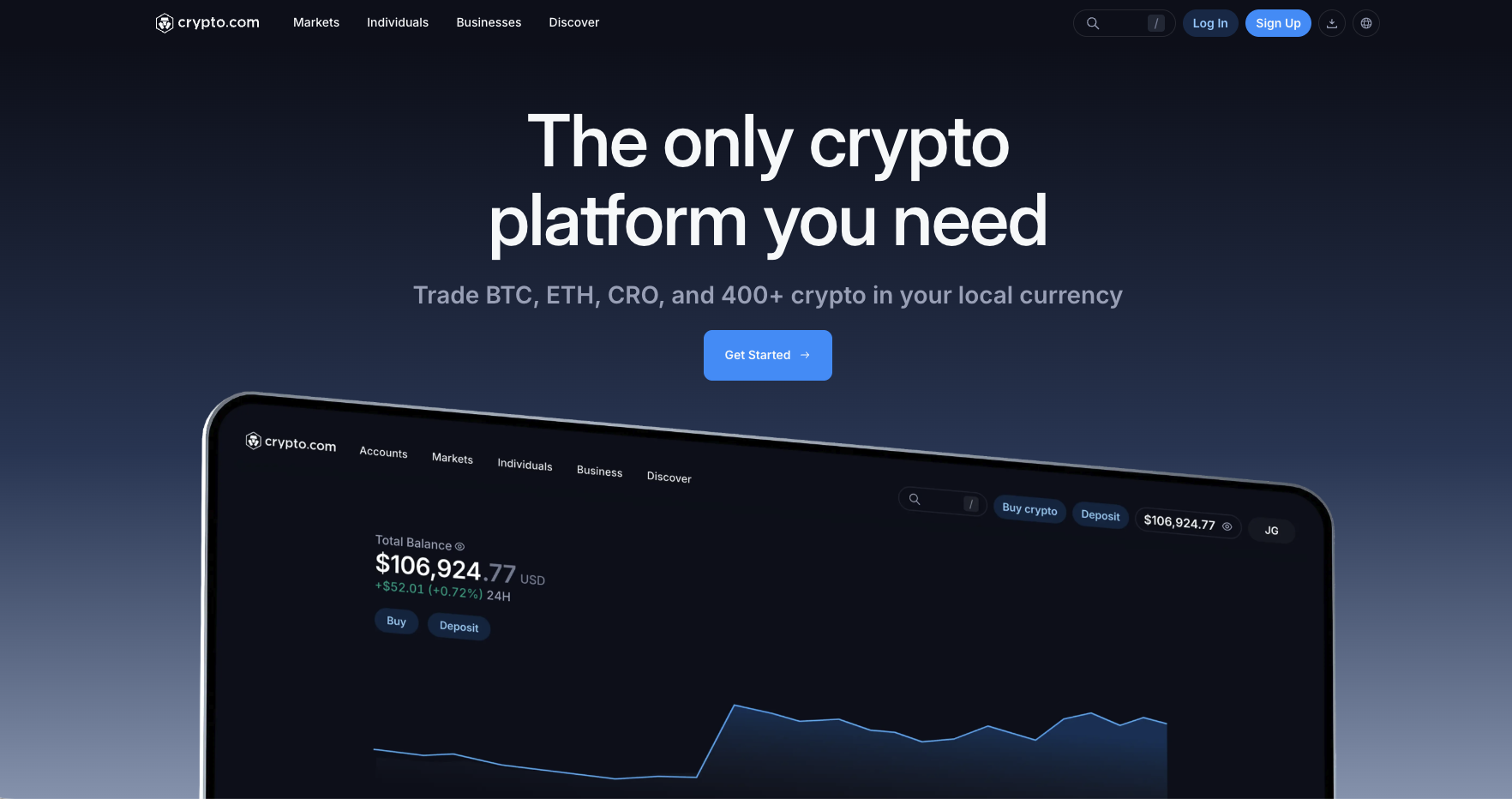
An awareness campaign put the Crypto.com brand in front of crypto users more than 8 million times.
Engagement campaigns bring back users who already know your exchange and are ready to open an account. They reach users who visited your site or connected a wallet and guide them to sign up and complete KYC.
For OKX, an engagement campaign drove 3,095 verified sign-ups.
Conversion campaigns put your budget on the users most likely to deposit and trade. They optimize toward first deposits and trading volume, and move spend into the audiences and markets that produce active traders.
For Coinbase, a conversion campaign acquired 31,896 new traders and $8.13 million in trading volume across Southeast Asia.
Explore crypto campaigns with the acquisition metrics behind each result.


How Binance Acquired 4,600 Verified New Traders at $91 CPA with Blockchain-Ads
Display
View Case Study.avif)

How Coinbase Acquired 31,896 New Traders Across Southeast Asia with Blockchain-Ads
Native
View Case Study.avif)

How OKX Acquired 3,095 New Traders and Generated $5.16M Trading Volume with Blockchain-Ads
Paid Display
View Case Study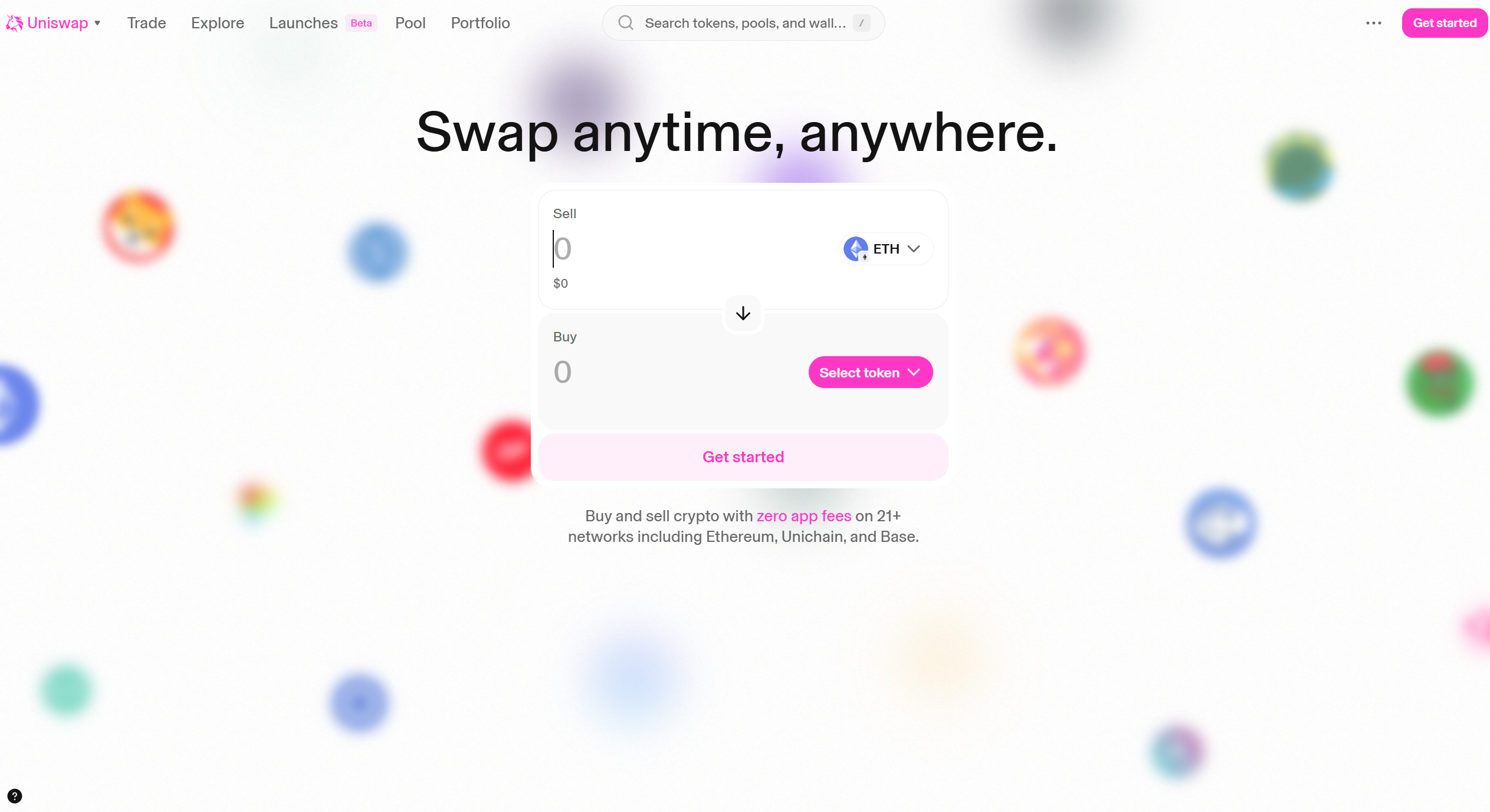

How Uniswap-Saga Reached 250M+ Readers in 48 Hours for Its Mainnet 2.0 Launch with Blockchain-Ads
Press Release Publication
View Case Study.avif)

How Crypto.com Acquired 4,782 High-Value Traders with Blockchain-Ads
Display Ads, Pop Ads
View Case Study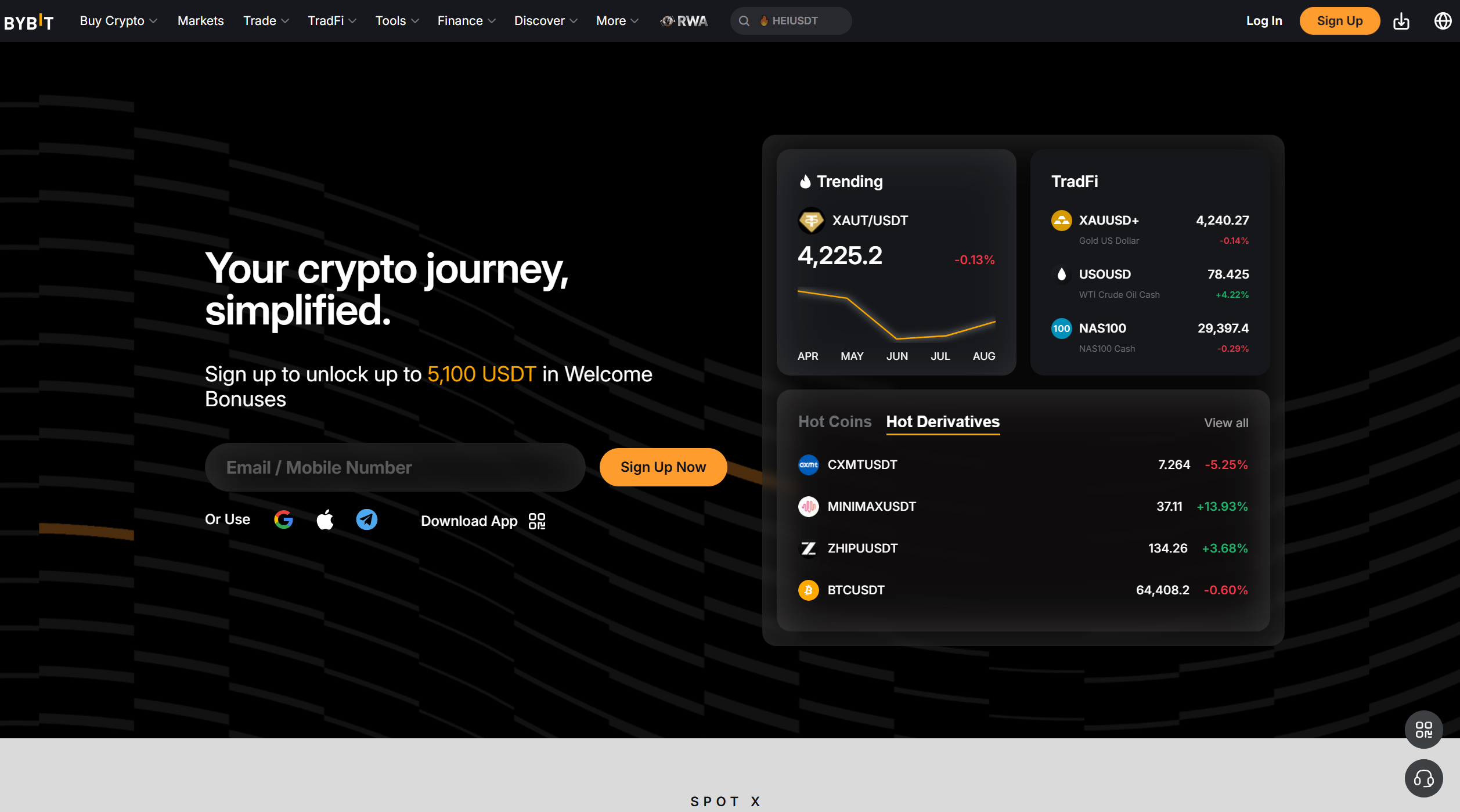

How Bybit Achieved 401% Increase in Sign Ups While Lowering CPA by 56% using Blockchain-Ads
Video ads, Display ads
View Case Study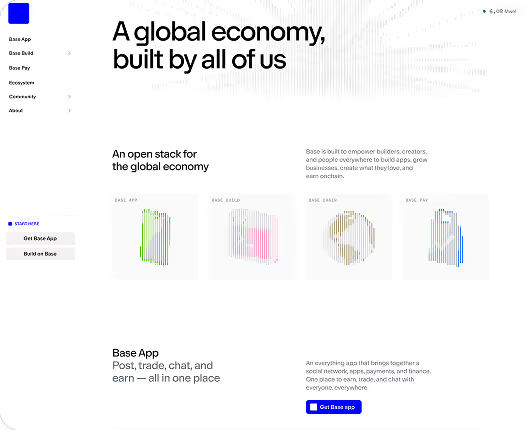
Access is available to qualified advertisers only. Compliance checks and budget thresholds are mandatory.
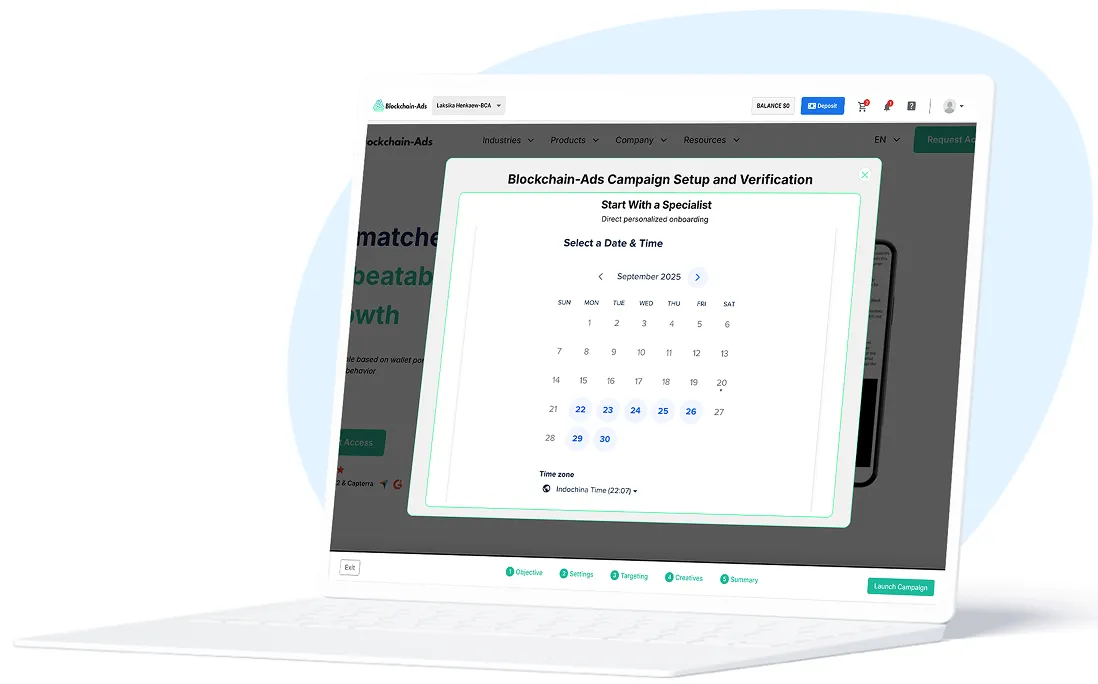
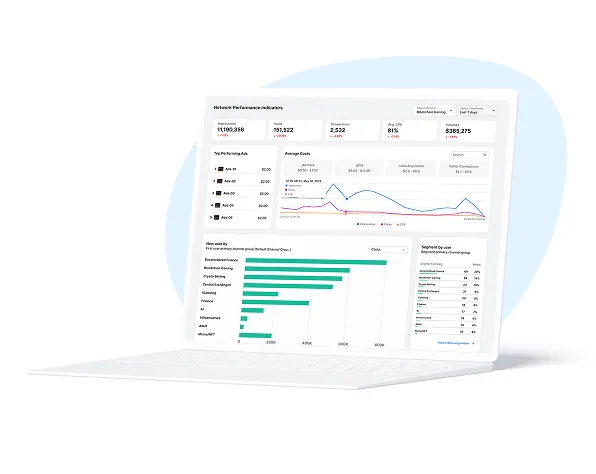
Scale your campaigns using NEXUS Ad Exchange inventory and reach, to hit your campaign goals.
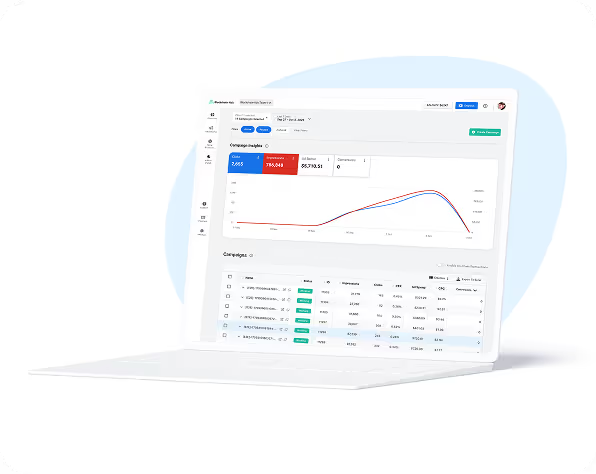
Blockchain-Ads is a crypto advertising platform built on audience-based targeting. It enables crypto and blockchain companies, from the biggest exchanges to leading L1s and DeFi protocols, to reach their exact ideal users through on-chain, behavioral, and interest data, and continuously optimizes every campaign toward sign-ups, deposits, and trading volume.
How it works: its own data management platform (DMP) turns 4 billion signals a day into precise audiences of real users, and the platform buys across hundreds of thousands of websites, apps, and platforms worldwide.
Crypto and blockchain companies running large-scale user acquisition: the biggest exchanges, leading L1s, DeFi protocols, wallets, and payment platforms, plus the marketing agencies and affiliates that serve them. Coinbase, Binance, OKX, and Crypto.com all run campaigns documented in public case studies. Access is limited to advertisers who pass qualification.
Only with heavy restrictions. The mainstream platforms limit crypto advertising to narrow certifications and geographies, and campaigns still get disapproved, throttled, or banned without warning. Blockchain-Ads is built specifically for crypto, giving advertisers compliant reach and precise targeting that those platforms do not offer.
Blockchain-Ads builds audiences in its own data management platform: a system that collects 4 billion signals a day on people's interests, behavior, and actions, and turns them into precise audiences of real users. Targeting works on two layers: an interest graph (what users are genuinely interested in, from trading to DeFi) and behavioral and intent (what they browse and do). Wallet targeting sits within the behavioral layer. Its signals come from blockchain behavior and on-chain activity, such as transaction history, token holdings, and protocol usage.
Wallet targeting builds audiences from real on-chain activity: the assets people hold, the chains they transact on, and the protocols they use. Blockchain-Ads screens 11M+ active wallets across 82 blockchains and turns that activity into audiences of genuine, high-intent crypto users, from active traders to DeFi participants.
Campaigns run across display, native, video, in-app, and connected TV (CTV). Ads reach users through the NEXUS ecosystem and its top 78 supply partners, across hundreds of thousands of websites, apps, and platforms worldwide.
Every campaign is tracked with full attribution, from impression to sign-up, deposit, and trading volume. An algorithm continuously optimizes toward the advertiser's goal using live performance data. Blockchain-Ads serves 1.2 billion ads a day and adjusts targeting, budget, and delivery in real time based on what is actually converting into active users.
Results are documented in public case studies. Coinbase acquired 31,896 new traders across Southeast Asia, OKX generated $5.16M in trading volume from 3,095 new traders, and Crypto.com drove $12.8M in trading volume from 4,782 high-value traders. Outcomes vary by offer, GEO, and budget, but the platform is built and measured for user acquisition at scale.
Access is by application. Your crypto brand requests access and goes through qualification, screened on budget, brand credibility, and compliance, followed by a verification call. Exchanges, wallets, and protocols that qualify launch with the team that has run campaigns for Coinbase, Binance, and OKX.
Blockchain-Ads is a premium platform, and one of the most expensive in its space. Platform access starts with a $10,000 minimum deposit, and managed service requires a minimum monthly ad spend of $30,000. Advertisers spend around $135K per month on average, with the highest spenders allocating $1M. It is built for advertisers ready to spend at scale.
Yes. Blockchain-Ads is the flagship brand of BCA Group, founded in 2021, and runs campaigns for Coinbase, Binance, OKX, Crypto.com, and Gemini. Advertiser qualification and independent verification by DoubleVerify keep traffic quality high, so campaigns reach genuine crypto users with verified activity.
Blockchain-Ads is built primarily for brands and businesses in the crypto industry, where the platform is strongest and best known. The same audience-based targeting delivers the same high performance for iGaming and finance brands, which it serves as its other two core verticals.
Access is limited to qualified advertisers.