What is Crypto Advertising and How Does it Work?
Crypto advertising refers to the promotion of blockchain-related products, services, or communities through digital ad channels that are designed for Web3 audiences.
This includes campaigns for:
- Cryptocurrency exchanges
- DeFi protocols
- Wallet apps
- Crypto education platforms
- Token launches and community growth
At its core, cryptocurrency advertising works similarly to traditional online advertising: advertisers pay to reach users through ads placed on websites, apps, social platforms, newsletters, or communities.
The difference is in the infrastructure and targeting. Traditional ad platforms mostly rely on browser cookies, app activity, and demographic data.
Crypto ad tech introduces:
- Wallet ownership
- On-chain transaction behavior
- Token holdings
- NFT ownership
- DeFi participation
- Blockchain ecosystem activity
For example: a Web3 gaming project might want to advertise only to wallets that previously interacted with gaming NFTs or users who frequently transact on a specific blockchain.
Crypto-native advertising platforms like Blockchain-Ads make that possible.
The industry also operates under much stricter platform policies. Many mainstream advertising networks still limit or heavily regulate cryptocurrency advertising due to financial compliance concerns, which is why specialized crypto ad networks have become increasingly important.
Understanding the crypto advertising ecosystem
The crypto advertising ecosystem includes crypto-native ad networks, mainstream platforms with crypto policies, influencers, and attribution tools, all of which help advertisers track performance.
Each channel serves a different role depending on campaign goals, budget, and audience sophistication.
Crypto-native ad networks
Crypto-native ad networks are platforms specifically designed to connect crypto advertisers with publishers and Web3 audiences.
These networks provide:
- Crypto-focused publisher inventory
- Wallet-based audience targeting
- Blockchain-aware attribution
- Compliance screening
- Programmatic campaign management
Instead of targeting users solely by age or interests, crypto ad networks can segment audiences based on blockchain activity.
For example, an advertiser using Blockchain-Ads can define audiences based on:
- Wallet holdings and balance
- Chain activity
- Token interactions
- Historical on-chain behavior

In short: this changes how audience targeting works compared to more traditional advertising systems.
Crypto ad networks also simplify media buying by aggregating inventory across crypto publishers, apps, and websites into one campaign dashboard. The result is that advertisers can launch campaigns programmatically across multiple placements.
For many startups, companies, and projects, Blockchain-Ads and other crypto ad networks become the primary acquisition channel because they understand the unique compliance and attribution requirements of Web3.
Mainstream platforms with crypto programs
Mainstream ad platforms still play a major role in cryptocurrency advertising, but they operate under stricter approval systems.
Platforms like:
- Meta
- Twitter/X
These allow certain crypto-related campaigns under specific certification (or licensing requirements.)
Policies typically vary based on:
- The country
- Financial regulations
- Product category
- The licensing status
- Whether the campaign promotes trading, wallets, exchanges, or education
For example:
- Some jurisdictions allow exchange advertising with certification
- Certain DeFi products face restrictions
- Token sales are often prohibited
- Yield or investment claims usually trigger policy reviews
Advertisers often use mainstream platforms for awareness campaigns while relying on crypto-native networks for more advanced targeting and conversion-tracking.
Direct placements
Direct placements involve buying ad inventory directly from crypto publishers, newsletters, and brands.
Common examples look like:
- Sponsored articles
- Homepage banner placements
- Newsletter sponsorships
- Podcast sponsorships
- Telegram community promotions
- Exchange homepage takeovers
The approach gives advertisers greater control over brand placement and audience alignment.
A DeFi protocol, for instance, might sponsor a major crypto newsletter read by active traders, while an NFT project could purchase homepage placements on a marketplace (or gaming site.)
Direct placements can deliver strong brand visibility, but they often require manual negotiations, separate tracking setups, and higher upfront costs compared to more programmatic crypto ad networks.
The main crypto ads formats
Crypto advertising uses many of the same formats as traditional digital marketing, but they are often adapted for Web3 audiences and crypto-native user behaviour.
Banner ads
Banner ads are display ads shown across websites and apps. In crypto advertising, these campaigns look like:
- Token launches
- Exchange promotions
- Wallet installs
- Event announcements
- Brand awareness campaigns

Platforms like Blockchain-Ads support banner placements across crypto publisher inventory with audience targeting layered on top of those placements.
Every impression is served to a verified audience that traditional ad networks can't reach.
Native ads
Native ads blend into the surrounding content experience instead of appearing as traditional display banners.
These are used for educational campaigns because ad-savvy crypto audiences tend to respond better to contextual, informative content than more aggressive sales messaging.
Native cryptocurrency advertising appears on:
- News feeds
- Recommendation widgets
- Sponsored content sections
- Editorial placements

In short, native advertising matches the look and feel of the publisher's content, bypassing blockers, banner blindness, and the instinct to scroll past.
Push ads
Push advertising delivers notifications directly to users who have opted in through browsers and apps.
Crypto projects frequently use push campaigns for:
- Token launch reminders
- Airdrop announcements
- Exchange listings
- Time-sensitive campaigns
Push ads are generally lower-cost than premium placements, though quality varies significantly depending on the traffic source.
For time-sensitive offers across crypto, iGaming, and finance, no format delivers urgency better.
Programmatic advertising
Programmatic advertising automates ad buying through bidding systems and audience targeting algorithms. This is where modern crypto ad tech becomes especially important.
Programmatic crypto advertising platforms allow you to:
- Define wallet-based audiences
- Optimize campaigns automatically
- Scale across multiple publishers
- Track conversions dynamically
- Adjust bids based on performance
Blockchain-Ads and some other crypto-native networks now operate similarly to mainstream programmatic systems but include blockchain-aware targeting layers.
Sponsored content
Sponsored content includes long-form educational (or promotional placements) published by crypto media outlets.
The format is used for:
- Protocol explainers
- Product launches
- Research reports
- Ecosystem announcements
Sponsored content works especially well in crypto because audiences frequently research projects before engaging.
Influencer placements
Influencer marketing remains one of the largest channels in crypto advertising.
Most crypto influencer campaigns happen on:
- Twitter/X
- Telegram
- YouTube
- TikTok
These campaigns range from simple sponsored posts to creator partnerships and full-on launch collaborations.
Influencer placements often perform best when creators already have credibility within a specific ecosystem or niche.
How crypto advertising campaigns get built
Crypto advertising campaigns follow many of the same steps as traditional digital campaigns, but with additional layers tied to blockchain activity, compliance requirements, and Web3 attribution.
A typical campaign includes four key components: audience definition, creative development, crypto-specific targeting, and performance measurement.
Audience definition
Audience targeting is one of the biggest differences between traditional advertising and crypto advertising.
In traditional digital marketing, advertisers usually target users based on:
- Demographics
- Interests
- Website behavior
- Search intent
- Device usage
Crypto advertising adds another layer: wallet-based intelligence.
This allows advertisers to build audiences using actual blockchain activity instead of relying on inferred interests.
For example, Blockchain-Ads allows advertisers to segment audiences through:
- On-chain token holdings
- Wallet balances
- NFT ownership
- DeFi activity
- Chain usage
- Trading behavior
Creative considerations
Crypto ad creatives operate under stricter standards than many other industries because financial products face extra scrutiny from advertising platforms and regulators.
Most advertising platforms prohibit or restrict:
- Guaranteed profit claims
- Misleading investment language
- Unrealistic APY messaging
- “Get rich quick” framing
- Unverified financial promises
As a result, successful crypto advertising focuses on product utility, security, and overall transparency.
Trust signals are especially important in Web3 because users are cautious about scams, “rug pulls,” and fraudulent projects.
Strong crypto creatives often include audited security references, clear product explanations, transparent token utility, and professional branding.
Platforms like Blockchain-Ads can also review campaigns against publisher and compliance requirements well before launch, helping advertisers reduce approval issues and policy violations.
Targeting options unique to crypto
Crypto advertising introduces targeting capabilities that simply don’t exist in traditional ad ecosystems. Generally speaking, there are three major audience targeting models:
- Wallet-based targeting focuses on blockchain data tied to wallets. Advertisers can target users who hold specific assets, interact with certain protocols, or participate in particular ecosystems.
- Interest-based targeting works similarly to traditional advertising and uses browsing behavior, content engagement, search activity, or platform interests to identify relevant users.
- Behavioral targeting combines user actions over time, such as trading frequency, protocol usage, staking activity, app engagement, or cross-chain interactions.
The most effective is the wallet-based targeting first created by Blockchain-Ads and its now the industry standard for reaching new audiences.
Using Blockchain-Ads, advertisers can combine multiple on-chain signals together to create specific audience segments based on wallet history and blockchain behavior.
Overall, this creates a more precise targeting model than traditional advertising because it reflects actual user participation in crypto ecosystems.
Measurement and attribution
Measurement in crypto advertising goes beyond clicks and impressions. Traditional advertising usually tracks:
- Click-through rates
- Website visits
- Form submissions
- Purchases
Crypto campaigns often measure blockchain-native actions instead. This process is commonly called on-chain attribution.
On-chain attribution helps advertisers understand whether users exposed to an ad later completed blockchain actions tied to that campaign.
For example: instead of measuring only website traffic, a crypto advertiser may want to know:
- Which wallets connected after seeing an ad
- Which users completed a token purchase
- Which audience segments generated staking activity
- What channels produced the highest-value wallet users
Platforms like Blockchain-Ads provide blockchain-aware reporting systems that connect ad engagement to measurable on-chain outcomes.
Common challenges crypto advertisers face
Crypto advertising offers powerful targeting opportunities, but it also comes with a unique set of operational challenges, too, as you might expect.
Getting approved on mainstream platforms
Many advertisers struggle with approvals on major ad platforms simply because crypto-related campaigns trigger compliance reviews.
Even decidedly legitimate projects often encounter:
- Delayed approvals
- Geographic restrictions
- Account reviews
- Financial licensing checks
- Policy misunderstandings
This uncertainty is one reason many projects diversify into crypto-native advertising channels.
Fraud and bot traffic
Traffic quality remains a major concern in cryptocurrency advertising. Lower-quality networks sometimes suffer from bot impressions, fraudulent installs, and fake clicks.
Advertisers increasingly prioritise platforms with stronger verification systems, transparent reporting, and blockchain-aware attribution.
Tracking pseudonymous users
Crypto users often interact anonymously through wallets rather than traditional user accounts. That creates attribution challenges because advertisers may struggle to connect their:
- Ad exposure
- Website visits
- Wallet actions
- On-chain conversions
Modern crypto ad tech attempts to bridge these gaps using wallet-level attribution models.
Compliance differences by country
Remember that crypto advertising rules vary significantly across jurisdictions. So, what’s permitted in one country may be restricted elsewhere, especially for:
- Exchanges
- Token sales
- Yield products
- Financial promotions
Advertisers frequently need geo-specific campaign controls and localised compliance reviews.
Highly variable CPMs
Crypto advertising costs can fluctuate dramatically depending on:
- The market conditions
- Token cycles
- Audience demand
- Bull vs bear markets
For example, during major bull markets, premium crypto audiences become significantly more expensive due to increased competition among advertisers, making budget planning much harder.
How to get started with crypto advertising
For most projects, the smartest approach is to start with a focused campaign, validate performance, and then scale gradually.
Step 1: Define your goal
Start by identifying the primary campaign objective. Common crypto advertising goals include:
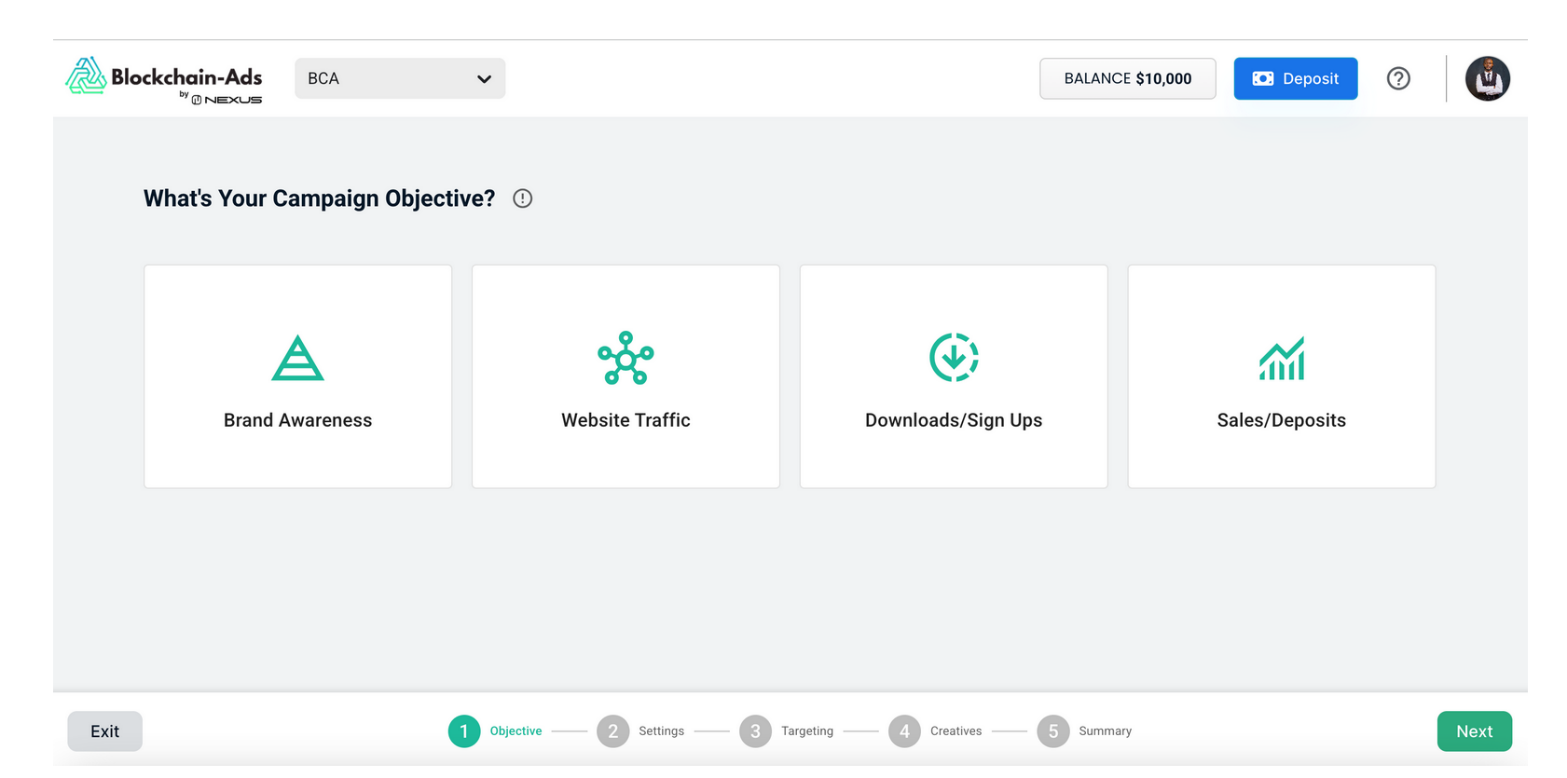
- Brand awareness
- Exchange signups
- Token launch visibility
- Community growth
- Protocol adoption
The goal determines everything from targeting strategy to your ad format selection.
Step 2: Pick channels based on budget and audience
Different channels work better for different campaign goals.
For example:
- Mainstream social platforms often work well for broad awareness
- Crypto-native ad networks are best for conversions at scale especially with wallet-level targeting
- Influencer campaigns help build trust and community visibility
- Sponsored content supports education-heavy campaigns
Many advertisers combine multiple different channels.
Step 3: Prepare compliant creative
Before launching campaigns, you need to ensure that creatives comply with both platform policies and local regulations.
That includes:
- Clear messaging
- Accurate claims
- Transparent disclosures
- Risk disclaimers where necessary
- Strong brand credibility indicators
Crypto audiences are highly skeptical, so clear communication matters a lot here.
Step 4: Launch small, measure, and scale
Most successful crypto advertisers begin with smaller test budgets before expanding.
A typical first campaign on Blockchain-Ads might look like this:
- Define the campaign objective
- Choose a target audience based on wallet behavior
- Select ad formats such as banner or native ads
- Launch across crypto publisher inventory
- Measure wallet-level conversions
- Optimize placements and targeting based on results
This process helps you to identify which audiences, creatives, and channels actually drive blockchain activity rather than vanity metrics.
Where to go next
Hopefully you now understand what crypto advertising is and how it works.
The space is still evolving rapidly, but the core mechanics are becoming increasingly sophisticated.
As you continue exploring, the next step is diving deeper into the specific formats, networks, targeting methods, and campaign strategies that power successful crypto growth campaigns.
For that, check out these guides:
Jamie is a digital marketer, writer, and editor with 12 years of experience creating online guides and reviews.
View full profile →