How to Run Compliant Weight Loss Ads on Google: Policies, Setup & Best Practices
Have you tried weight loss ads, only to have Google hit you with the dreaded disapproval message: “Health & wellness products and services, and procedures aren’t allowed in personalized advertising”? Well, this isn't as rare as you might think.
Given the sensitive nature of weight loss and body‑image issues, Google Ads treats many weight loss offers as restricted health content and applies stricter rules to protect users and prevent misleading or harmful claims.
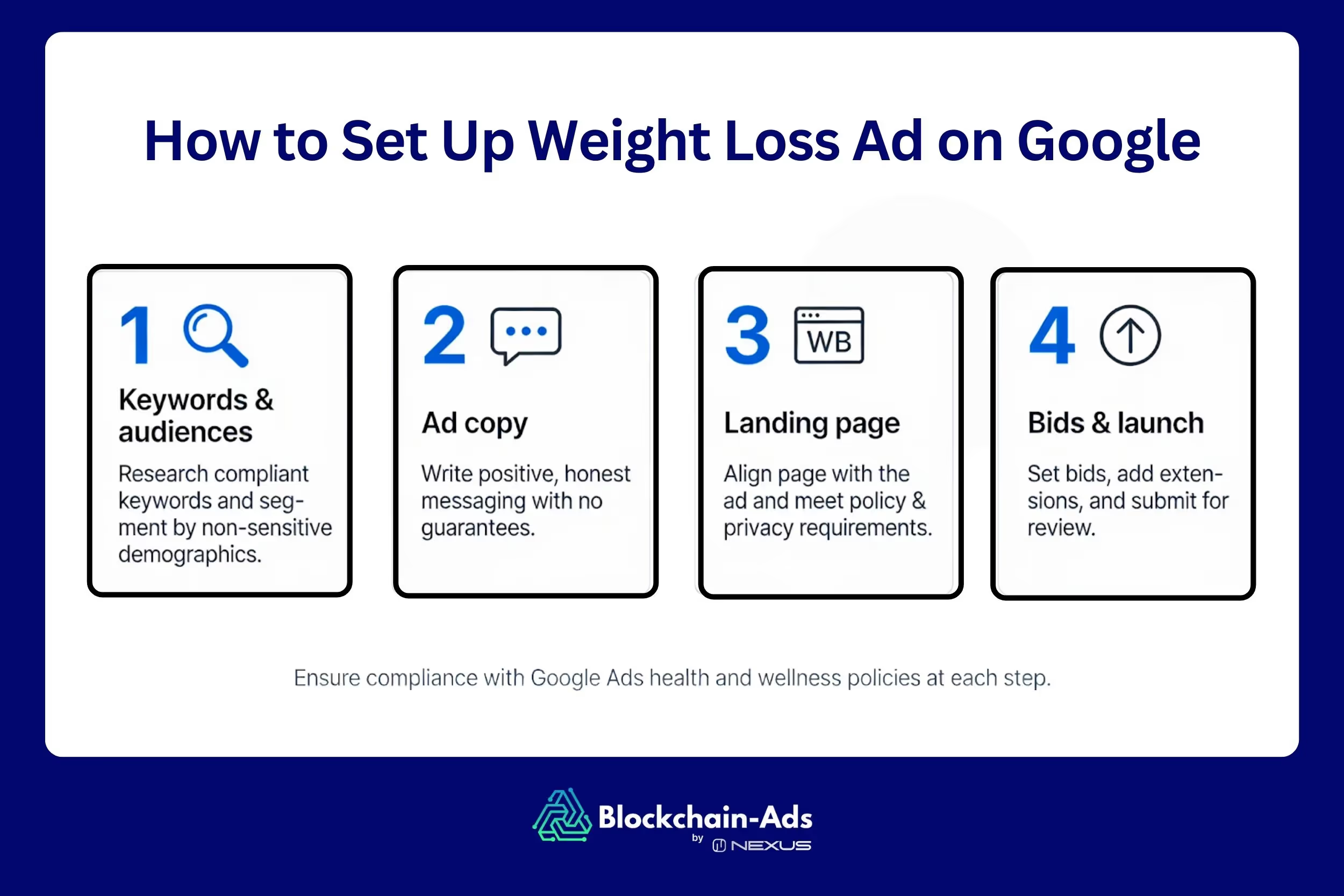
To run a weight loss ad on Google, it must target those 18 years old and above and meet all the safety guidelines. Additionally, you must ensure a thorough setup process that will see you get approved and not rejected by going through the following:
- Keyword research and audience segmentation
- Writing compliant ad copy
- Designing a policy-compliant landing page
- Bidding, budgets & extensions
If your campaigns keep running into policy limits or disapprovals, you can also test alternative platforms like Blockchain‑Ads. This network uses advanced behavioral and interest‑based targeting, combined with identity‑level intelligence where allowed, to find users who are actively researching or ready to convert, while still applying its own compliance controls.
Learn all about running blockchain ads on Google, the compliance policies, setup process, and how you can successfully get started on advertising alternative platforms like Google Ads.
What Are Weight Loss Ads on Google?
These are advertisements in the health and wellness section that aim to promote weight loss products, services, or programs. Such ads are subject to restrictions including location, age, and certain device limitations. When advertising weight loss ads on Google, generally, you are not allowed to:
- Promote weight loss products containing chorionic gonadotropin (hCG)
- Imply that the product that you are promoting is as effective as prescription drugs or controlled substances
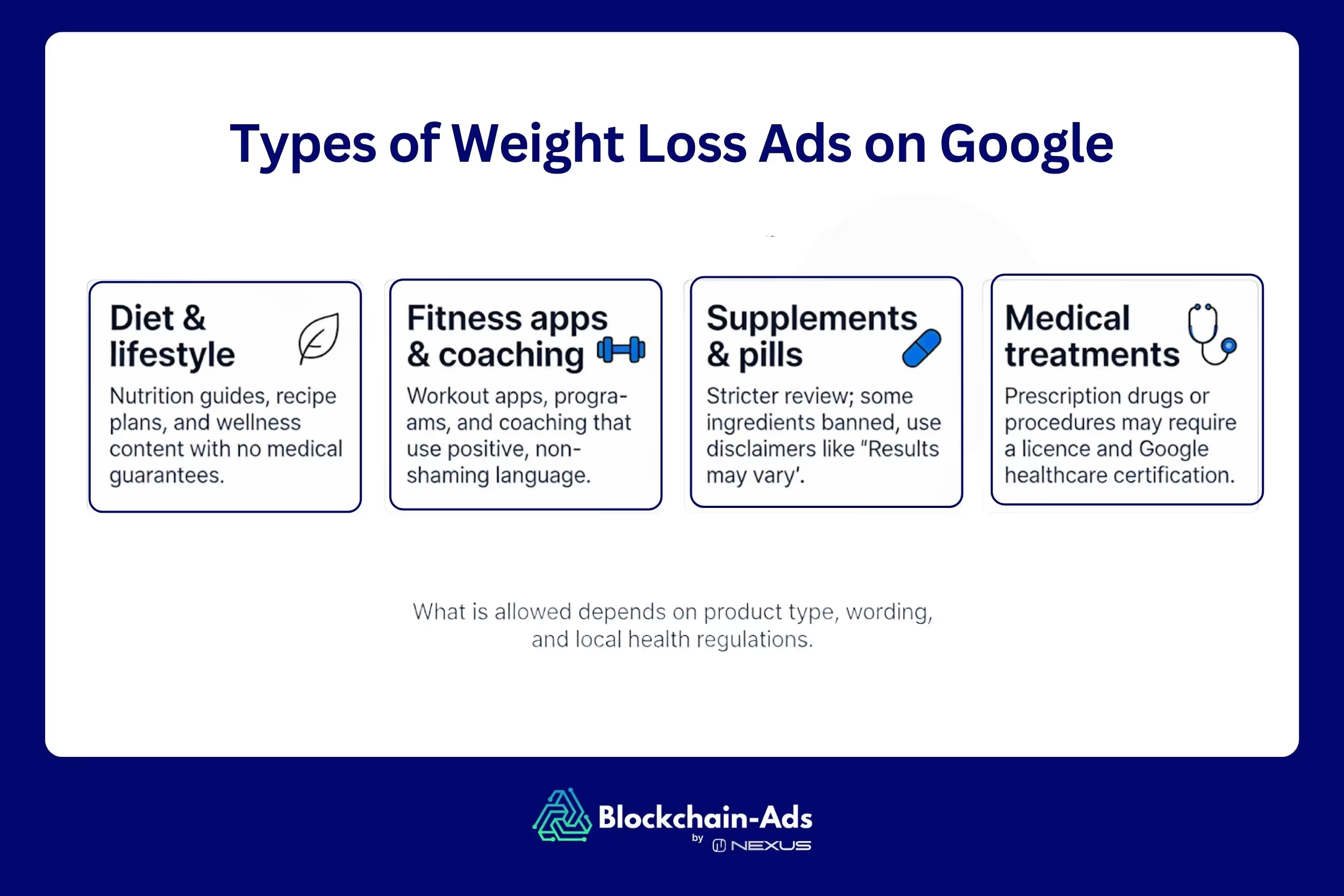
You can run many weight loss‑related ads on Google, but what is allowed depends on the product type, wording, and local regulations. In general:
- Diet and lifestyle content such as nutrition guides, keto or low‑carb recipe plans, and general wellness programs are usually allowed, as long as you avoid misleading medical claims.
- Weight loss supplements and pills are subject to stricter review, and in some countries certain ingredients or “quick‑fix” products may be prohibited entirely; where they are allowed, you should clarify that results vary and that supplements should be used alongside a healthy diet and exercise.
- Fitness apps, workout programs, and coaching services can be advertised as long as they do not promote negative self‑perception, shame users, or include unrealistic “guaranteed” outcomes.
- If you are advertising regulated medical services or prescription‑only weight loss treatments, you may need to be a licensed provider and obtain Google’s healthcare‑related certification before your ads can run.
To run such ads, Google allows you to use various formats, including texts, images, app promotions, video, shopping, call-only, or responsive ads. Choose your ad format depending on your goal. For instance, if you are promoting your services and only want your potential customers to call you, then opt for the Call-only format.
Remember that running weight loss campaigns on Google Ads also requires clear goals. Decide if your aim is to create awareness, drive traffic to your website, generate new leads, or increase conversions.
Google Ads Policies for Weight Loss
Weight loss advertising on Google falls under the “restricted content” categories with limited audience targeting and sometimes requires certification. Below are the Google Ads policies on advertising weight loss products and services.
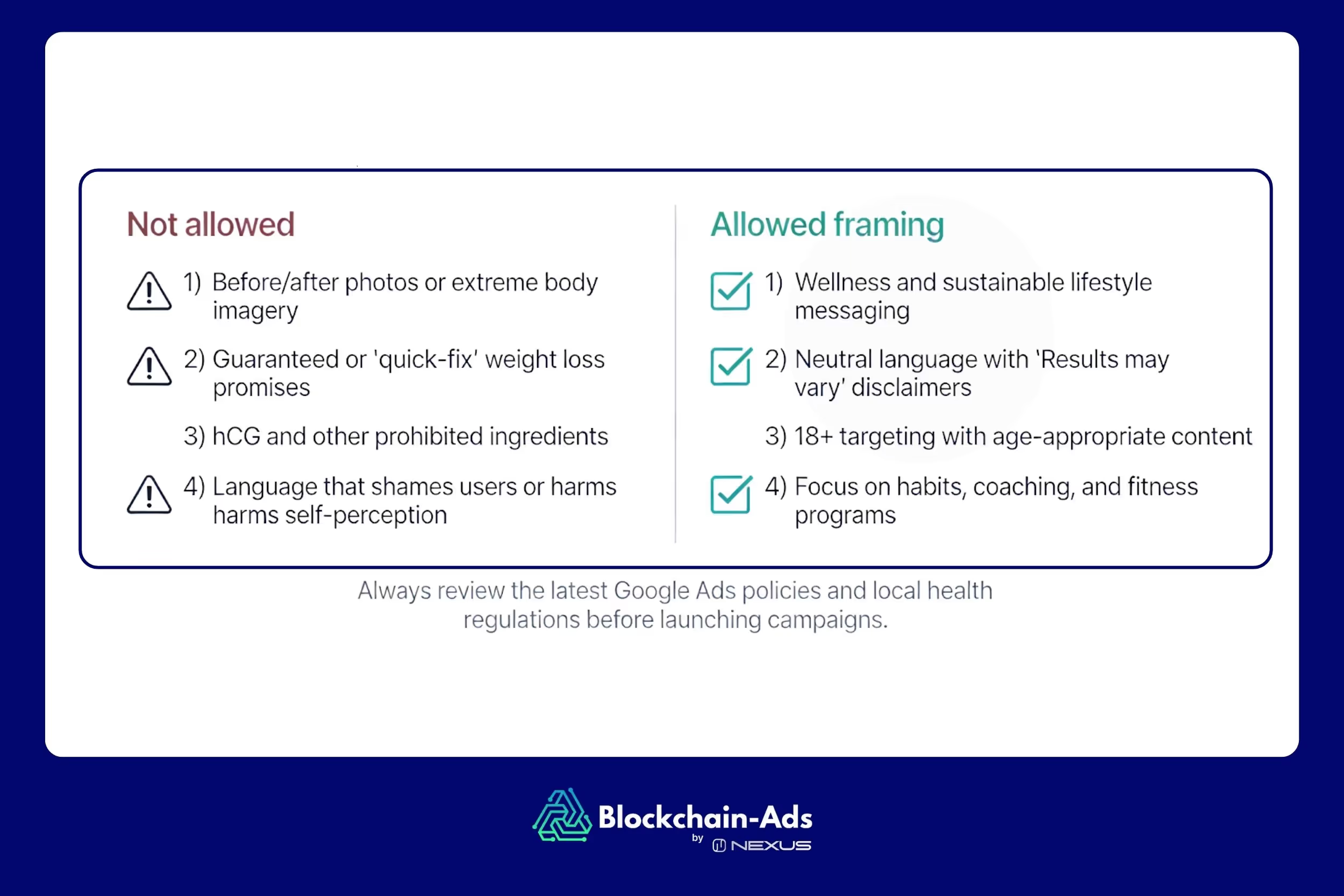
Prohibited Claims and Imagery – No “before/after” photos, unrealistic promises.
Your weight loss Google ad can’t promote videos or images with a side-by-side comparison of before and after pictures of the use of a product or service. You must also avoid using words like guarantee and giving users unrealistic promises.
Allowed Framing and Language – Focus on wellness, sustainable results
Your weight loss Google Ad will only be approved if it's targeting people 18 years of age and older. The language used should be inspiring and avoid triggering negative self-perception. You must also include clear and concise disclaimers, especially when advertising a weight loss pill. Such a disclaimer is “Results May Vary”.
Targeting and Audience Restrictions – No remarketing on health data, sensitive category controls
When you set up audiences, Google does not allow you to build or target based on sensitive health information. In particular, you cannot:
- Target people based on specific health conditions, inferred medical history, or other sensitive health status
- Create customer lists or remarketing audiences from medical records, pharmacy data, or similar sources that reveal a user’s health condition
- Use signals such as frequency of visits to a medical or wellness site to infer a health condition and then target or exclude users on that basis
You can still use contextual and intent‑based signals (such as search queries or content categories) to reach people interested in weight loss, as long as you respect Google’s rules on sensitive categories.
Approval Process and Common Disapprovals – How to request review and fix issues
Being a health and medical product or service on Google Ads, advertising weight loss involves a strict approval process. You start by creating, editing, and ensuring fulfillment of the compliance checklist, and submit your ad for approval.
The Google automated systems or a human expert will then review your ad content, like headline, description, keywords used, and your destination landing page. This reviewing process can take a day or more. You can track the status of your ad.
If your ad complies with policy, it will typically be marked as “Eligible” and can serve normally. If it shows as “Eligible (limited),” it has passed review but is restricted by factors such as location, sensitive health content, or account‑level settings.
When an ad is “Disapproved,” it will not serve until you fix the issue. The policy notice in your account will usually explain the reason and whether you can simply edit and resubmit or must request a manual review.
In some cases of repeated or serious health‑policy violations, Google may issue a warning and give you a limited time window to correct the problem before further enforcement, so it is important to address disapproval promptly.
If your ads promote prescription weight loss medicines, medical procedures, or other highly regulated offerings, you may be required to obtain Google healthcare certification and comply with all local licensing rules before your ads can run.
Step-by-Step: Setting Up Weight Loss Ads – Campaign creation process in Google Ads.
Creating a weight loss campaign on Google Ads is all about thorough research on your target audience, keywords, ensuring compliance and going for the right budgeting and bidding strategies.
Keyword Research & Audience Segmentation
For a successful ad campaign, you must do thorough keyword research and optimization. You can use keyword tools to tap into the search patterns and trends that are most relevant to your target users. Next, analyze the search volume to come up with high and low intent keywords that have the potential of driving traffic to the ads.
For instance, when specializing in keto diets, your ad can target not only the broad keywords like “keto weight loss programs” but also the high-intent ones like beginner keto diet plans for weight loss. You can also employ the dramatic approach of integrating negative keywords to help you filter out irrelevant traffic.
While the Google system ensures that your ad reaches the right audience at the right time, optimum results still depend on you. You have to analyse your product or service and find the right target, then segment the audience into demographics like age, gender, and location.
You can segment your audience using Google’s standard options; such as location, language, and non‑sensitive interests or in‑market segments. However, you must avoid any settings that explicitly or implicitly target people based on health status or other sensitive characteristics. When in doubt, lean on keyword intent and contextual placements rather than highly granular audience traits.
Writing Compliant Ad Copy
A weight loss ad copy speaks to people's hopes, habits and identity. The target users are often drawn to transformation stories because they imagine themselves in that and stay engaged when they see the real-life routines and relatable wins. Therefore, the copy you create must tap into emotional connection and inspire action without promising the impossible. It should build trust with credible and consistent messaging.
After creating the ad, go through the compliance requirements and guidelines that are provided by Google. Ensure that you tick every compliance checklist for timely approvals.
Designing a Policy-Compliant Landing Page
Your landing page must comply with applicable data‑protection laws (for example, GDPR in the EU or similar frameworks in other regions) and Google’s own policies. This means providing clear privacy notices, obtaining consent where required for cookies and tracking, and giving users reasonable control over how their data is collected and used. The page must incorporate features like easily accessible privacy policies, clear opt-in mechanisms, and the ability to access, modify and delete their data.
Away from compliance, remember that your landing page must be engaging so as to drive conversion. It is therefore important that the design and content of the landing page are aligned with the user’s search intent and the messaging of the ad. For instance, if your ad is about promoting a 30-day weight loss challenge, then the landing page should have clear and concise information about this.
Bidding, Budgets & Extensions
The first step to bidding and budgeting is defining your campaign goals. Do you want the users to take direct action on your site, generate traffic, increase brand awareness, promote views and interaction, or improve your product consideration? With your goals at hand, go through the bidding strategies that Google offers and their pricing and align it with the aims of the campaign to come up wth a budget.
The following are the bidding strategies that Google Ads offers you:
- Cost-Per-Click (CPC): This strategy allows you to pay each time a user clicks on your ad. It is the best bidding strategy if your aim is to generate traffic to your website.
- Enhanced Cost-Per-Click (ECPC): ECPC automatically adjusts your manual CPC bids up or down based on the likelihood that a click will lead to a conversion. It is a semi‑automated option that layers smart bidding signals on top of manual bids, but it is not the same as full Target CPA or Target ROAS.
- Target ROAS: This bidding strategy focuses on producing the highest revenue. Google will therefore assess the potential return before conversion and adjust bids accordingly.
- Target Cost-Per-Actio (CPA): This is a strategy to consider if you are looking for maximum conversion and reaching out to users who have the most purchase intent. You will therefore set the average amount you want to spend per conversion action.
- Target Cost Per 1000 Impression (CPM): This is a bidding strategy to help maximise visibility, and therefore, you will be paying for every impression.
Before you submit your ad for review, you can consider the various Google Ads extensions available. These extensions are to help you give additional information to your viewers and help build out your ads for the highest quality audience. Some of the extensions to consider include sitelink, callout, structured snippets, image, call, lead form, location, and price extension.
Alternative Platform: Blockchain-Ads
Although advertising weight loss ads on Google is quite effective, it has its own frustrations. Disapproved ads, banned landing pages, and too much time on the approval stage, you need them. For this reason, it is important to look for alternatives like Blockchain Ads.
This platform will allow you to advertise regulated markets like weight loss and ensure precision in audience targeting through advanced behaviour analysis, interest graph, and verified intents.
Blockchain Ad powers you to find the right users in the right context through:
- Capacity: This advertising platform will show your ad to people based on their behaviour, interest, and attention signals. It reaches out to audiences that are actively researching, comparing, and ready to convert.
- Control: With Blockchain Ads, you get full control over who sees your message, when they see it, and what happens next. It offers you Nexus AI to help adapt your weight loss ad campaign in real-time to user actions, device behaviour, and attention signals.
- Transparency: You will be able to track every click and conversion. Blockchain Ads has a built-in design with pixel and server-side tracing that back records, ensuring full visibility of th ad performance.
Pros & Cons vs. Google Ads
The following are the advantages and disadvantages of running weight loss ads on Google Ads.
How to Get Started
To get started with Blockchain Ads, you must first be verified. Just click on the Request Access” button, and you will be provided with a form to fill out. You will then undergo compliance checks, budget thresholds, and the mandatory verification meeting. Once you pass this, then you can focus on your weight loss ad.
Whether you are looking to create awareness, drive engagement, or conversions, Blockchain Ad will offer you guidance on how to do it and run a successful weight loss ad campaign.
Frequently Asked Questions
What makes a successful weight loss Ad Campaign on Google?
A successful weight loss ad must be compliant and approved by Google Ads. It must be compliant, and the copy must showcase a balance between benefits, transparency, and providing a positive, realistic approach to weight loss.
Which ad formats are best for weight loss advertising on Google?
The best ad formats you can use to advertise weight loss are call-in, responsive, text, and in-page ads.
What are the best practices when running weight loss ads?
Best practice in weight loss advertising includes using positive emotional triggers in ad copy, user-generated content like testimonials, and video reviews, including CTAs, and targeting specific demographics and pain points.
What are the common mistakes when running weight loss ads on Google?
Overpromising unrealistic results, using before and after images in cases where you are not advertising fitness, and including generic images or prohibited content.