Top Paid Advertising Platforms in 2026 (Ranked & Compared)
Nowadays, there’s no shortage of places to spend money on ads. But remember, not every platform gives you the same return. And in 2026, that difference is huge now more than ever. Ad costs are rising. Audiences are fragmenting and the algorithms are not exactly getting simpler.
That’s why picking the right paid platform matters. Some platforms shine when you need to reach. Others are better for ROI and a few others are made for industries that can’t run ads on mainstream channels. In this guide, we’ve compared the top paid advertising platforms based on their real use cases (search, social, native, and programmatic.
Here are the top paid advertising platforms in 2026:
- Blockchain-Ads
- Google Ads
- Meta Ads (Facebook & Instagram)
- YouTube Ads
- Mondiad
- LinkedIn Ads
- X Ads (Formerly Twitter Ads)
- Taboola
- Outbrain
- The Trade Desk
- StackAdapt
- MGID
- Propeller Ads
- Microsoft Advertising
- Amazon Ads
How We Chose the Best Paid Advertising Platforms
To be honest, there is no one-size-fits-all when it comes to paid ads. What can work for a fintech app might not work for a fashion brand. So, instead of ranking platforms by size or popularity, we focused on what actually matters to advertisers in 2026. Below is what we looked
- Targeting capabilities: Some platforms will allow you to reach the right people at the right time and with the right precision.
- Ad format variety: Some platforms will only do banners. Others will give you video, native, search, and more. The flexibility that is.
- Audience reach: Is the platform active where your buyers actually hang out? That’s a big consideration.
- Optimization tools: Does the platform allow built-in A/B testing, auto-bidding, and smart segmentation? These can make or break a campaign.
- Industry fit: Some platforms are really amazing unless you’re in the CBD, gambling, adult, or crypto field. We look at those restrictions very closely.
Best Paid Advertising Platforms for 2026
Each of our recommended platforms is built with your goals or your industry in mind. We have also based our paid ads platforms on real-world performance, flexibility and audience access. Here is the table showing where each of them stands out:
1. Blockchain-Ads
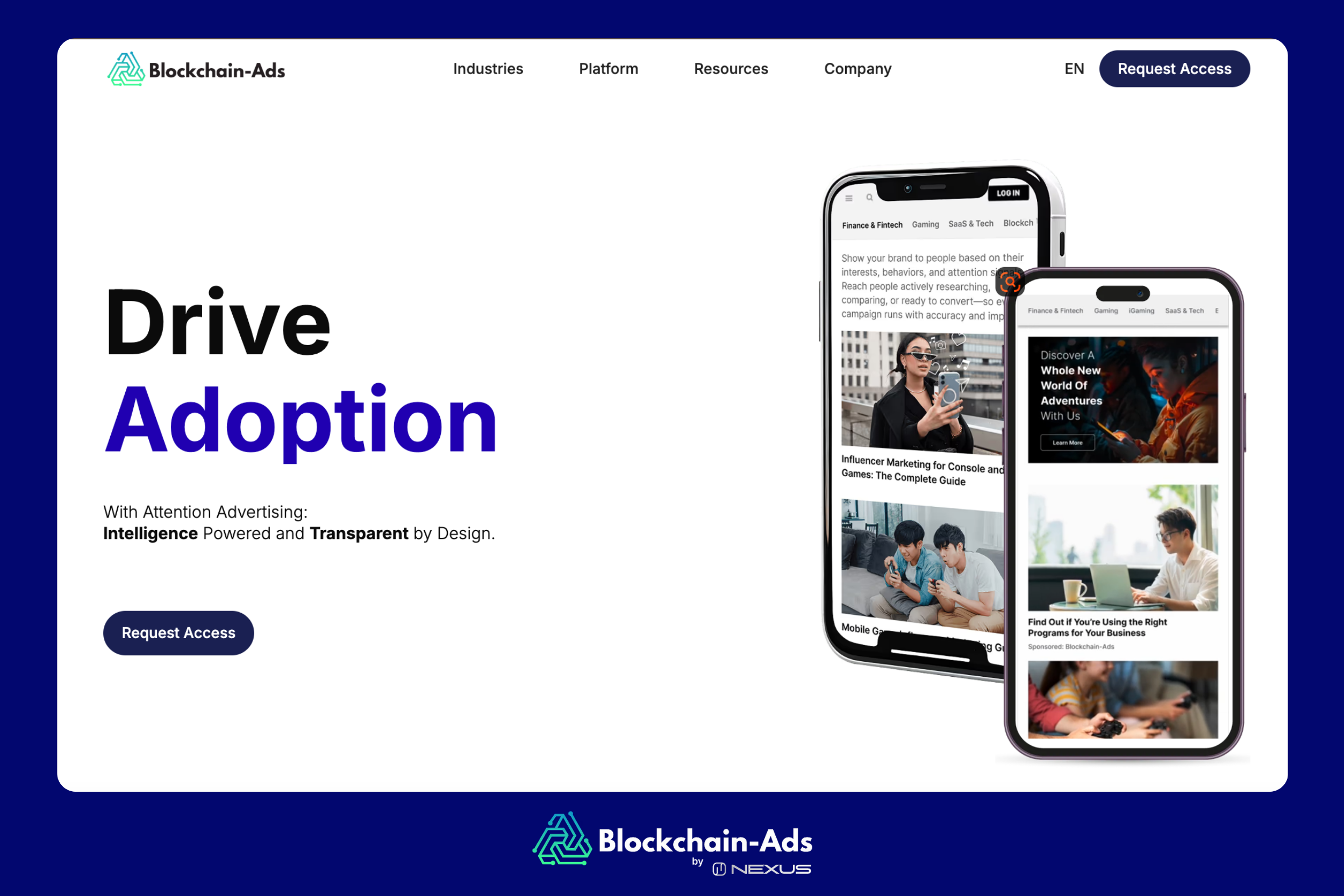
Blockchain-Ads is one of the only paid advertising platforms designed specifically for performance driven industries and restricted industries. These include finance, CBD, iGaming, adult, crypto, Saas, AI and Tech. It bypasses all the traditional ad bans by focusing on on-chain behavior rather than cookies or vague audience interest.
This means that advertisers can target an audience based on their blockchain behavior and even competitor smart contracts. It’s indeed a game changer for most businesses that can’t run paid advertising on Google or Meta.
- Key Features: Blockchain-Ads unifies programmatic media buying, AI optimization, blockchain-verified attribution, and precise audience targeting across 420M+ profiles and 11M+ wallets.
- Pricing: Campaigns start from a minimum $10,000 deposit, using CPM as the base model with CPC or CPA options for performance-driven setups.
- Ideal Users: It’s built for performance-focused and regulated brands in sectors like finance, iGaming, SaaS, AI, crypto, gaming and other high-compliance industries.
- Ad Formats Supported: The platform supports display, native, video, in-app, mobile, and Connected TV (CTV/OTT) ad formats.
- Example Case Study: Binance used Blockchain-Ads and acquired 4,600 verified new traders over 4 months. The ad spend was $418,600 at a blended CPA of $91.
If you’re in a restricted industry and tired of account suspensions, then Blockchain-Ads isn’t just a suitable ad platform alternative but a core channel. It allows you to scale with precision and reach the right target audience that competitors can’t even touch.
2. Google Ads
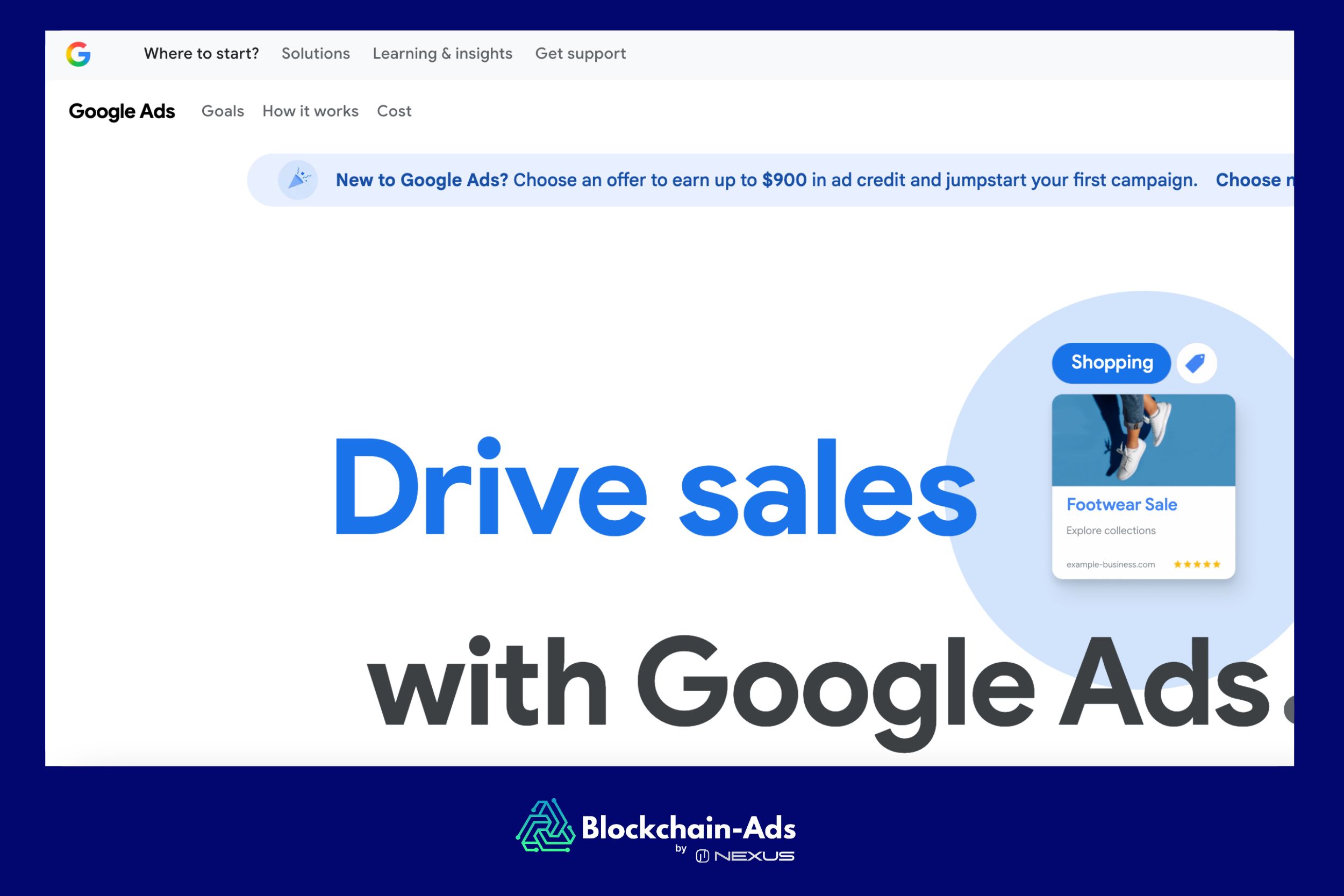
Google Ads is still the go-to platform when you want to appear in front of the people who are actively looking for something. It can be a product, a service or a solution. In 2026, Google search ads have even become more advanced, thanks to the AI optimizing ad placement across search, display, YouTube and shopping in real-time.
The good thing about Google Ads is that it gives the brand full funnel reach with tools to boost leads, drive sales, increase app installs or even bring traffic to physical stores. Although automation is strong, the result will still depend on your strategy. Targeting, ad budget, audience segmentation and creativity all matter.
- Key Features: AI-powered performance, real-time conversion tracking, keyword targeting, Google Display Network access
- Pricing: CPC paid advertising varies by industry. For eCommerce ($1-$3), technology SaS $3-$5, Real Estable ($4-$6, legal and insurance ($8-$12+)
- Ideal Users: Ecommerce, B2B SaaS, local businesses, mobile apps, info products
- Ad Format Supported: Search, shopping, display, video
- Example Case Study: Charismatico Dancewear, which is an ecommerce brand ran a Google Ads campaign. The campaign combined search, Google shopping ads, and display. Google then used AI-powered optimization and target audience segmentation and helped the company achieve over $300,000 in revenue in one year and saw a 156%+ ROI.
If your customer is actively searching for what you sell, then Google Ads is one of the best advertising platforms you should give a try.
3. Meta Ads (Facebook & Instagram)
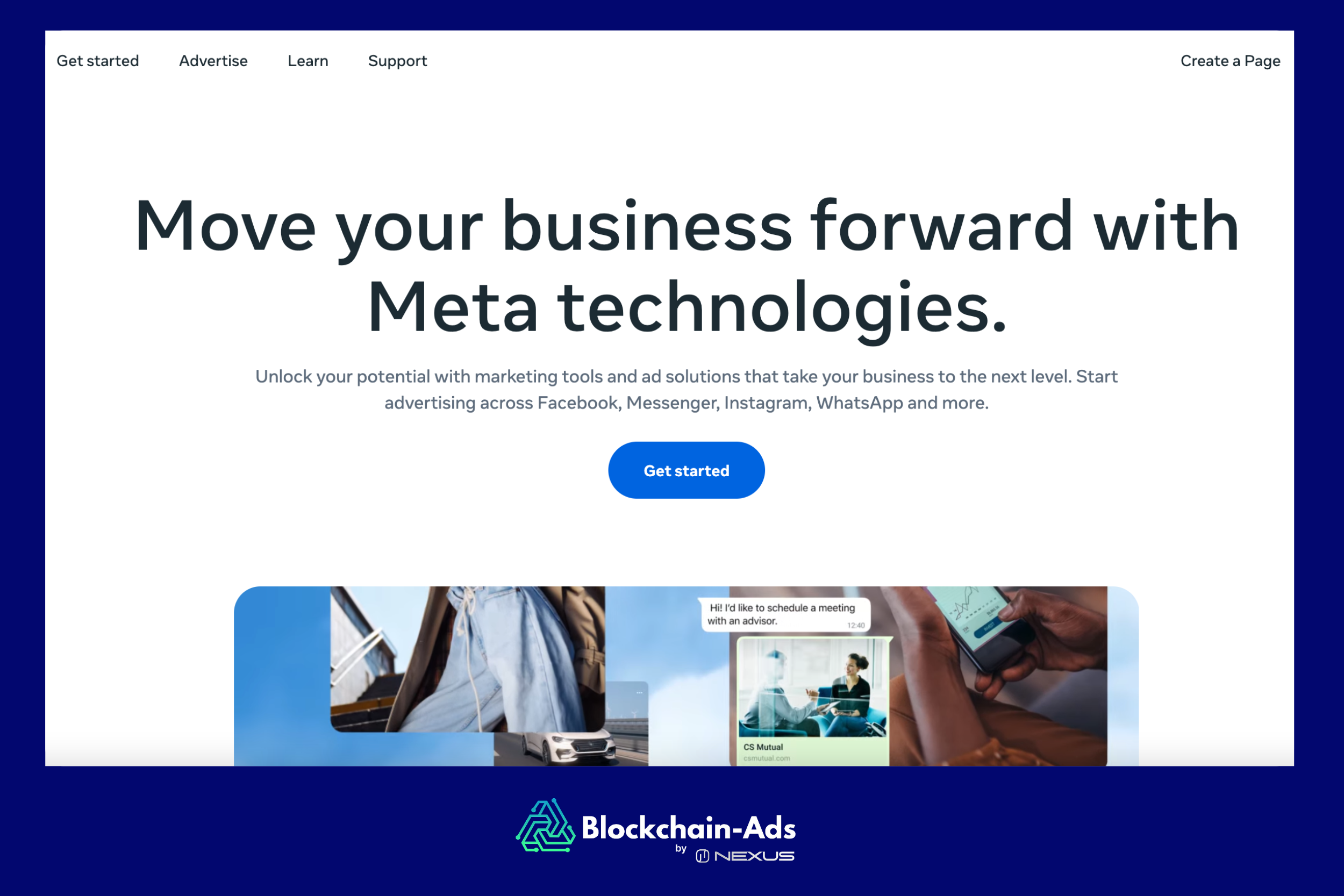
Meta Ads basically covers both Facebook ads and Instagram ads. It is also the most effective platform to help reach people based on their social interests. Unlike search ads that wait for intent, Meta does best by putting the product right in front of users who even didn’t know they wanted them yet.
Currently, the platform uses machine learning tools to help improve audience matching and targeting. You can run paid ad campaigns for direct sales, lead generation, video views or even post engagement. However, note that Meta is stricter with ad approval and tends to flag content in sensitive categories such as CBD and adult.
- Key Features: AI-driven creative optimization, Advanced audience targeting, trending reels ad placement, enhanced analytics
- Pricing: CPC $0.50-$3.50
- Ideal Users: Ecommerce brands, DTC and retail businesses, mobile apps, local businesses, B2C SaaS
- Ad Format Supported: Image ads, carousel ads, video ads
- Example Case Study: Seltzer Goods increased its monthly revenue by 785% and achieved a 9.68x ROAS within 30 days, all thanks to Meta Ads. The campaign used creative and ad copy, Facebook Pixel data, conversion focused campaign and automatic placement across devices.
If your products fits in the lifestyle or visual niche and you want to consider scaling through storytelling, Meta is still a suitable ad platform worth your money.
4. YouTube Ads
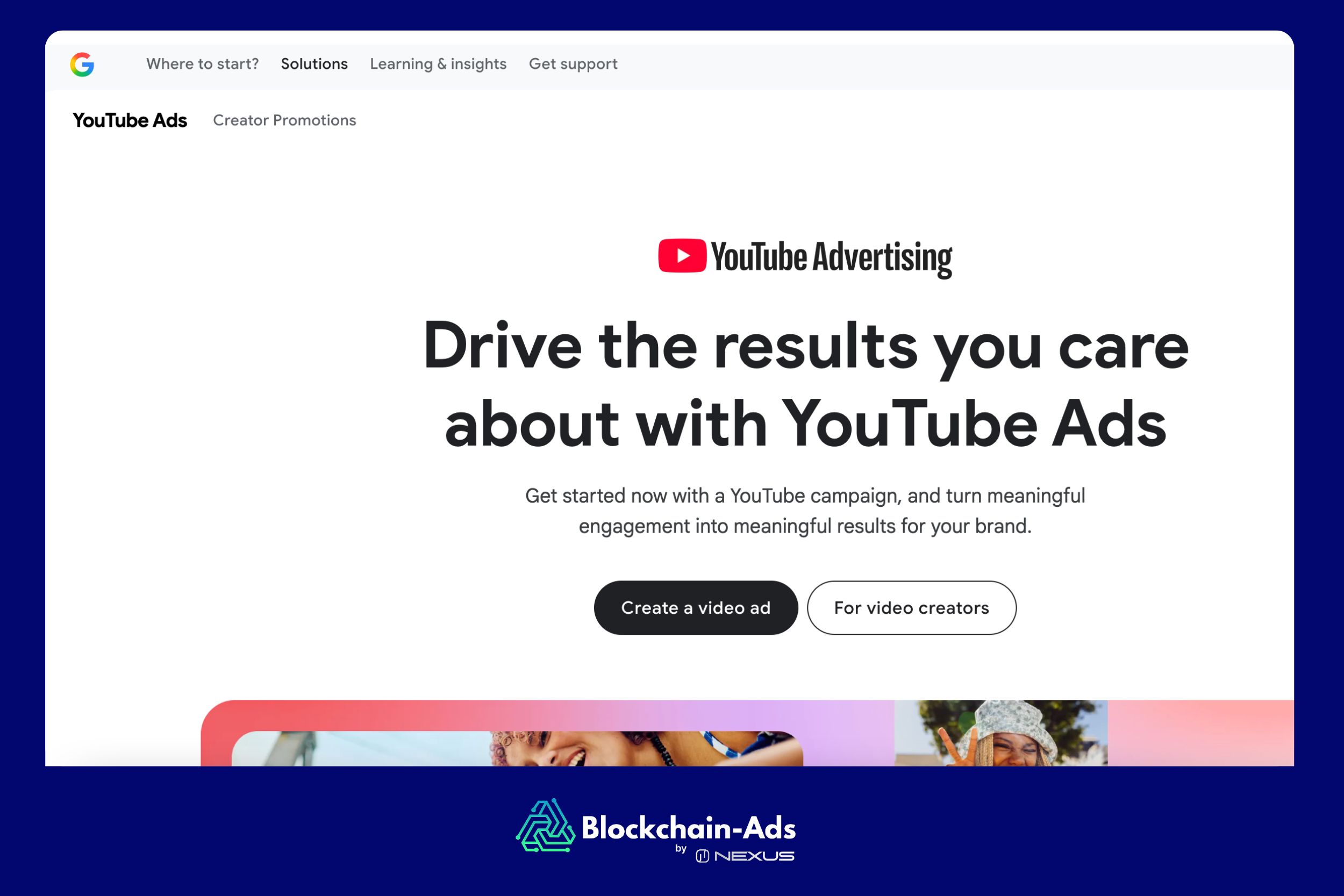
YouTube Ads are specifically built for brands that want attention and depth. In 2026, it’s not just about running video content, but is about holding attention long enough to educate, entertain or convert a younger audience. The best part is that YouTube’s connection to Google’s ad engine means that you get precise targeting based on intent signals and behavior.
It supports everything from skippable ads before video to product callouts in short and discovery feeds. However, the quality creative makes or break the performance here because bad ads get skipped fast.
- Key Features: Intent-based targeting, multiple ad formats, Integration with Google Ads, real-time analytics, AI-driven
- Pricing: Average CPM $3.5-$10 per 1,000 impressions
- Ideal Users: Ecommerce businesses, B2C companies, SaaS and tech companies
- Ad Format Supported: Skippable and Non-skippable in-stream ads, bumper ads, video ads, short video ads
- Example Case Study: Grammarly ran a full-funnel YouTube ad campaign to promote Grammarly Business. They used Video ad sequencing and video experiments in just 60 seconds. They helped them uplift their brand and the organic search queries or Grammarly business increased by over 100%. Website visitors also grew 2.4 times year over year.
Have products that need a minute to explain and build trust? YouTube Ads are often the most underused but powerful tools you can consider.
5. Mondiad
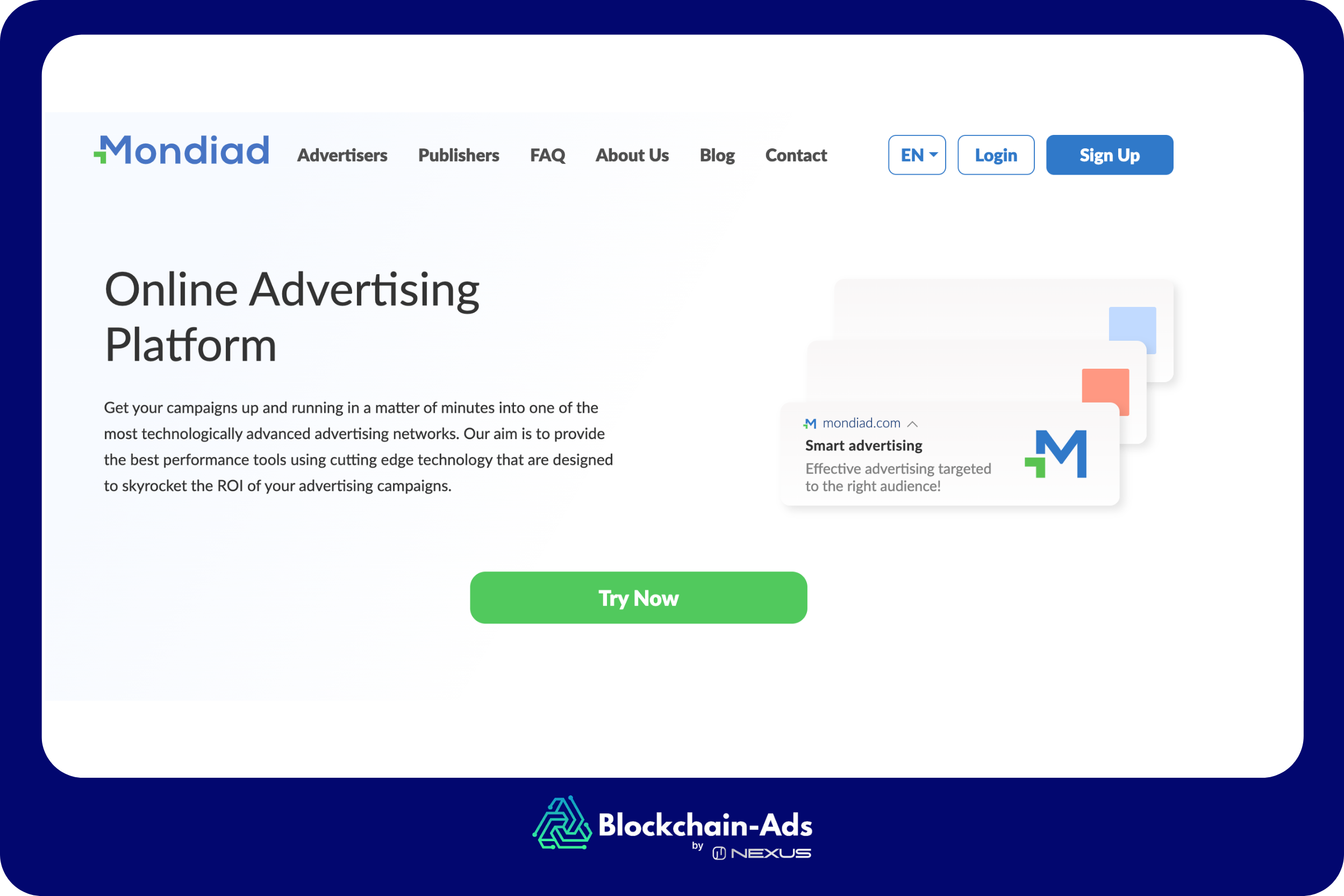
Mondiad is a self-serve, multi-format ad network built by the team behind the PopCash popunder network, running since 2019. It serves mainstream and adult traffic worldwide across verticals that Google and Meta routinely reject, and is built around speed: you can register, fund an account and launch a campaign in about 10 minutes, with manual approval typically completed in under an hour.
Where it stands apart from most networks in this list is the entry cost. At a $50 minimum deposit, advertisers can validate an offer for a fraction of what comparable platforms require, which makes it a natural testing ground before committing budget at scale.
- Key Features: TargetCPA smart bidding, custom bidding by ZoneID/SubID/GEO, smart optimization rules, whitelist/blacklist audiences, free built-in pixel and event tracker, fraud filtering, plus an MCP connector that lets advertisers manage campaigns from ChatGPT or Claude
- Pricing: CPC from $0.001, CPM and TargetCPA models available; $50 minimum deposit ($1,000 via wire transfer)
- Ideal Users: Affiliates, performance marketers and agencies running iGaming, finance and crypto, nutra, sweepstakes, dating and adult, mobile utilities, e-commerce or streaming offers
- Ad Formats Supported: Classic push, in-page push, popunder, native, banner; video pre-roll in beta, with parked domain ads and Telegram Mini App ads available on request
- Traffic Inventory: 10B+ daily impressions, 50M+ daily clicks with global coverage
If you're running offers that keep getting disapproved on mainstream platforms and need volume with granular control over placement, Mondiad is worth testing. You can explore the platform, create an advertiser account or browse their affiliate marketing guides.
6. LinkedIn Ads
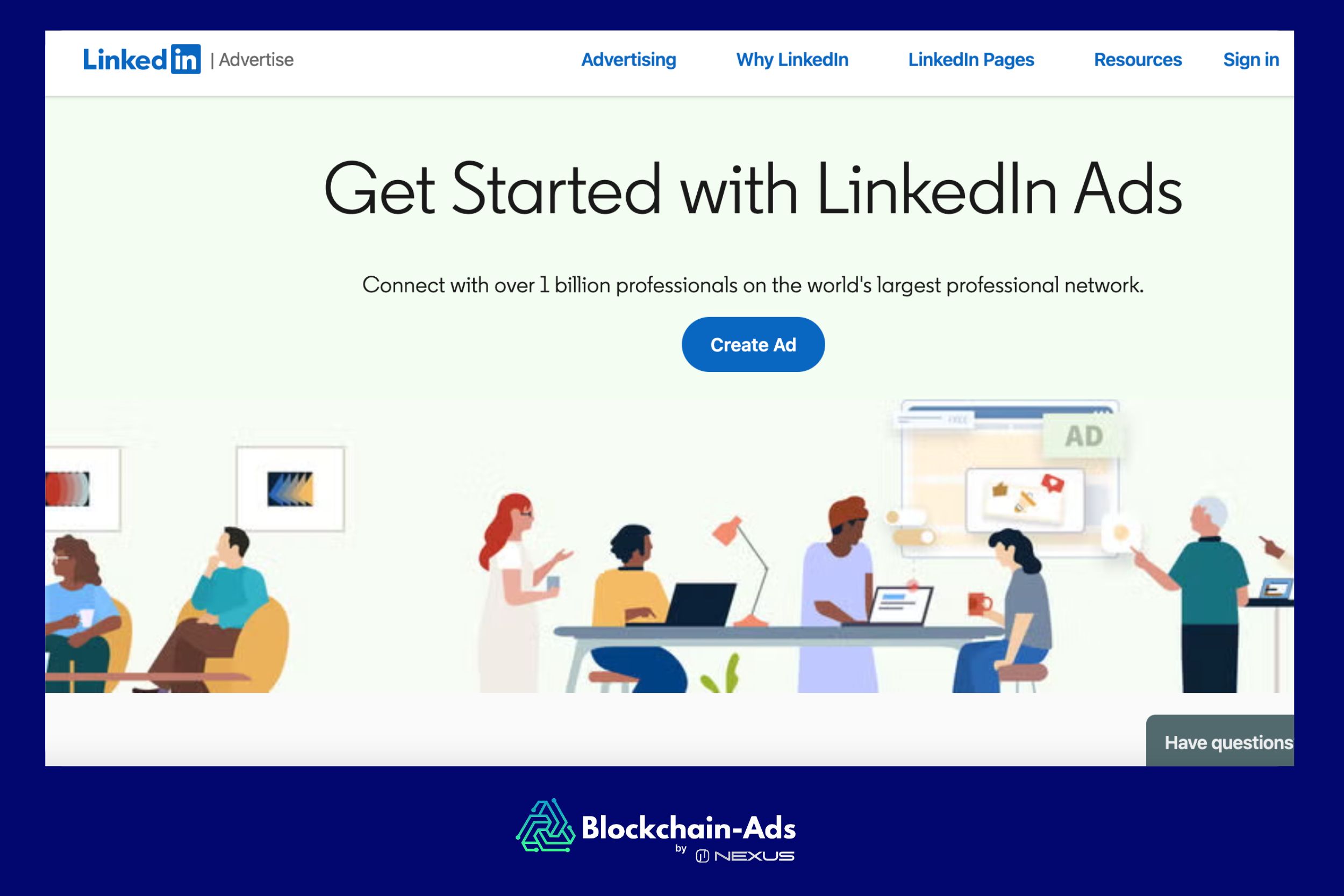
Linked Ads is the go-to platform for B2B marketing in 2026. If your goal is to reach decision-makers, a professional audience or job titles with budget authority, then this is where you show up. It’s expensive yes, but it is extremely targeted. You can filter by company size, job role, seniority and skills.
The platform supports everything from lead gen format to native video ads and conversation-based messages. Most advertisers use sponsored posts for high-ticket lead generation or talent acquisition. Here, the cost per click is less of a concern than the deal value:
- Key Features: Job title targeting, company-based segmentation, native video, matched audience
- Pricing: CPC typically ranges from $5-$12, depending on targeting
- Ideal Users: Recruitment firms, B2B SaaS, agencies, professional services
- Ad Format Supported: Sponsored content, Message ads, video carousel, lead gen forms
- Example Case Study: Math learning center Franchise struggled with lead generation. They turned to LinkedIn Ads to connect with high-value decision-makers. The strategies they used were optimizing for conversions campaign, scaling lead generation and a mix of video and image ad formats. This resulted to an increase in traffic by 206% and a 950% lead business growth.
If you’re selling to a business and not consumers, then LinkedIn Ads offers some of the most direct access to key buyers on the internet.
7. X Ads (Formerly Twitter Ads)
.jpg)
Previously known as Twitter Ads, X ads is still a unique player in the paid advertising. While this right ad platform does not always get the spotlight, it does well in breaking news, trending conversations and cultural spikes.
In 2026, the paid advertising focuses more on reach and engagement. Advertisers can therefore target target audience by interest, keywords, followers, or just trending hashtags. It’s an ideal way for brands that want visibility during product launches, events or hot topics.
- Key Features: Hashtag targeting, tailored target audiences, AI-optimization, keyword targeting, Advanced conversion tracking and analytics
- Pricing: CPC $0.20-$2.00 depending on the niche
- Ideal users: News publishers, fintech apps, political orgs, live events
- Ad Format Supported: Promoted tweets, video ads, carousels, trending placements
- Example Case Study: A marketing agency ran a 60-day X ad campaign with a budget of $185. They promoted high-engagement organic posts to targeted audiences. After the campaign, they achieved 163,000 impressions at only $0.0023 per view. Their site’s traffic also increased by 50% and boosted conversions by 133%.
If you want more leads, visitors and, of course, more followers, try X ads. It’s a cheap way to grow your followers, website visitors and sales.
8. Taboola
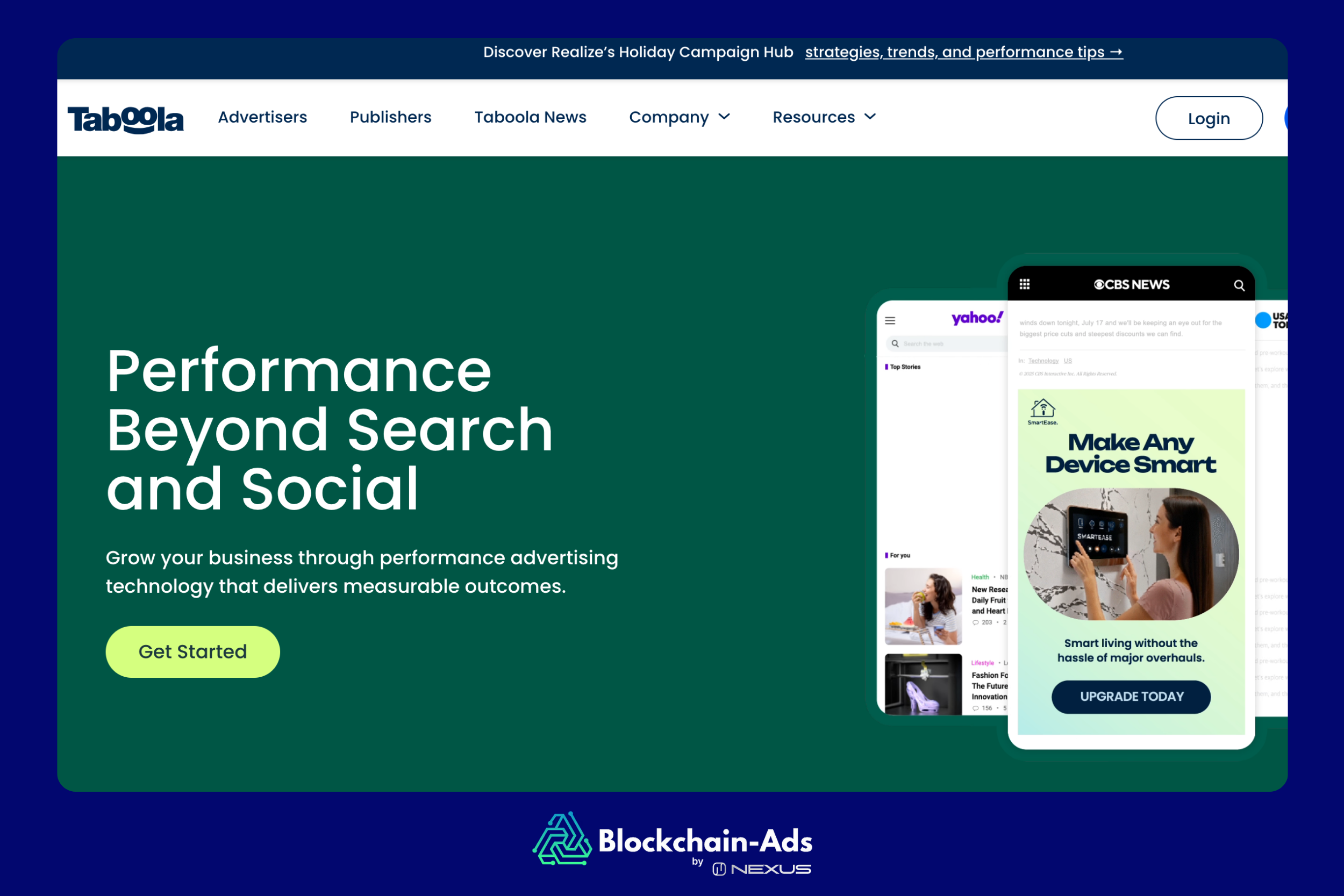
Taboola is one of the top native advertising platforms designed for driving content discovery at scale beyond search and socials. You’ve probably seen it. Ads that appear as ‘’recommended reading’’ or ‘’you might also like’’ on major news sites.
In 2026, this paid advertising platform is still a great option for mid-funnel campaigns and traffic acquisition with a soft CTAs. Unlike social and search ads, this one combines paid placements into editorial content across premium publishers. It works really well for brands with articles, quizzes, advertorials or any other long-form content.
- Key Features: Native placements, Predictive audience targeting, AI-driven optimization
- Pricing: CPC $0.10-$0.30
- Ideal Users: Content-driven ecommerce, SaaS, personal finance, health, online education
- Ad Format Supported: Native thumbnails, headlines, video, sponsored articles, carousel
- Example Case Study: Hyundai Motor Campany faced a challenge of driving new qualified session to their landing page in Spain. They also didn’t generate new leads. When they used Taboola, they used a bidding strategy, creative strategy, static images and motion ads. The result? They achieved a 26% lower cost per lead and a 10% lower bounce rate compared to Display and Social.
Taboola will work best if you have a story to tell or want to guide cold audiences with editorial-style content.
9. Outbrain
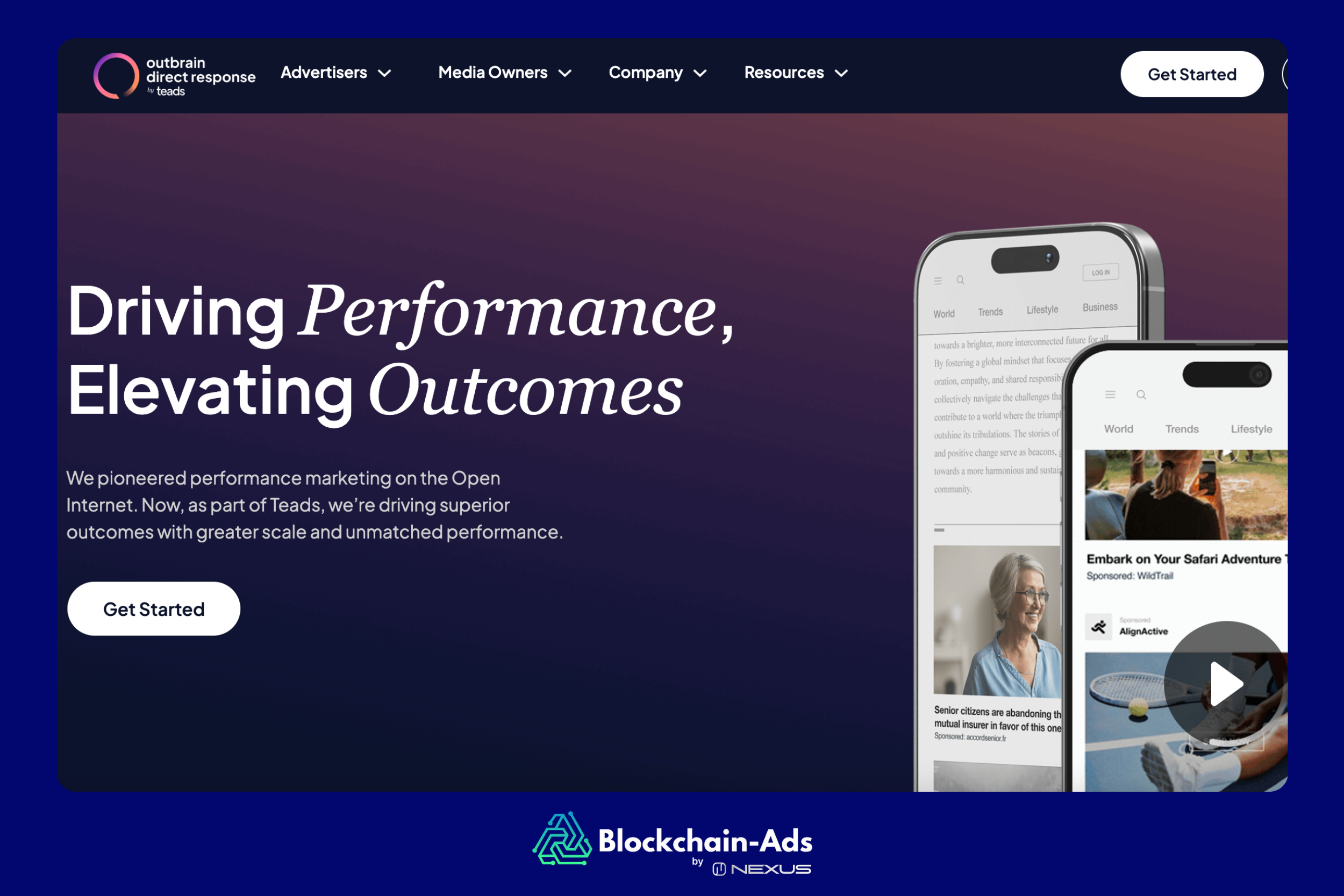
Outbrain is another native ad platform and a direct competitor to Taboola. It is more aggressive towards performance marketing especially through its Outbrain Direct Response solution. Unlike display ads, Outbrain ads combine your content into editorial feeds across premium sites.
In addition, the platform uses predictive AI, deep targeting and real-time optimization to give most businesses measurable results. Latest updates have actually pushed better performance over social channels, including 90% lower CPA and 15% lower CPL.
- Key Features: Deep audience targeting, AI smartfeed technology, real-time campaign optimization, analytics and custom reporting
- Pricing:
- Ideal Users: Affiliate, Automotive, B2B, brand studio, CPG, Direct-to-consumer
- Ad Format Supported: Native article recommendations, video ads, sponsored content, carousel ads
- Example Case Study: Peugeot launched a cross funnel campaign for their new Peugeot 3008. They used Outbrain’s native and video ad formats combined with AI-powered targeting. The campaign achieved a 119% higher attention, 5x increase in engagement and a 1.5x lift in brand consideration.
For content that converts and wants to scale on a platform besides Google or Meta, then Outbrain should be your top priority. It’s a powerful way to win attention and performance simultaneously.
10. The Trade Desk
.jpg)
The Trade Desk is one of the leading programmatic advertising platforms in 2026. It’s great for brands looking forward to managing omnichannel campaigns in a single dashboard. From connected TV to digital out-of home, The Trade Desk gives advertisers huge reach across the premium investory.
It’s also well-known for transparency and control. It lets media buyers fine-tune everything from bidding rules to target audience segments. With integrations to third party websites measurement tools and support for UID2, it’s built for advanced marketers who want to scale, optimize and own data.
- Key Features: Omnichannel reach (CTV, audio, display, DOOH), real time bidding control, marketplace of measurement partners
- Pricing: Typically depends on a percentage of the advertiser’s total spend on the platform
- Ideal Users: Big brands, media agencies, CTV buyers, political advertisers
- Ad Format Supported: Video, display, native, audio, DOOH
- Example Case Study: Rossmann launched a campaign using The Trade Desk to encourage buyers of other brands to switch to Babydream. They combined CTV and first-party data to drive awareness and sales growth. The results? 56% exclusive CTV viewers and 170% additional households reached.
Want full transparency, enterprise-level scale and perhaps control across every channel? You may try The Trade Desk. It’s actually a powerful DSP in the market right now.
11. StackAdapt
.png)
StackAdapt is an AI-powered and demand-side platform (DSP) that has been created for marketers who want control, flexibility and scale. Currently, it performs better in the omnichannel programmatic buying. It has a user-friendly interface and strong support for targeting niche audience across native, video, audio, and in game placements.
The best feature about StakeAdapt is how it uses AI optimization with real time insights and customizable targeting. It’s also one of the DSPs that marketers love for usability and hands-on client support.
- Key Features: Full-funnel targeting, AI-based optimization, 3rd-party audience integrations
- Pricing: Custom pricing depending on campaign goals and scale
- Ideal Users: Agencies, B2B advertisers, political, travel
- Ad Format Supported: Native, video, display, connectedTV, audio, in-game
- Example Case Study: Popeyes faced a lot of competition and struggled to reach potential customers. They partnered with StakeAdap and used a programmatic strategy to boost awareness and drive in-store traffic. This resulted in over 45k conversions and ROAS increased by 680%.
When looking for a modern DSP that combines smart automation with control, StackAdapt is an excellent option. It also serves campaigns across every format.
12. MGID
.png)
MGID is a global native performance and programmatic advertising platform that powers content discovery for millions of unique users monthly. It works by combining brand building and performance marketing in a single campaign.
The reason why it is still worth consideration in 2026 is that it offers advertisers the best options for scaling traffic and engagement. This is, of course, through native placement and programmatic ads in international markets.
- Key Features: Native placements, Programmatic tools, global reach
- Pricing: CPC $0.05-$0.10
- Ideal Users: Advertisers, publishers
- Ad Format Supported: Native headlines, rich media, video widgets
- Example Case Study: Toyota had a challenge of increasing brand visibility and recognition for Toyota Corolla Cross HEV model. After partnering with MGID, they created a campaign with main goals, including awareness, consideration and traffic generation. The result? They achieved 10.5 million impressions, 13,600 clicks and a CTR range between 0.15% and 0.55%.
If you want to target global audience and want to scale without breaking your budget, then it is worth checking what MGID offers. Their native ad reach is efficient and flexible for both performance and storytelling.
13. Propeller Ads
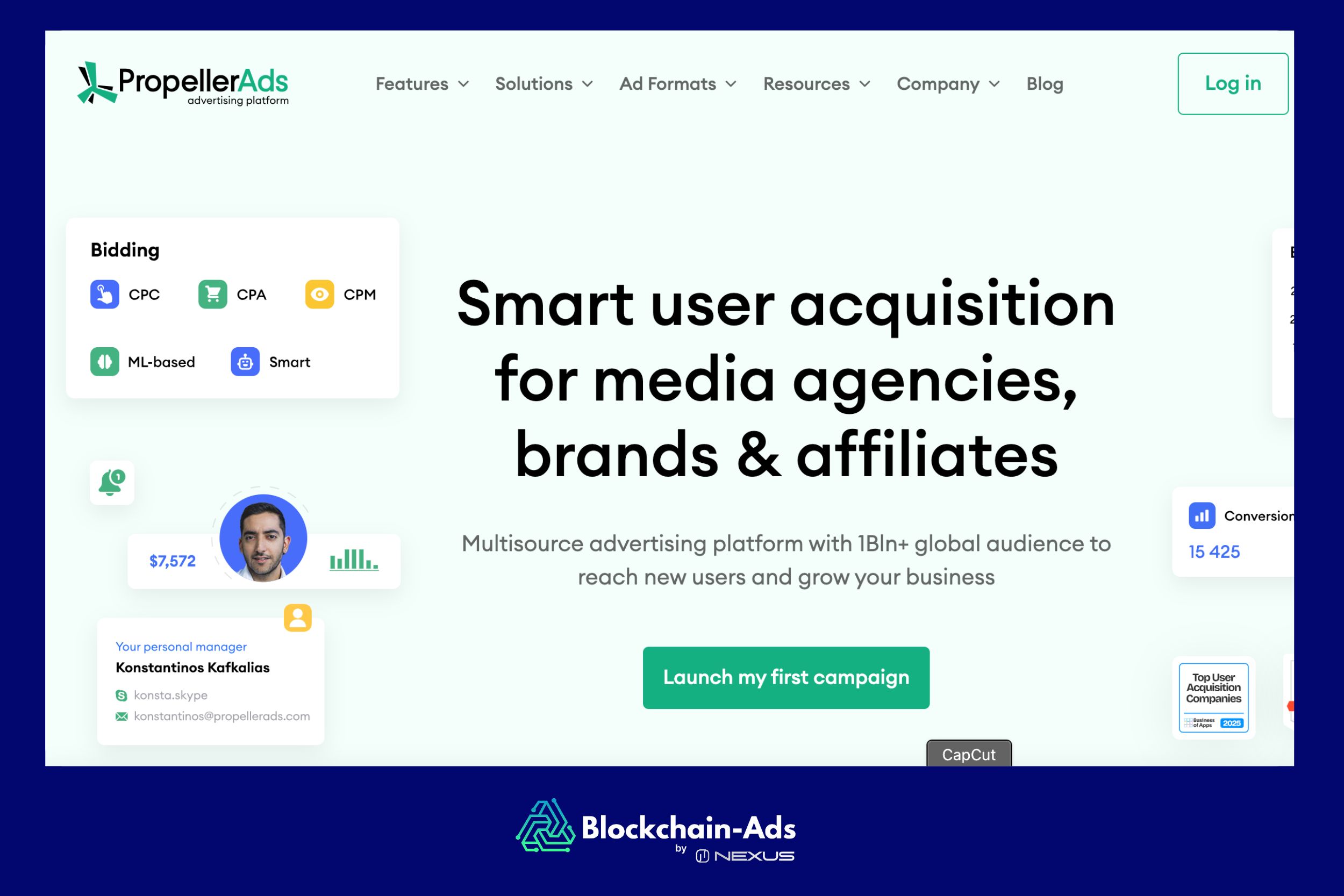
Propeller Ads is a high-volume multisource advertising platform that has been built for performance at scale. It is used by millions of users, especially affiliates, lead generators and mobile advertisers. It makes up in this list due to its automation, anti-fraud tech and flexibility across formats.
Advertisers can launch multiformat campaigns. This can be running push, in-page push, popunders and interstitials simultaneously to test and optimize right away. It is also great for cost-effective campaigns that need fast traffic, global reach and aggressive acquisition goals.
- Key Features: Traffic quality, traffic volume, ad performance, automation, campaign management
- Pricing: CPC 0.005-$0.10
- Ideal Users: Affiliate, app developers, ecommerce lead gen, finance, mobile utility campaigns
- Ad Format Supported: Telegram Mini Apps Ads, Push Ads, In-page push ads, Interstitial ads, Popunder ads, Survey Exit Ads
- Example Case Study: A partner promoting an iGaming Telegram mini app ran a December 2024 campaign on Propeller Ads. The app aggregates offers from multiple iGaming platforms and enables users to browse, register and deposit directly within Telegram. After the campaign, they achieved 9.86% CTR, a $0.006 CPC and a CPM of $5.92, generating a revenue of $7,883.64.
Propeller Ads is a remarkable option for volume, speed and testing flexibility. This is especially true for direct response campaigns.
14. Microsoft Advertising
Formerly Bing Ads, Microsoft Advertising is one of the powerful but underrated players in the paid ads space. Although it doesn’t have same reach as Google, it is a great platform for advertisers targeting desktop users or B2B segment.
Nowadays, it has integrated more AI-driven tools like Copilot for creative generation and expanded into performance-max style campaigns across search, shopping display and connectedTV.
- Key Features: AI-Assisted ad creation, full ad suite, access to Microsoft Search Network
- Pricing: CPC $0.50-$2
- Ideal Users: Small-to-mid ecommerce, B2B, education, legal, healthcare, brands targeting desktop users
- Ad Format Supported: Search, Display, Video & CTV, shopping
- Example Case Study: GLAMI leveraged Microsoft Shopping advertising. In one year of partnership, they saw an increase of 130% in sessions every year. Moreover, the campaign generated 76% more orders, thanks to all Microsoft Ads channels.
When looking for Google Ads alternative that is affordable and full-featured, then Microsoft Advertising/Bing Ads will deliver.
15. Amazon Ads
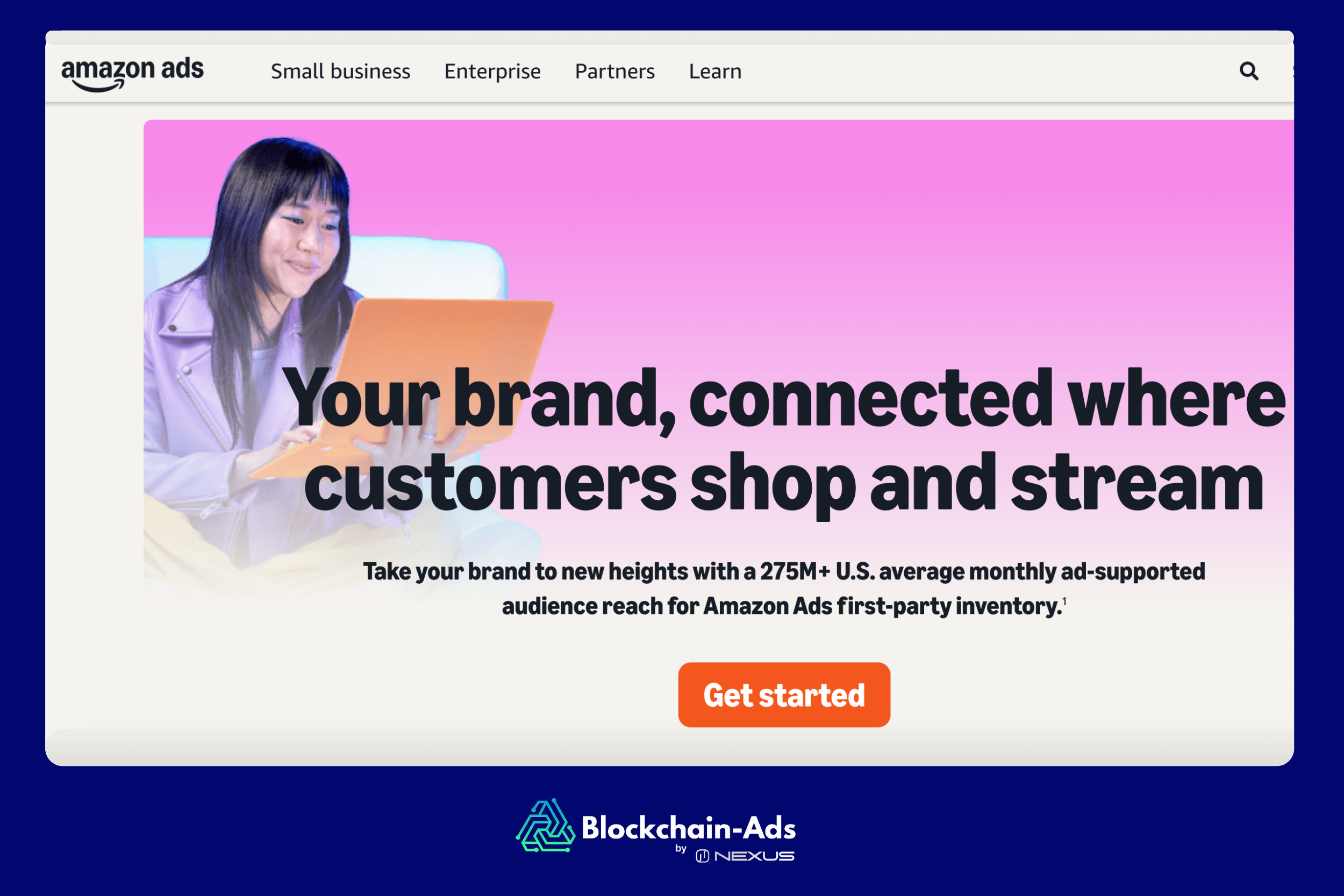
Amazon Ads is undeniably the best paid advertising platform for ecommerce brands selling physical products. Of course, if they’re already listed on Amazon. Most businesses use Amazon ads to reach target audience directly at the moment they’re browsing or ready to buy. It’s a kind of intent-based targeting that is hard to beat.
In 2026, Amazon Ads goes beyond just search and sponsored products. You can now run video ads, display campaigns and even stream ads on Prime Video content.
- Key Features: Sponsored product ads, DSP access, Prime Video Ads, first-party shopper data
- Pricing: CPC average price starts from $0.71-$1.20
- Ideal Users: DTC brands, Amazon sellers, CPG companies
- Ad Format Supported: Sponsored ads, Display ads, Video ads, Audio ads, Out-of-home ads
- Example Case Study: HEYDUDE, a casual footwear brand used buy with Prime and Amazon DSP to grow its customer base and sales. After the campaign, the ROAS increased by 11.4x and conversions rose by 46.8%.
If your customers are shopping on Amazon, and mostly they are, this platform isn’t just optional. It’s essential.
How to Choose the Right Paid Advertising Platform
Choosing the right Ad platform in 2026 isn’t just about going for the biggest audience. It’s all about fit from budget and content to the strategy. Below is how you can narrow things down based on your goal, your resources and probably where your customers spend their time.
What’s Your Objective?
You need to know exactly what you want to achieve. Is it any of the following?
- Brand awareness: If you want to be seen, then consider YouTube, Meta Ads, or Taboola. They’re ideal for visual campaigns and soft brand messaging.
- Lead generation or conversions: For hard results like signups, purchases or demos, try Google Ads, LinkedIn Ads, or even Amazon, of course, if you’re in ecommerse.
- Retargeting: Platforms such as Meta, Google Display Network and StackAdapt will give you the right tools. These tools can help you follow users who’ve interacted with on your site but didn’t convert.
Where Is Your Audience Most Active?
No paid ad will work if it gets to the wrong people. So what do you do?
- B2B brands: Go where professionals scroll like LinkedIn.
- Selling a consumer product: Try using Meta, Google and YouTube.
- Niche Web3, iGaming, CBD, and crypto: Avoid mainstream social media platforms and consider Blockchain-Ads.
- Trying to reach a young audience: TikTok ads X ads will offer you more than you can imagine.
What’s Your Creative Capacity?
This part really matters. If you choose a platform that does well on video but you only have banner graphics, then you’ll be wasting your budget fast.
- For short-form video: You can think of TikTok ads, YouTube shorts or Instagram reels.
- Static banners: These ones will work best on native platforms like MGID and Outbrain. You can also consider the Google Display Network.
- Long-form content: If you’re doing a content-driven campaign, then consider platforms like Taboola and StackAdapt.
What’s Your Budget?
Advertising platforms don’t charge the same. Some are beginner-friendly, whereas others are expensive, of course, depending on the target results. For example:
- Blockchain-Ads: Expensive but high performance with premium targeting (CPC $5-$20+)
- LinkedIn: Expensive and highly targeted (CPC $5-$12)
- Google Ads: Depends on the niche CPC $1-$12)
- Meta Ads: More flexible (CPC $0.50-$3.50)
- StackAdapt/The Trade Desk: Programmatic with scale (Custom pricing depending on campaign goals and scale
- Propeller Ads/MGID: Budget-friendly and great for testing CPC (0.005-$0.10)
Which Paid Ad Platform Is Best for You?
Indeed, no platform will fit every business. Some are built for search-heavy products, whereas others are for regulated industries or lifestyle brands. Here is a simple breakdown:
Best Paid Ads Platforms for Search Ads
When someone heads to a search engine with a specific query, you want to be the result they click. That’s where search ads come in. The following are the best to help you appear at the exact moment someone is looking for what you sell:
Best Paid Advertising Platforms for Social Media Ads
Social media advertising platforms are the best if your product lives in the visual or lifestyle category. They’re yet ideal if you want to reach people before they even know they need you. Here are a few best social media platforms that prioritize engagement and storytelling:
Best Paid Ads Platforms for Native Ads
Native ads platforms blend well with content. The best that will work perfectly when promoting blogs, guides, quizzes, or soft-sell pages include:
Best DSPs for Programmatic Buying
If you want scale, automation and cross-channel visibility all in one place, then a demand-side platform (DSP). Below are the best and will let you run ads across CTV, display, native, in-app and more.
Challenges of Using Paid Advertising Platforms
Paid advertising is indeed not always smooth. While some platforms offer incredible reach and targeting, they come with pitfalls that every marketers should be aware of. These include.
Steep Learning curves
Some platforms are plug-and-play. What about others? Not so much. DSPs like The Trade Desk or StackAdapt, for example, require you to have programmatic strategies, budget and audience segmentations. Even Meta and Google ads can feel overwhelming with endless updates and settings. Remember:
- If you don’t know what you’re doing, you’ll waste your money
- Features like bid caps and retargeting segment requires active management and testing
Rising CPCs
The average cost per click is now going up. For example:
- Google’s CPC is in a competitive niche, hitting up to $12
- Blockchain-Ads CPCs start from $5 and go above $20 for premium DeFi or iGaming audiences
Ad Fatigie
Even the best campaigns lose steam over time. When people keep seeing the same creatives again and again, they stop clicking them.
- Platforms like Meta and YouTube penalize stable ads with lower performance
- You must refresh creatives every 2-3 weeks in a competitive niche
Attribution Issues
Multi-channel users are hard to pin down. One person might see your YouTube ad, click a Facebook carousel and then Google you three days later.
- That final click gets the credit but the previous ones still mattered
- Without proper attribution tools, you’ll not know what’s working
Platform Restrictions
The right advertising platform, like Google, Meta, LinkedIn and others will lock you:
- You will be blocked if you’re in a restricted niche like CBD, Adult, and crypto
- You’ll need to walk a fine compliance line to stay live
What Are the Alternatives to Paid Advertising Platforms?
Paid ads aren’t the only way to grow. In fact, some brands find better ROI through alternative channels. These include:
- Affiliate marketing: You pay partners only when they drive real results
- Influencer partnerships: Build trust through collaborations that feel native to the platform
- Loyalty or referral programs: These help turn your users into ambassadors with reward-driven systems
- Organic content: SEO, email newsletters and community building still work
Trends to Watch Across Paid Platforms in 2026
Paid advertising is changing fast and if you want to stay ahead, you’ll need to keep an eye on the following:
- AI-driven optimization: Platforms including Google, Meta and StackAdapt are pushing automation more than ever.
- Data privacy: With the cookies fading out, platforms like Blockchain-Ads are leading the shift to zero cookie and behavior-based targeting.
- Creator-led ads: People skip ads but they follow creators. You should expect more brands to use sponsored content into creator-lead videos, reels and even podcasts.
- Omni-channel retargeting: Platforms that can follow users from YouTube to TikTok to their inbox and send personalized messages each time will take the lead.
To sum up, don’t settle for a single platform. We recommend you test a few digital advertising platforms, track aggressively and lean into the one that matches your audience, ad budget and message. Paid ads are evolving and the brands that will consider evolving with them will keep winning.