Guide to paid search advertising
Did you know that the top three Google search results capture 54% of all traffic? If your brand doesn’t appear there, it means the CTR drops and the lower your business is in the SERP, the lower the chances of being seen. That said, showing up at the top is survival and that’s where paid search advertising comes in.
Nowadays, businesses spend billions every year on paid search ads to secure those prime spots and it pays off. According to the report, paid search ads are known to convert at twice the rate of organic traffic. Why? Because people clicking aren’t browsing for fun. They’re searching with intent. They want answers, solutions or a product right away.
In this guide, we’ll break down how paid search advertising works, why it’s a must in marketing, the trade-offs you need to know. We’ll also share what it takes to compete for that top position.
What is paid search advertising?

Paid search advertising is the practice of paying to appear at the very top of a search engine result page (SERP) when someone types in specific keywords. When someone performs a search, these ads will appear at the top of Google, Bing, Yahoo Search or other search engines marked as sponsored.
The model behind it is usually pay-per-click (PPC). This means instead of paying for space just to sit there, advertisers only get charged when someone clicks on their ads.
Example of paid search advertising
Paid search basically shows up in different ways depending on what people are looking for. Here are the three main formats that always appear in the SERP.
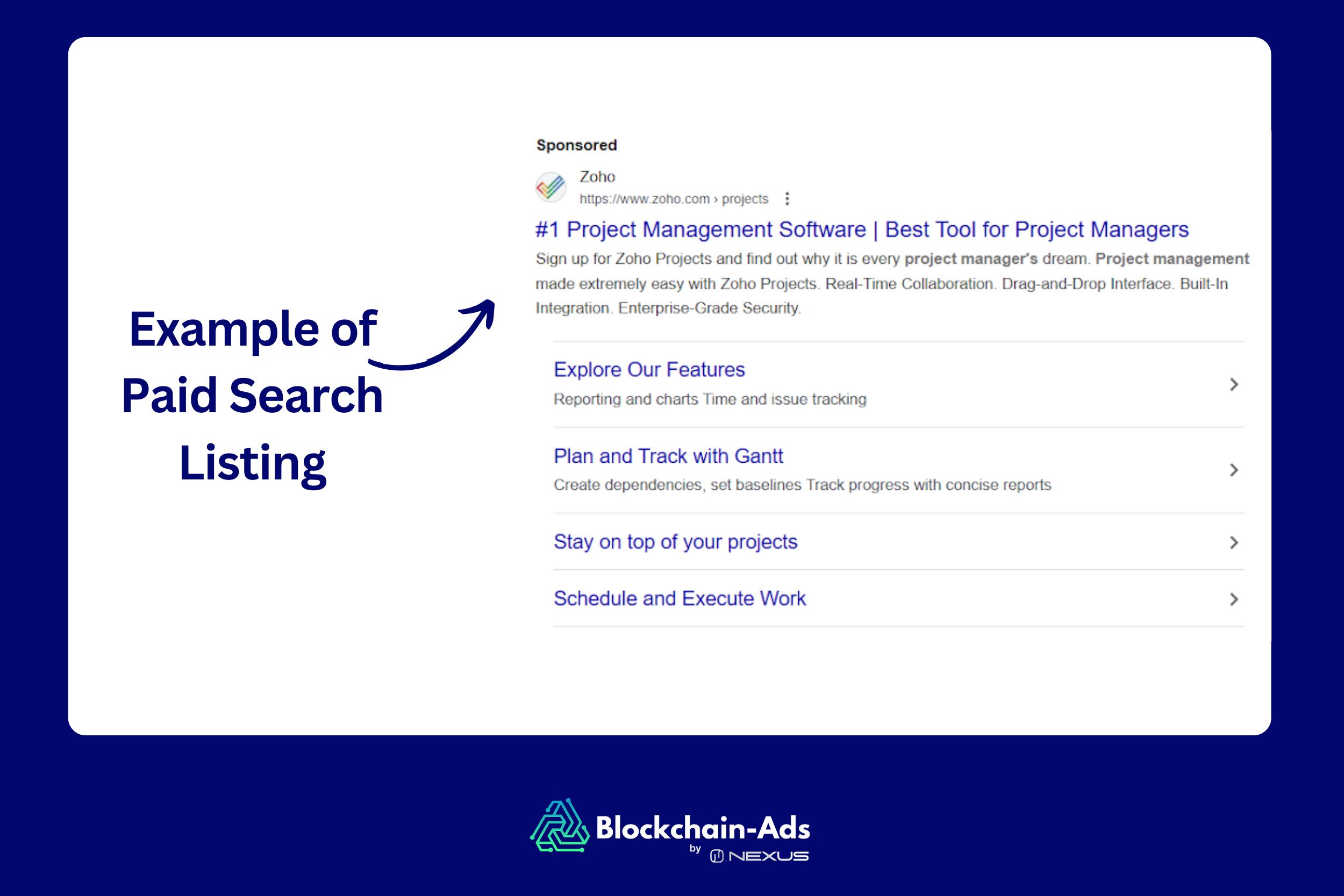
Paid search listing
These are classic text ads that appear in the search results and have an ad disclaimer, title tag and a description. For example, when someone types ‘’best project management software for example, the first few results will usually be ads pointing to companies bidding on that exact phrase.
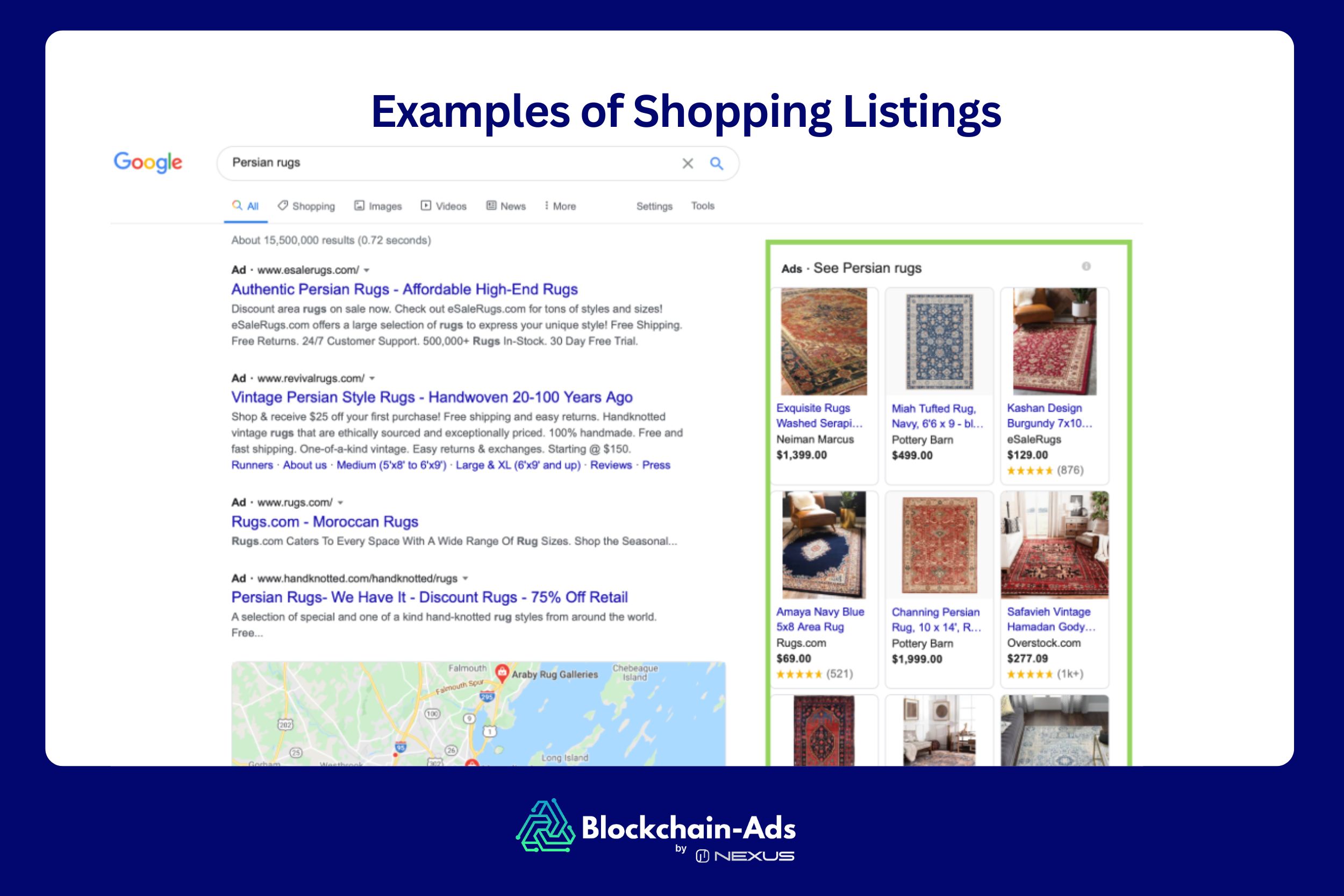
Shopping listings
If your search has a clear intent, for example, Persian rugs under $100, you’ll likely see a row of products at the very top of the page. Each one shows an image, prize, brand name and reviews. In short, they cut straight to the point.
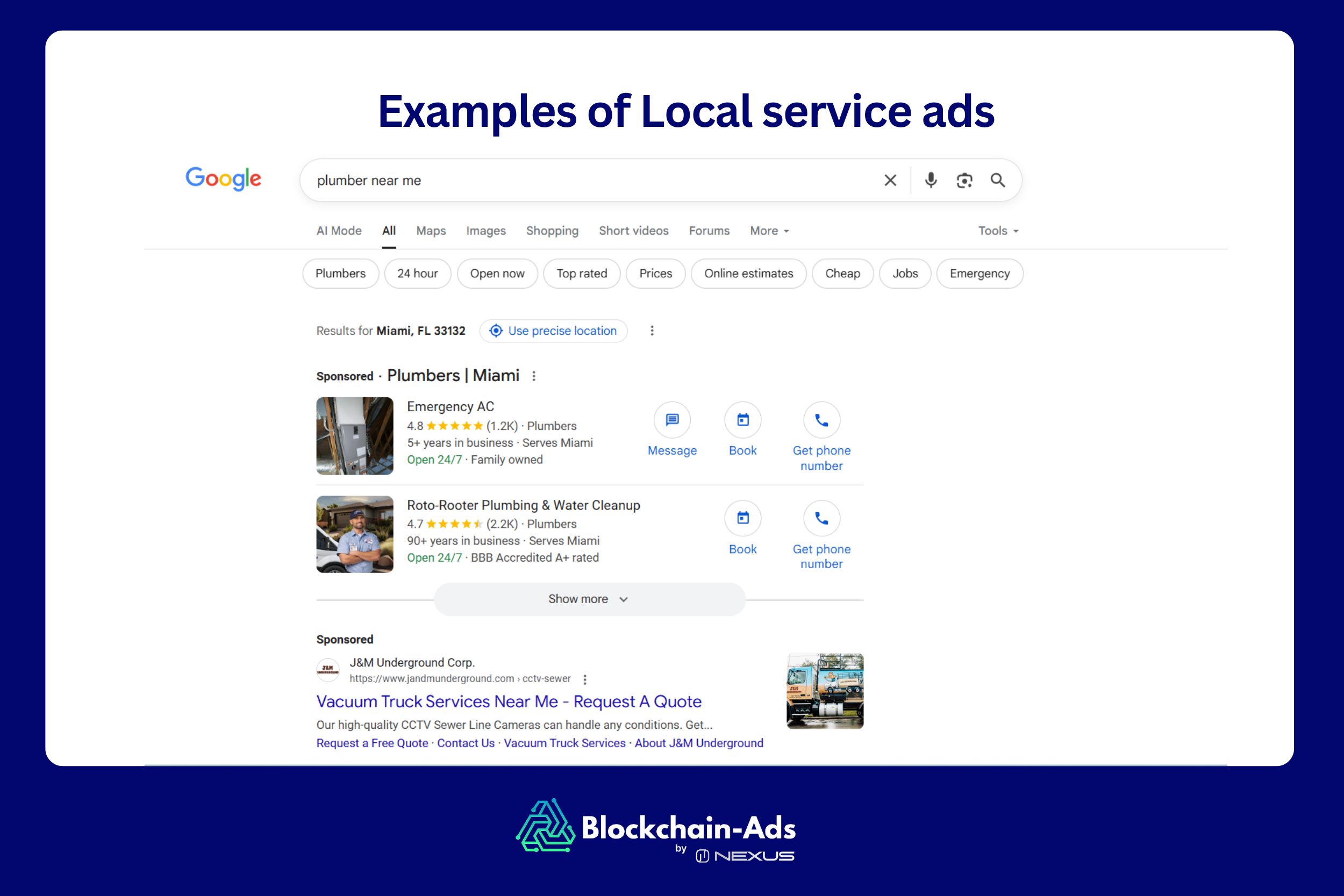
Local service ads
Search for something like ‘’plumber in Los Angeles’’ or roof repair near me’’ and you’ll notice a box of businesses with ratings, phone number and a Google Guaranteed’’ badge. Those are local service ads. They’re built for providers working in specific areas.
How does paid search advertising work?
Before we go deeper into how paid search ads work, let’s clear up some quick terms you’ll run into all the time:
- Impression: Your ads show up on a search result page even if nobody clicks.
- Clicks: This is when a user actually taps your ad.
- CTR (Click-through rate): This is the percentage of impressions that turn into clicks. It’s a good signal of how compelling your ad looks.
- Conversion: The action you want people to take after making that click. It can be buying a product, booking a call, or downloading an app.
- Conversion rate: It is the percentage of visitors who complete that action.
- Average CPC (cost per click): The amount you pay every time someone clicks your ads.
Now, this is how it works:
- Set up your campaign: You can start inside Google Ads or Microsoft Ads. You’ll pick your ad type: text ads, shopping ads, or local service ads. Then, define your audience by things like location, language or device.
- Choose your budget and bids: You will decide the amount you are willing to spend per day. You’ll also decide the amount you’re comfortable bidding for each keyword.
- Pick your keywords: This is where you need a strategy. The goal is to show up for high-volume terms and target searches with intent.
- Write your ad: It’s a must to write a compelling copy and a relevant landing page. The search engine will look at both to decide whether your ad deserves that top spot.
Why is keyword relevance so important in paid search advertising?
If you’re running ads for a vegan restaurant but your ad shows up when someone searches ‘’best steakhouse near me.’’ then that’s a waste of money. Even if you’re at the very top of the page, that click won’t turn into a customer and that’s why keyword relevance is everything in paid search.
Normally, Google won’t reward the highest bidder. It rewards advertisers who match what people are actually searching for. The more relevant your keywords are to your ads and landing page, the higher your quality score. And advertisers with high keyword relevance and better quality scores can pay up to 50% less per click than competitors targeting the same keyword. In short, advertisers want two things:
- Lower cost per click. Google will charge less when it trusts that your ad is useful.
- Better ad positions. Even if your competitors bid higher, a relevant and high-quality ad can outrun them.
How are advertisers charged for paid search?
Paid search usually runs on the pay-per-click (PPC) model. This means you don’t pay for impressions. You only pay when someone actually clicks your ad. The amount you’re charged depends on a mix of your maximum bid and Google’s quality score calculation. To make this easier. Here’s what happens:
- You set the maximum you’re willing to pay for a click.
- Google or any other search engine will look at your ad’s relevance, expected CTR and landing page experience to assign a quality score.
- Your final cost per click is influenced by both.
Why use paid search advertising?
96% of marketers spend a lot of money on search engine campaigns and reports reveal that they spend roughly $200 billion worldwide. Why? Let’s have a quick brief on why advertisers need paid search ads.
Advantages of paid search advertising
Basically, numbers only tell part of the story. Here’s why advertisers keep on pouring money into paid search.
Visibility
When people are searching for a service or product, they’ll not scroll through page three of search results. They’re clicking what they see first. Paid search makes sure your brand is right there when intent is highest. In fact, research shows that 65% of high-intent searchers result in an ad click. This is proof that people see these ads and act on them.
Conversions
Studies show that paid search ads are twice as likely to make a purchase compared to organic visitors. Why? Because people are already searching for a solution and you’re simply making it easier to find you. This means every dollar has a direct line to revenue instead of only awareness.
Flexible and scalable growth
It doesn’t matter if you have $500 to test or $50,000 to scale because paid search actually adapts. You can start small, measure performance and progress based on what’s working. The system is actually measurable from impressions, clicks and conversions, to cost per acquisition. This means you’re never guessing where your money is going. That scalability is why small startups and big brands rely on it to fuel growth.
Disadvantages of paid search advertising
Paid search has some cons as well. Remember, for every business that scales quickly, there is another one that burns through its budget without seeing results. Below are some of the downsides you need to factor in.
Cost can be high
Highly competitive keywords like insurance, lawyer, or software can cost upwards of $50 per click. This means if you’re not tracking performance tightly, your ad spend can vanish in days even without a single sale.
Results vanish when the budget is depleted
Unlike SEO which keeps traffic flowing for months, paid search is strictly pay-to-play. Once you pause that campaign, then visibility will disappear instantly.
Clicks don’t always equal customers
Not every click is valuable. Accidental clicks, competitors looking around or people researching can drain your budget. In fact, according to industry reports, click fraud is estimated to cost advertisers over 80 billion annually.
Planning a paid search advertising strategy
Running paid search ads without a plan is a big mistake. You’ll spend money without seeing results. A strong strategy gives your campaign structure and ensures every buck is working towards real business goals. Here’s how to set the foundation.
1. Define Clear Goals
Before you touch keywords or ad copy, it is important to decide what success looks like. You need to be clear if you want to generate leads, drive sales, or increase brand visibility. For example, according to Google, businesses earn an average of $2 in revenue for every $1 spent on Google Ads but that ROI only happens when campaigns are tied to specific measurable objectives.
2. Perform Keyword Research
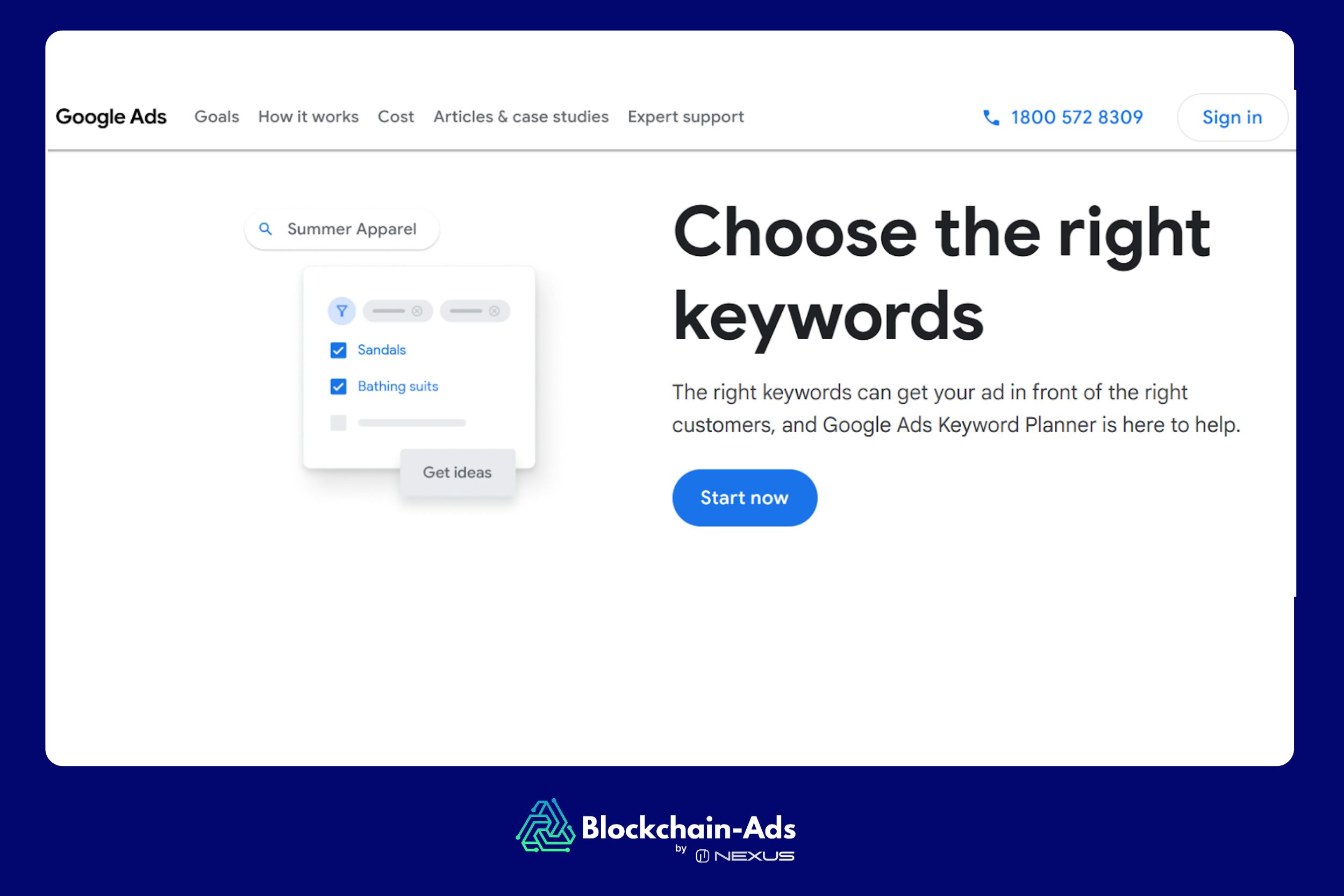
Keywords are everything when it comes to paid search. The goal is to grab the most popular terms while finding the ones that connect to real buyer intent. Google Ads makes this easier, thanks to its built-in tool called Keyword Planner. The tool gives you data on average monthly searches, competition levels and bid estimates.
This makes it easier to balance high-volume search terms with long-tail keywords with lower competition but stronger conversion potential. For example, you might use ‘’best sandals’’ as a keyword because they get millions of searches but ‘’best sandals for walking long distances may actually bring in the customer ready to buy.
3. Understand Your Target Audience
Not everyone searching is your customer. Paid search works best when you tailor ads to a specific segment. This can mean adjusting bids based on location, device or time of day. According to reports, personalized marketing can improve click-through rates by up to 200%. This is proof that ads resonate more when they match who’s searching.
4. Optimize Landing Pages
Getting the click is only half the job. That’s okay. However, if the landing page loads slowly or doesn’t align with the ad promise, then people will bounce back. Google research shows that a one-second delay in page load can drop conversion by 20%. This means that your ad can be perfect but without optimized pages, you’ll burn through the budget without results.
5. Set a Realistic Budget
Paid search is flexible. But this does not mean it’s unlimited. You can start by calculating your maximum cost per acquisition (CPA). If your average customer is worth $300, for example, you don’t want to spend $150 just to acquire them. Many successful businesses start small, test results and scale only after identifying which keywords and ads actually deliver ROI.
6. Leverage Ad Extensions
Extensions are extras that actually make ads stand out. These can be things like phone numbers, site links or customer ratings. You can use features like sitelinks and image assets to give you more information on what is essential. According to Google, businesses that use extensions can increase click-through rates by 5% on average. They basically give searches more reasons to choose you over competitors and the best part is that you don’t pay extra to add them.
7. Integrate paid search with programmatic and Blockchain-Ads
As your search campaigns mature, you will often hit limits on impression share or see CPAs rise for your best keywords. This is where layering programmatic advertising and platforms like Blockchain-Ads becomes important. With Blockchain-Ads, you can retarget search engagers and reach lookalike audiences across smart display, native, video, mobile, and CTV. This helps you keep CPAs in check, scale beyond the SERP, and maintain blockchain-verified attribution across channels, especially in regulated industries.
How to get the top position in paid search advertising
The top spot on a search engine is where the clicks live. In fact, the first ad position can earn you nearly four times more clicks than ads in lower positions. But getting there isn’t a walk in the park. It’s a mix of smart bidding and optimization. Here are a few simple tips to help you get that top spot:
Understand how bidding works
Paid search runs on an auction system. Every time someone searches, advertisers who bid on that keyword will enter a real-time auction. Your maximum bid, therefore, sets the standards for what you’re willing to pay per click. Higher bids basically increase your chances of winning premium placement. But that isn’t the only factor. Google will also weigh quality score, which is a mix of ad relevance, expected click-through rate and landing page experience.
Match bid to business value
Tie your bids to the actual value of a customer. For example, if one product line brings in $500 per sale while another averages $50, you can afford to bid more aggressively on the high-value product. That way, you’re after chasing clicks and the profitable ones.
Use bid adjustments
Search engines allow you to tailor bids based on factors like location, device, or time. If your ad performs 30% better on mobile during evening hours, for example, you can set higher bids for those conditions. The goal is to maximize visibility where conversions are most likely.
Focus on quality
Even if your competitors bid higher, you can still outrank them with a better quality score. Google rewards ads that deliver a strong user experience. This means you need the right keywords, relevant ad copy and fast-loading pages.
Keep testing
Securing a top spot is an ongoing process. You need to continuously test ad copy, refine keywords and monitor performance. Sometimes, small tweaks can lift your quality score enough to edge out competitors.
Paid search advertising benchmarks
Benchmarks come in when you want to know if your paid search campaign is actually working. They give you the average idea of what performance looks like across the industry. These include:
- Click-through rates (CTR): The average CTR across Google Ads is usually 3-5%. In some industries like travel or e-commerce, you might see much higher CTRs.
- Cost per click (CPC): This one depends on your niche. For broad e-commerce searches, CPC can be around $1-$2. But in high-competition fields like insurance or law, clicks can cost $50 or more.
- Conversion rates (CVR): Search ads convert around 4% on average across industries. But again, this varies. If you work on quality score, you can beat the average.
- Return on ad spend (ROAS): A common benchmark is aiming for at least 3:1 ROAS. But for high-margin products, the ratio can be much higher.
Paid search advertising platforms
Paid search is usually supported by different platforms. Your choice will depend on your audience, budget and goals. Here is a brief of a few giants in the room.
Google Ads
.png)
Google processes over 9.5 million searches every minute. This means almost every audience you can think of is hanging out here. Google Ads offers several formats such as text search ads, shopping ads, display ads, YouTube ads plus highly advanced targeting. A disadvantage with this platform is that competition is high. High-demand keywords can also be expensive.
Microsoft Advertising
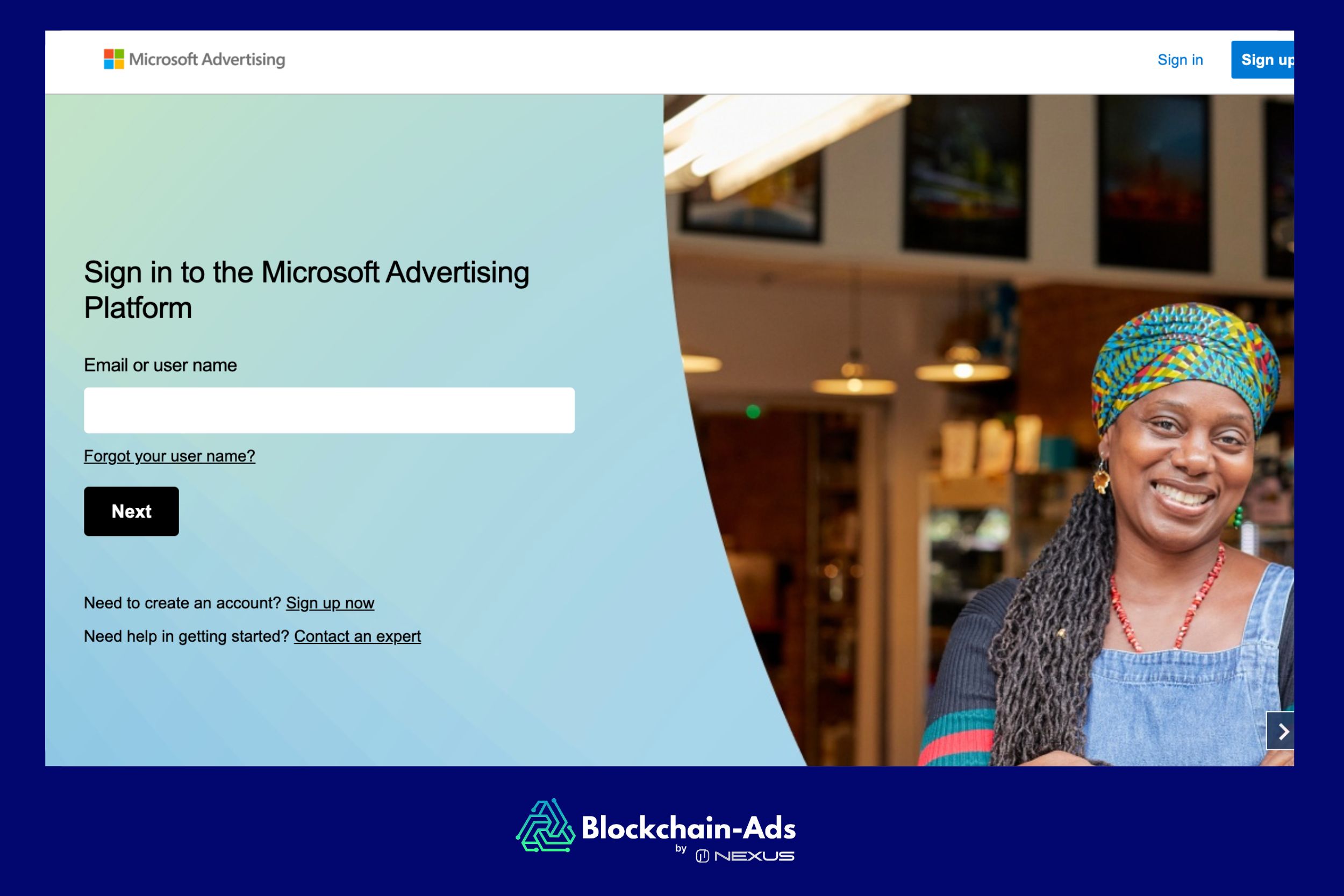
Bing and other Microsoft-owned search properties still handle over 724 million unique monthly visitors. The best thing about Microsoft ads is the cost. CPCs are usually lower than Google's sometimes by as much as 30%-40%. The flip side is less volume but if your business targets a B2B audience or higher-income households, then Microsoft advertising can deliver quality leads at a better price.
Amazon Ads
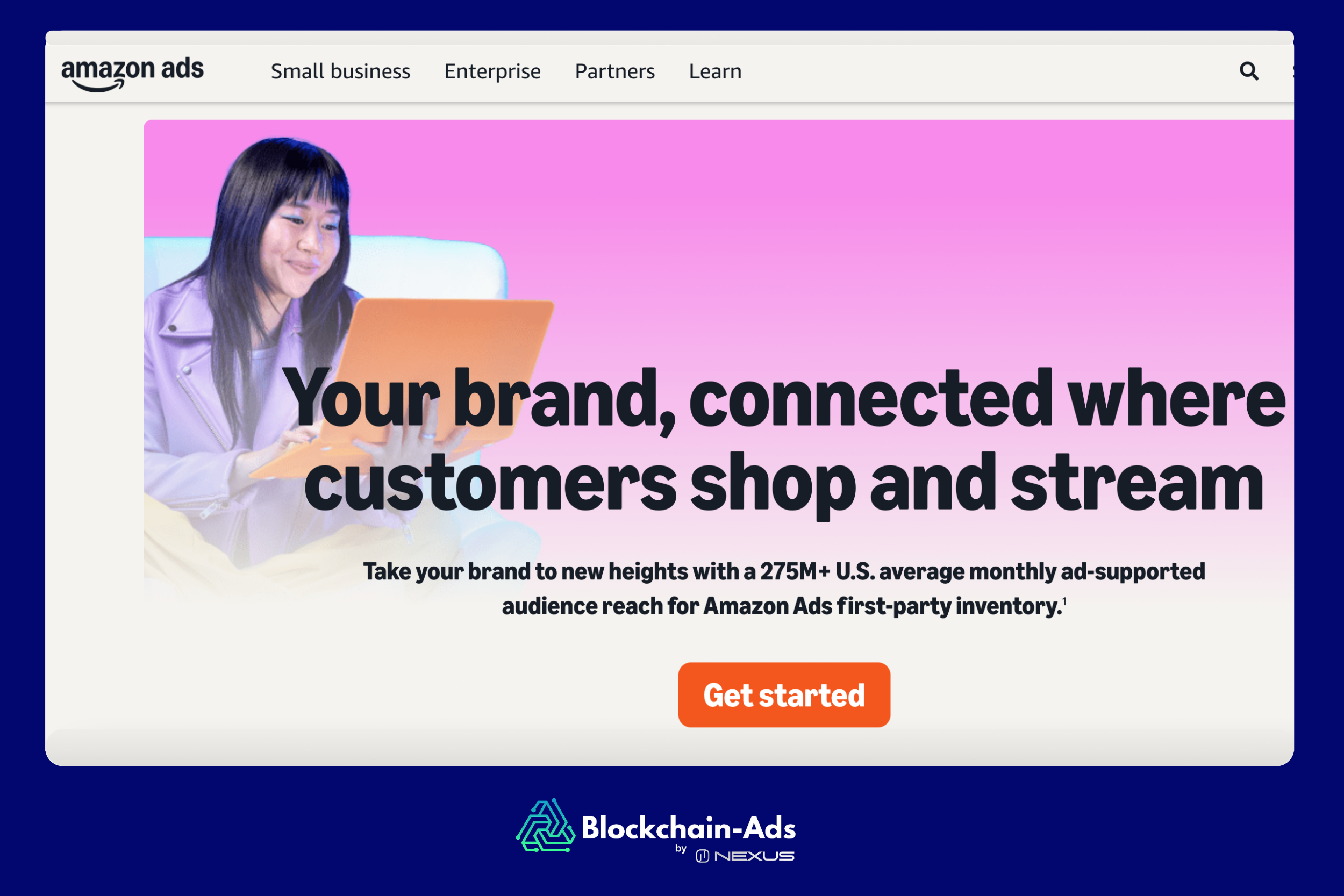
If you’re selling products, Amazon is perfect. More than 60% of U.S consumers start product searches directly on Amazon. This means you’re meeting buyers at the exact moment they’re ready to shop. Sponsored product ads, brand ads and display ads all give you ways to boost visibility on the marketplace. The platform is basically less about general awareness and more about sales-driven advertising.
Should you hire a digital agency for paid search advertising?
Paid search marketing is not that complicated. However, it does get technical fast. Remember, you’re doing keyword research, bidding strategies, ad copy testing and conversion tracking. If you have the time and someone in-house with experience, you can absolutely manage campaigns yourself.
But many businesses consider agency for one reason: Efficiency. Agencies are well-conversant with these platforms. They know the bidding tips, they test faster and usually spot waste in a budget quicker than an in-house individual would. On average, businesses that work with experienced PPC agencies see 20-30% better ROI simply because campaigns are better optimized.
Some brands also pair agencies or in-house teams with a dedicated performance stack like Blockchain-Ads, using the platform for advanced audience targeting, and AI optimization, while keeping search strategy in-house. This hybrid approach can combine channel expertise with a stronger technology layer.
What is the future of paid search advertising?
Paid search isn’t going anywhere. It’s only changing shape. The way people search, the device they use and the technology behind the ads are all evolving and that means strategies will have to evolve too.
One of the biggest shifts is automation and AI in bidding. 77% of marketing leaders already use Platforms like Google Ads for push automated bidding strategies where algorithms decide how much to bid in real time based on several signals like device, location, time of the day or even user behavior. This improves campaign management. It also means giving up some control to the platform.
Then, there’s the rise of voice search. With smart speakers and mobile assistants, more people are asking questions instead of typing them. And by 2026, voice-based searches are expected to make up over 50% of all searches. This changes the nature of keywords. Instead of short terms like ‘’cheap flights, it can be more conversational ones like ‘’Where can I find affordable flights to New York next weekend?’’
Alternatives to paid search advertising
While paid search is powerful, it is not the only way to get your brand in front of the right audience. Below are strong alternatives worth considering.
Programmatic advertising
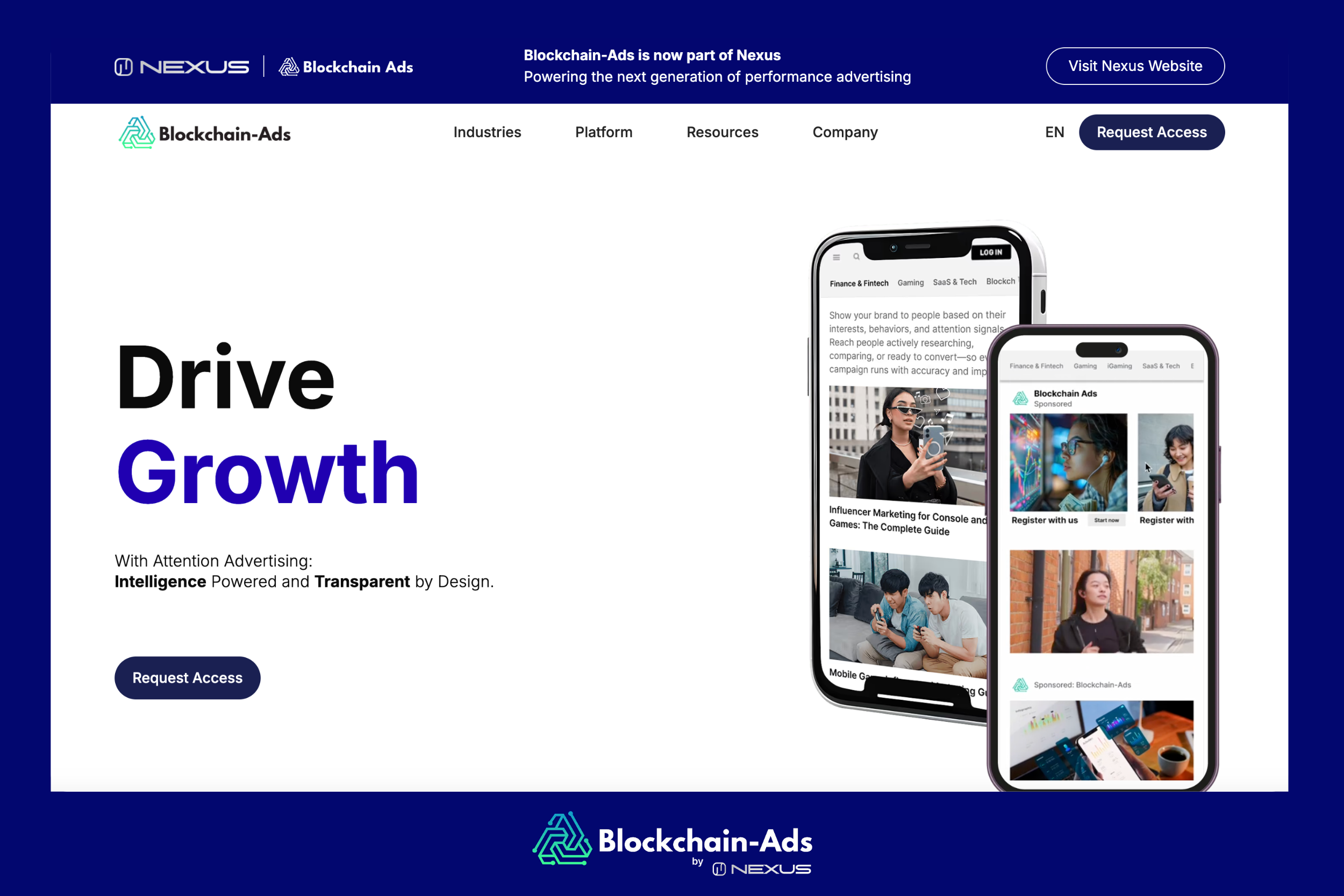
Programmatic advertising automates buying ad inventory across websites, apps, and video content in real time. Instead of bidding only on keywords, you bid on audiences and placements based on demographics, behavior, context, and more.
Many advertisers using programmatic report higher efficiency and, in some cases, strong conversion rates when campaigns are well targeted and measured properly. The main advantage is scale and the ability to reach users throughout the customer journey, not just when they search.
How Blockchain-Ads enhances programmatic
Blockchain-Ads takes programmatic principles and layers on three core advantages: transparency, control, and attention. It combines a demand-side platform (DSP), audience targeting, AI optimization, and analytics into one stack designed for performance and regulated industries.
Key capabilities include:
- around 1,000 pre-built audience segments and over 420 million profiles, including on-chain behavior for crypto, DeFi, gaming, RWA, and other niches.
- Blockchain-verified attribution and on-chain transaction tracking to prove which impressions and clicks led to actual conversions.
- Cookieless tracking via decentralized IDs, helping you navigate a world with fewer third-party cookies.
- Smart display, native, video, in-app, mobile, and CTV/OTT formats for full-funnel coverage.
For teams already running paid search, Blockchain-Ads is a natural next step to:
- Retarget search visitors across the open web and CTV.
- Build new prospecting audiences based on on-chain and behavioral signals, beyond what Google or Microsoft alone can see.
- Maintain clarity and compliance for finance, gaming, crypto, and other regulated verticals.
Paid social advertising
Social media is no longer for likes and followers anymore. It’s one of the most effective paid channels available. In fact, businesses worldwide are projected to reach $275.98 billion on social ads by the end of 2025 and that number will keep increasing because people practically live on these platforms.
The good thing is that paid social lies in precision and engagement. Platforms like Facebook, Instagram, TikTok and LinkedIn collect detailed audience data: Age, interests, job roles, shopping habits and even what kind of content people interact with. That means you can put your product in front of exactly the type of person who’s most likely to care.
Furthermore, paid social ads can be extremely cost-effective. Average CPM (cost per thousand impressions) on Facebook often runs between $12-$20. This is much lower than competitive search keywords in industries like finance or law.
Conclusion
Indeed, paid search advertising is one of the most reliable ways to get in front of people who are already looking for what you offer. To succeed in this marketing, you need clear goals, the right keywords, an optimized landing page and a budget that actually matches your ambitions. When done right, paid search ads can deliver measurable results that a few other channels can match.
FAQs
How is paid search advertising different from traditional advertising?
Traditional ads like TV spots, billboards or print broadcast your message to anyone who sees them. Meanwhile, paid search is intent-driven. Your ad will only show when someone is actively searching for something related to your business.
How does display advertising interact with paid search?
Display ad and paid search complement each other. Search captures people with immediate intent. Display ad builds brand awareness across the website and apps. If you use them together, display will warm up an audience and search can close the deal when they’re ready to take action.
Can you promote a product launch with paid search advertising?
Yes. Paid search is a powerful way to capture attention during a product launch. You only need to target keywords around your new offering and you can appear at the top search result right when curiosity is highest.