



Alcohol Advertising Examples


Heading
- Cointelegraph Formula offers various ad formats to 8 million monthly readers across 190+ countries, leveraging its trusted name in crypto.
Effective alcohol advertising is not about being the loudest brand at the bar. It is about becoming the default choice in moments that matter while staying 100% compliant with age and responsibility rules. The fastest way to get there is to stop guessing and start copying what already works.
This article breaks down 10 successful alcohol advertisements into actions, channels, and outcomes to show how companies translated a concept into sustained trial, repeat purchase, and measurable ROAS. You will see how they used distinctive assets, packaging, in‑bar activations, and character‑driven storytelling to build mental availability without crossing regulatory lines.
What Is Alcohol Advertising?
Alcohol marketing is a strategic approach that alcohol companies and distributors use to communicate the existence, nature and attributes of their products to the public. These include adverts on billboards, on TV, print layouts and digital campaigns.
The goals of these advertising efforts are simple:
- To build brand awareness
- Influence consumer preference
- Drive sales
However, the biggest challenge is the legal part of it. Alcohol marketing is bound by voluntary industry codes and government regulations to ensure responsible consumption.
In the U.S., the primary self-regulatory code is set by the Distilled Spirits Council of the United States (DISCUS). It is the standard every major company follows. The primary rule is simple: placement matters. Ads must only run where at least 71.6% of the audience is of legal drinking age (DISCUS).
The Federal Trade Commission (FTC) also monitors ad claims for truthfulness whereas the Alcohol and Tobacco Tax and Trade Bureau (TTB) manages labeling and taxation.
Why Effective Alcohol Advertising Matters
With a market valued at over $2.4 trillion in 2024 and projected to grow to $3.8 trillion by 2032, a well-executed campaign will deliver measurable results. Here’s why effective alcohol advertising matters in 2025-2026:
- It delivers measurable sales growth: You need campaigns that do more than look pretty. We’ve seen specialized digital alcohol ads achieve an average of 7.8x ROAS for alcohol brands. That ROI is only possible when you start targeting verified high-intent consumers.
- It boosts engagement across channels: Campaigns with humor, storytelling or experiential elements will increase social engagement. Tanqueray’s Bridgerton campaign drove a 42% lift in engagement across their social channels—that is your measurable interaction.
Types of Alcohol Advertising Channels
To succeed in alcohol advertising, you need a comprehensive strategy that combines traditional and digital channels. These include:
1. Broadcast & print: These are TV, radio and high-gloss magazine spreads.
2. Out-of-Home (OOH): OOH alcohol campaigns include billboards and transit ads. They’re excellent for establishing visual identity and longevity.
3. Sponsorships & events: Events, sports leagues and music festivals allow brands to integrate directly into the social context of consumption. The goal here is the association and memory.
4. Experiential marketing & Point-of-Sale (POS): These are direct engagements like the Guinness ‘’Stouties’’ bar activation. They help turn a single purchase into a memorable and shareable experience.
5. Digital & programmatic: This is where the industry is seeing the most effective targeting. Digital platforms allow brands to specifically reach legal-age users (often 21+), segmenting based on behavior, location and interest. This is important for getting the right message to the right person at the right time.
One of the best digital & programmatic platforms is Blockchain-Ads. The platform uses advanced data intelligence to identify and engage legal-aged audiences where their attention is highest. Moët Hennessy used Blockchain-Ads which influenced $58M+ alcohol sales and 7.8x ROAS in just 180 days.
Top Iconic Alcohol Advertising Examples
The brands in these examples achieved effective advertising through bold creativity, consistency, and authentic storytelling that attracted loyal buying customers.
Absolut Vodka – “The Absolut Bottle” print campaign and creative longevity.
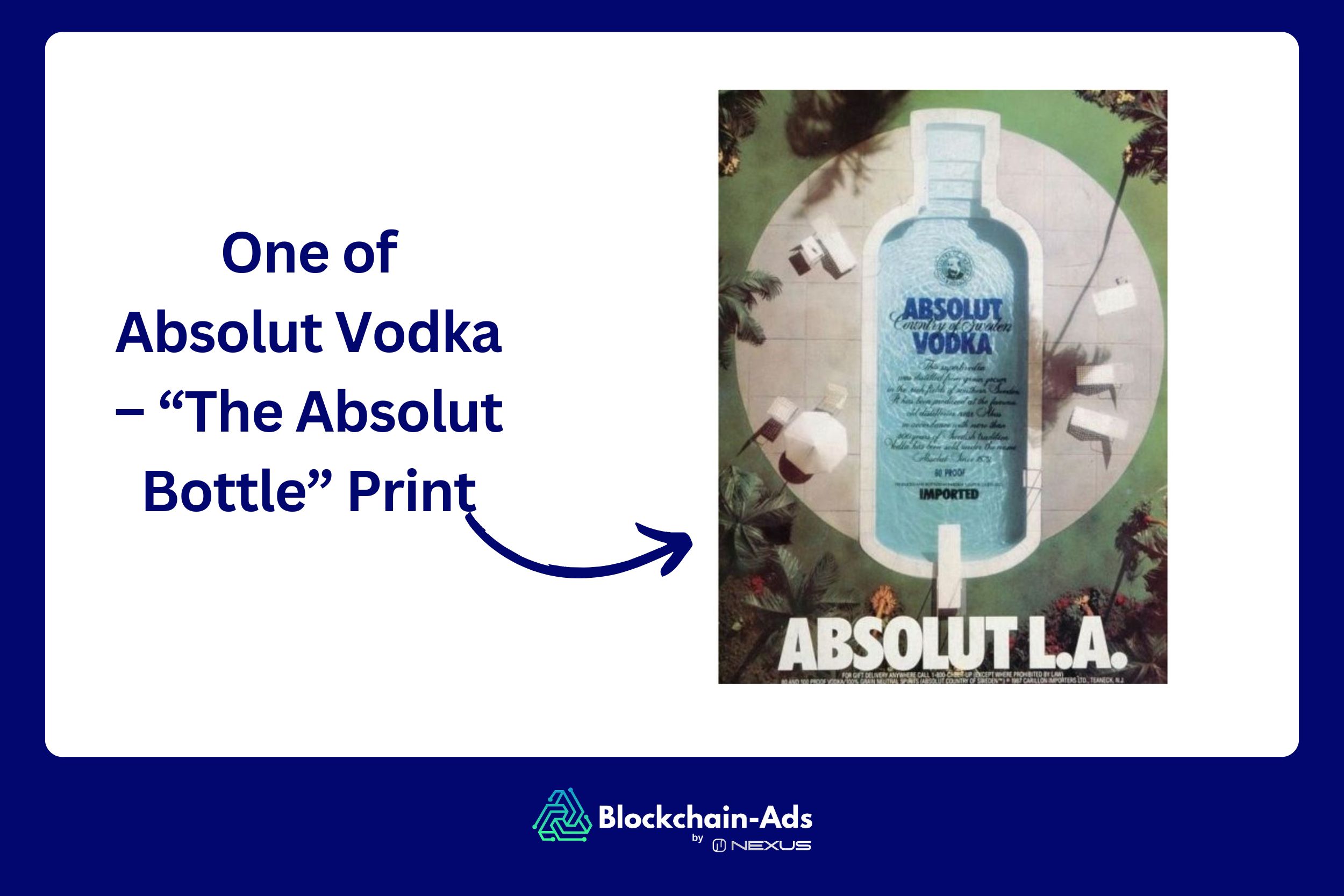
In 1980, Absolut launched simple ‘’Absolute Perfection’’ print alcohol ads. It featured a unique bottle silhouette with a nice headline. This same idea was repeated, adapted and extended into over 1,500 different print executions over two decades. The campaign helped increase US sales from 10,000 cases to over 4.5 million cases annually by 2000.
Why it worked:
- The product's distinct shape was the creative idea itself.
- The silhouette became instantly recognizable without needing the logo.
Guinness – “Looks Like Guinness” nostalgia-driven TV ads and pub support.
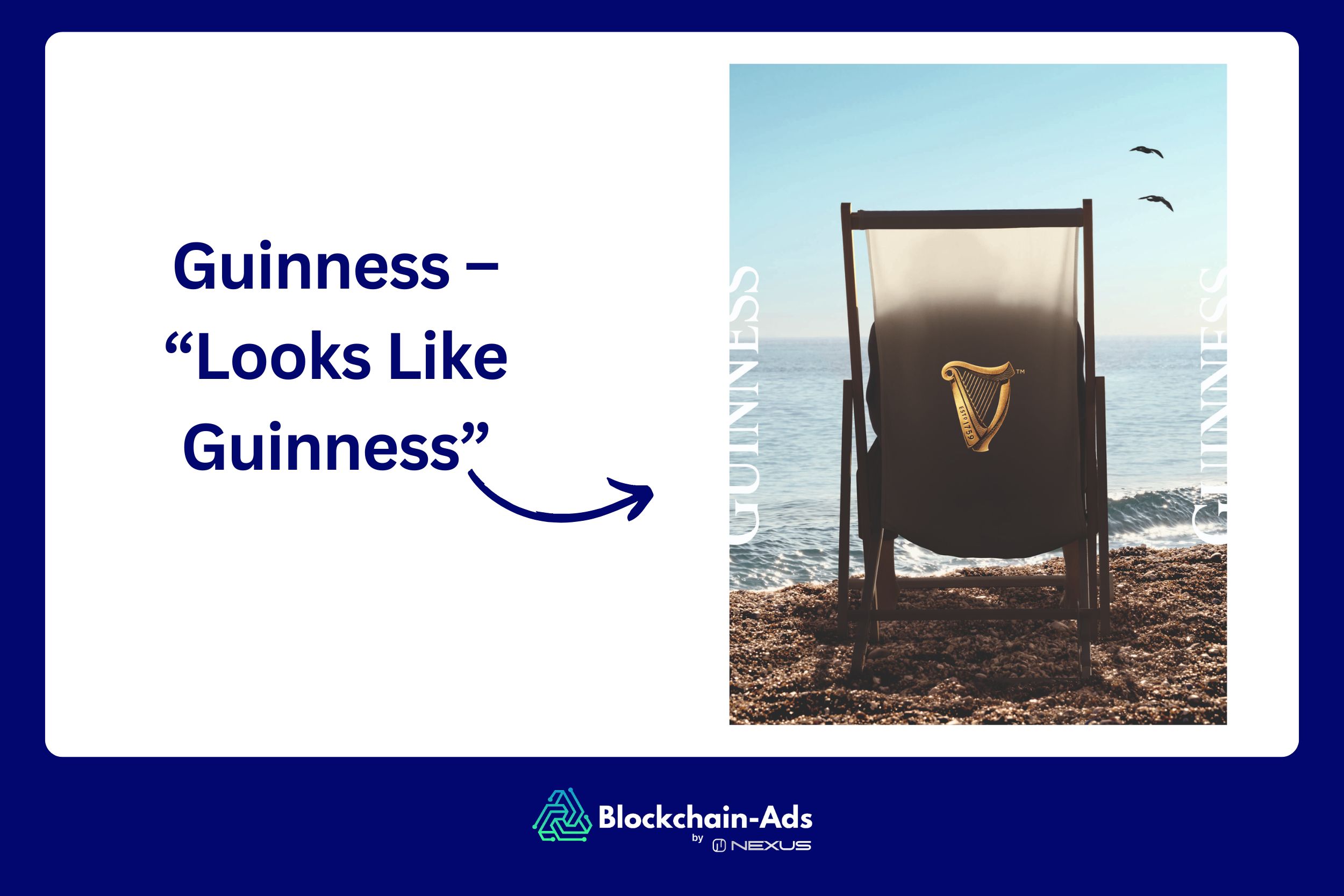
The ‘’Look Like Guinness’’ campaign used stunning photography of everyday scenes (a wave crashing, foam settling on a cup of coffee, or a deck chair on a sandy beach). When viewed from the right angle, all share the iconic two-part look of the black stout and its creamy white head.
Why it worked:
- Performance OOH linked high-impact brand advertising to physical and high-value conversion points (the pub).
Smirnoff – “We Do We” diversity-and-inclusion global campaign.
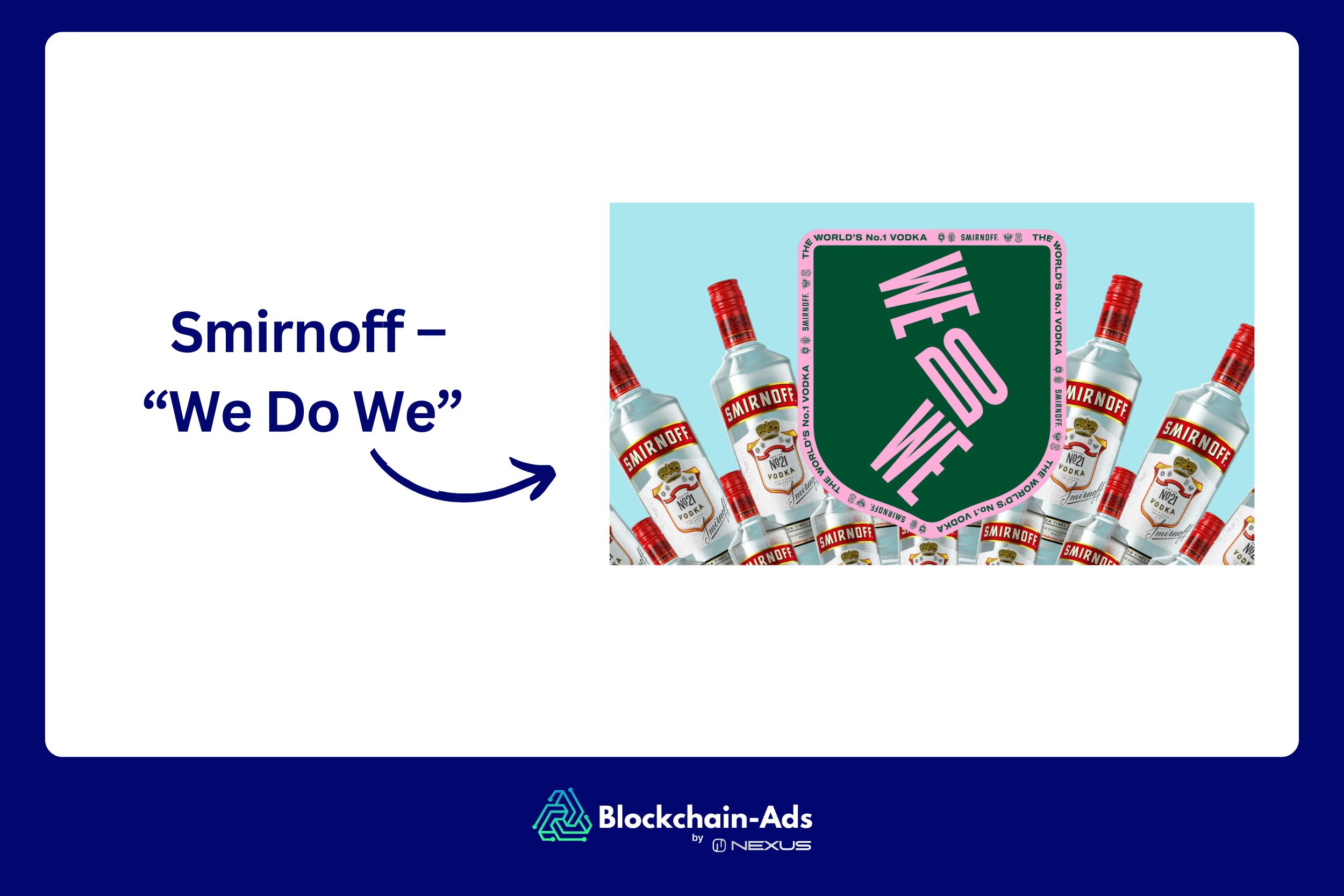
Launched in 2023 across over 20 countries, Smirnoff’s ‘’We Do We’’ campaign celebrated cultural diversity and inclusion. It focused on music, parties and social events. The campaign featured ads on social media, digital video and out-of-home (OOH) channels and generated 50M+ social impressions.
Why it worked:
- Visual authenticity made the diversity message credible
Jameson – “Must Be a Jameson” storytelling ads with Cillian Murphy.
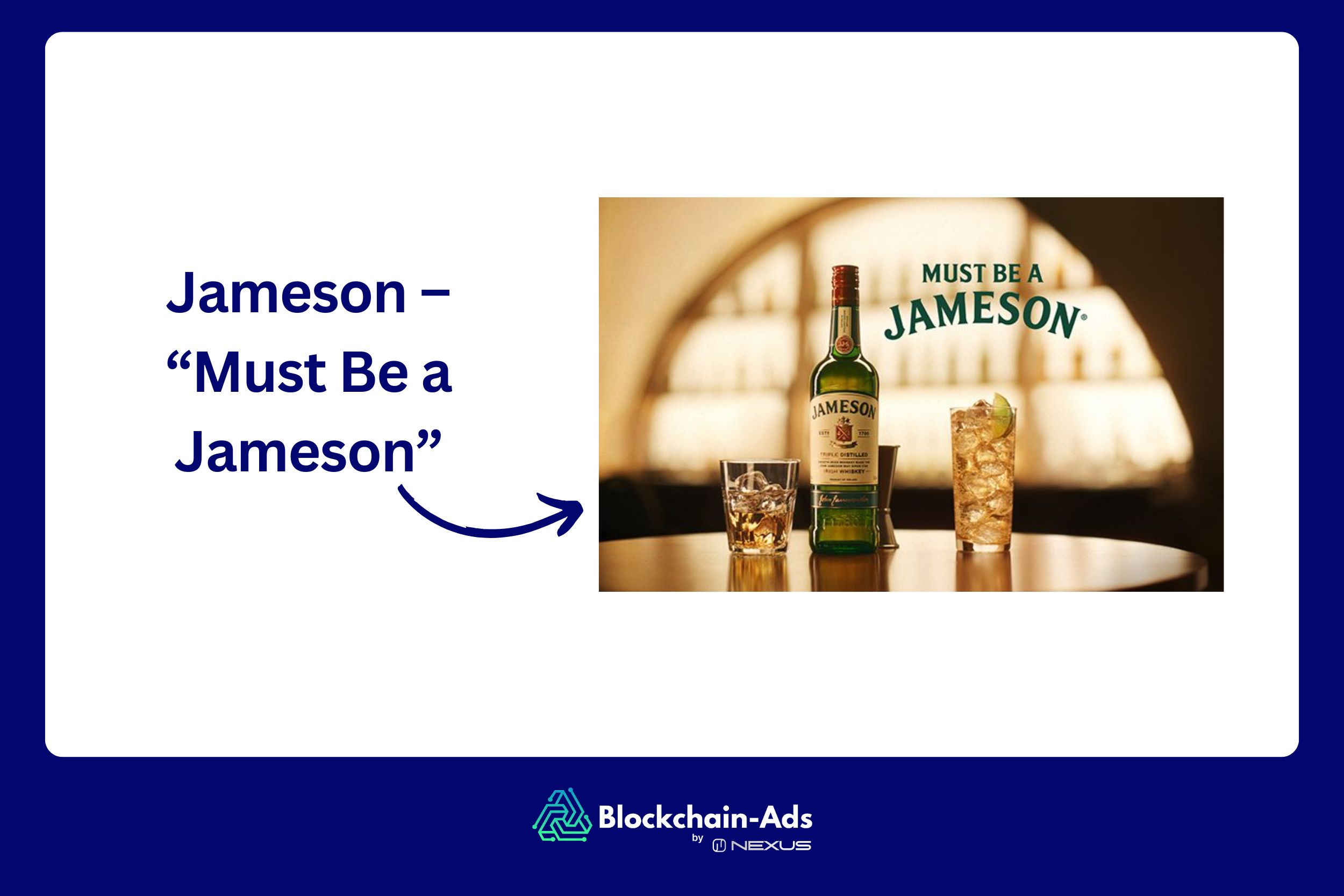
In November 2023, Jameson launched a campaign that used humor and relatable storytelling with Cillian Murphy. The Irish actor focused on showing everyday scenarios where whisky fits naturally. It also featured characters like Suave Jose and Julia and rolled out across TV, OOH, DOOH, digital and social channels.
Why it worked:
- Brand storytelling made the brand feel approachable and welcoming.
- The phrase Must Be a Jameson provided a simple, aspirational brand identity.
Kopparberg – “To Firsts That Last” celebrating first-time experiences.
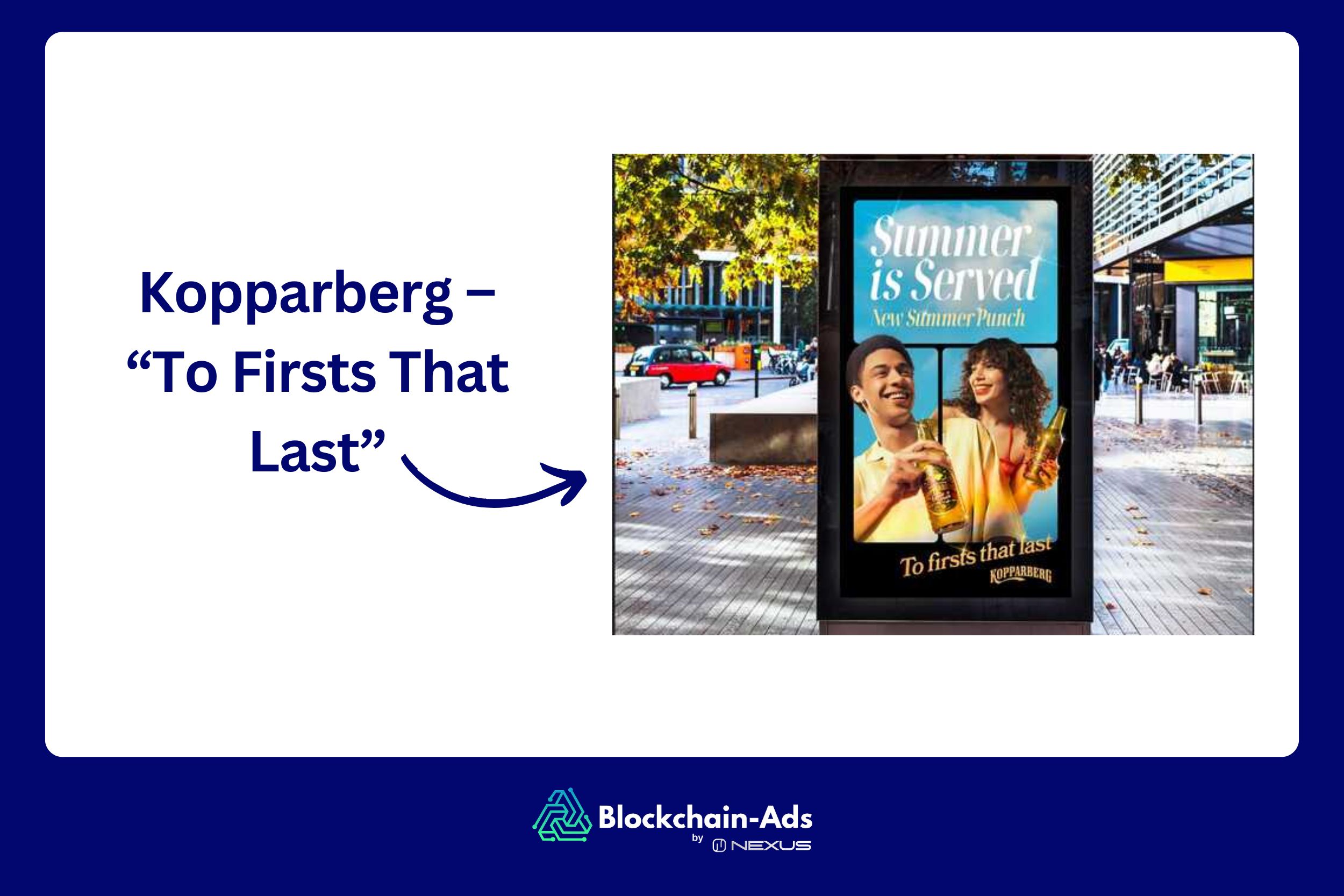
Kopparberg’s ‘’To Firsts That Last’’ campaign was launched in May 2021. It was the brand’s largest ever campaign, featuring 60-second TV spots and digital and outdoor activities. These included Snapchat and Spotify ads showing the brand's gin and vodka range. This large-scale effort successfully drove significant brand uplift and supported the launch of their broader fruit-flavored portfolio.
Why it worked:
- The broad portfolio launch was versatile enough to launch and lift multiple new spirits and cider lines.
- Used integrated media for impact but tied it into hyper-relevant digital spaces (Snapchat, Spotify).
Kahlúa – “Stir Up” telenovela-inspired spots with Salma Hayek.
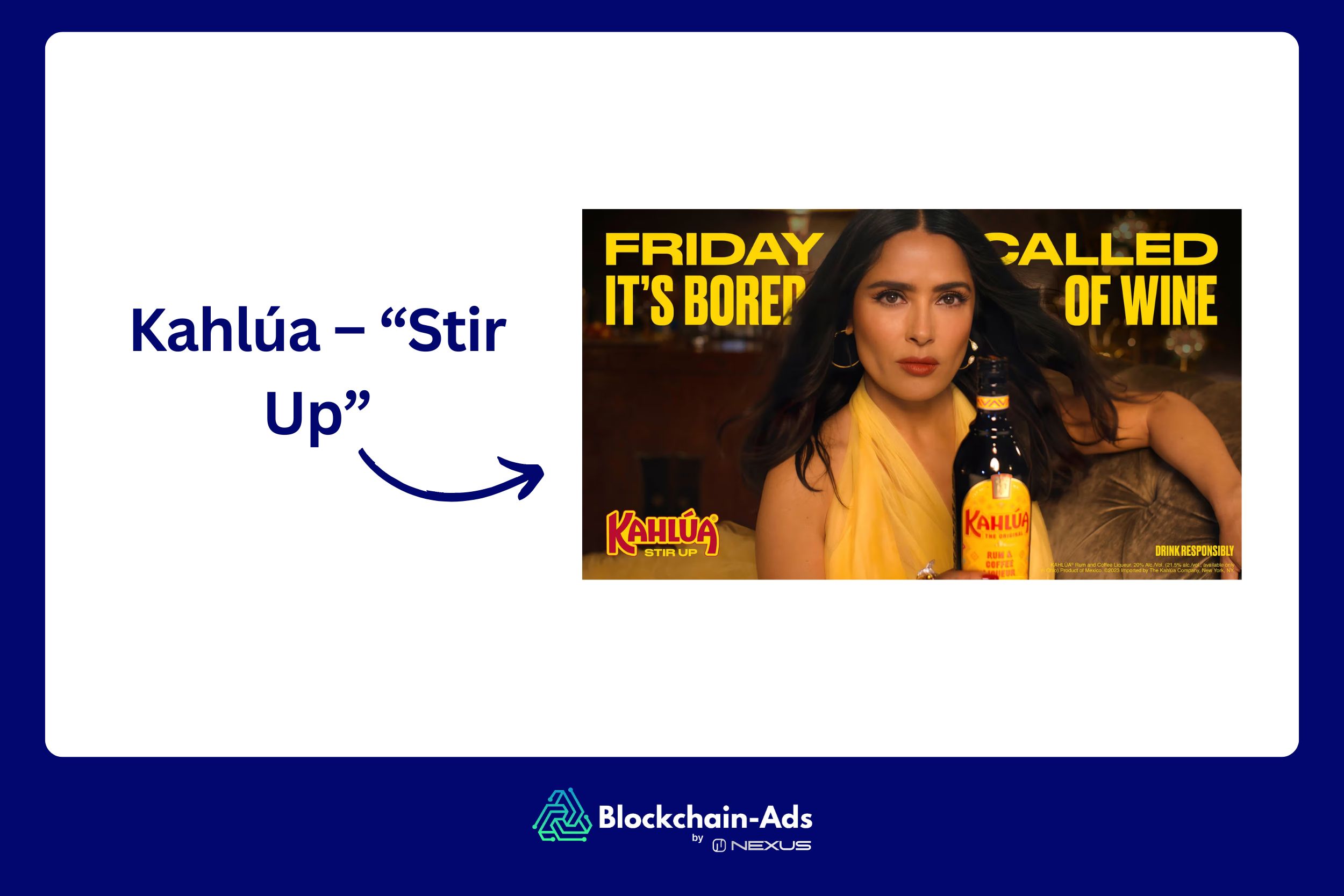
Kahlúa collaborated with Salma Hayek for a mini-series of telenovela-style ads called ‘’Stir Up.’’ The short episodes ran on TV, YouTube and social media, giving viewers a humorous, romantic and cocktail-making moment. The campaign successfully encouraged consumers to view Kahlúa as an everyday indulgence. This led to a strong business impact as Kahlúa sales grew by 13.8%+.
Why it worked:
- Engaging brand storytelling retained attention
- Celebrity involvement increased credibility and appeal
Heineken – “Growing The Apple Cider By Miles” sustainability launch.
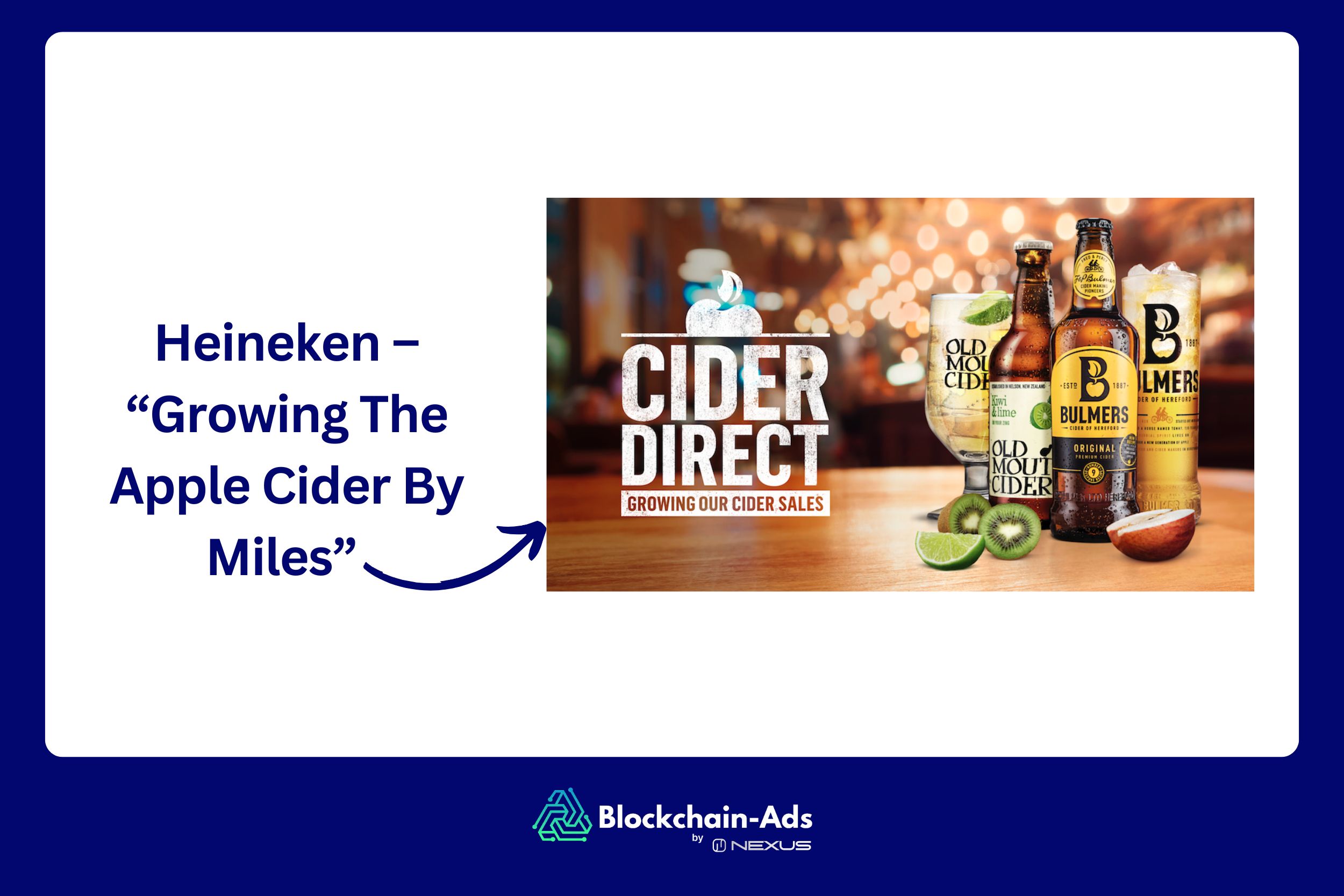
When Heineken launched Inch’s Cider in 2021, the entire Growing The Apple Cider by Miles campaign centered on its commitment to sustainability. They sourced apples within 40 miles of the mill to repurpose all apple waste into green energy. This message was pushed via Heineken’s biggest media campaign launch ever.
The result of this campaign was a 9.2% increase in sales in the struggling cider category, of which 45% of Inch’s sales came from consumers who were previously non-cider users.
Why it worked:
- The focus on sustainability was backed by real operational change (Apple sourcing, waste-to-energy).
- The messaging successfully appealed to new consumers and this proved that authenticity drives market expansion
Dos Equis – “The Most Interesting Man in the World” character-driven humor.
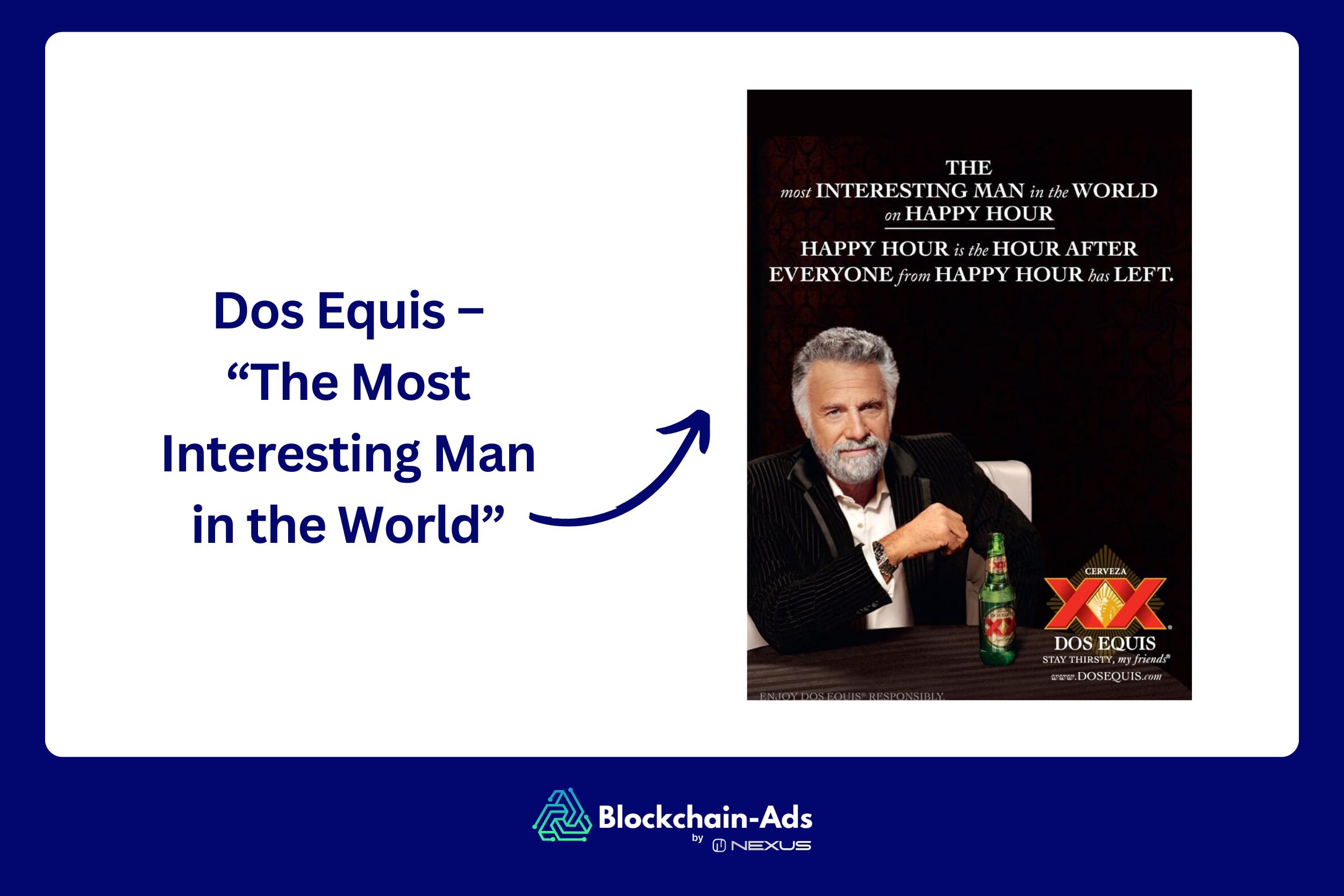
The Most Interesting Man in the World campaign ran from 2006-2016. It featured actor Jonathan Goldsmith’’— a unique gentleman with humorous feats (‘’He once had an awkward moment). The sign-off—’’ Stay thirsty, my friends’’—became a popular internet meme. It ran across TV, digital, and print channels for over a decade. This approach became instrumental in the market performance, making the U.S. sales for Dos Equis to triple between 2006 and 2010.
Why it worked:
- Used an aspirational character that consumers desired to associate with
- Running the same creative alcohol ads drove brand loyalty and differentiated Dos Equis
Johnnie Walker – “Keep Walking” global motivational branding.
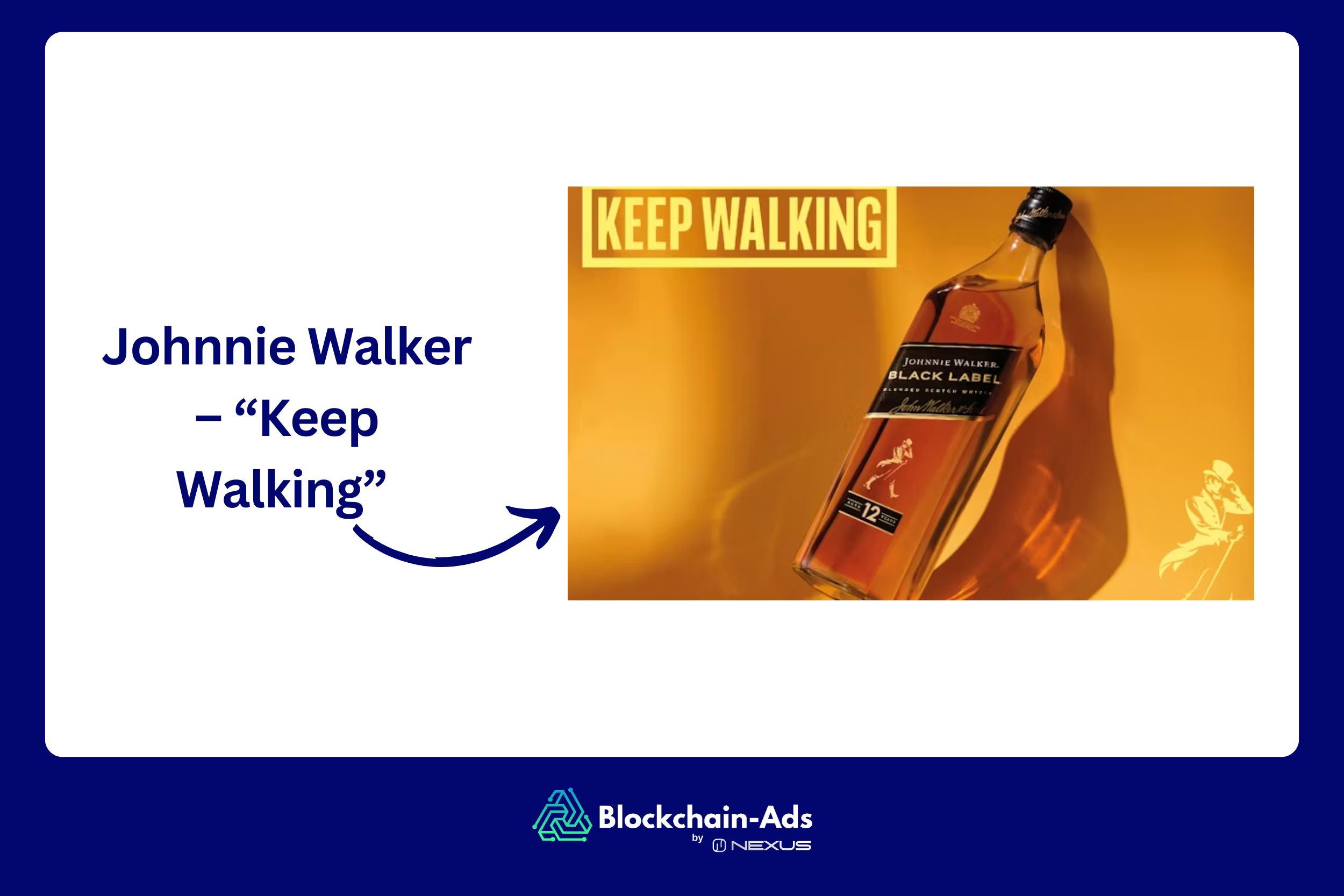
Johnnie Walker’s ‘’Keep Walking’’ campaign launched in 1999 and became one of the longest-running and most successful global brand campaigns in spirits. The campaign used TV, OOH, digital and experiential activation ads to send motivational messaging that attracted consumers looking for personal and professional growth. It was a simple and powerful campaign that guided Johnnie Walker’s brand to grow for over two decades.
Why it worked:
- Created a movement that was bigger than the product, focusing on human values
Aviation Gin – Ryan Reynolds’ owner-led, self-aware video campaigns.
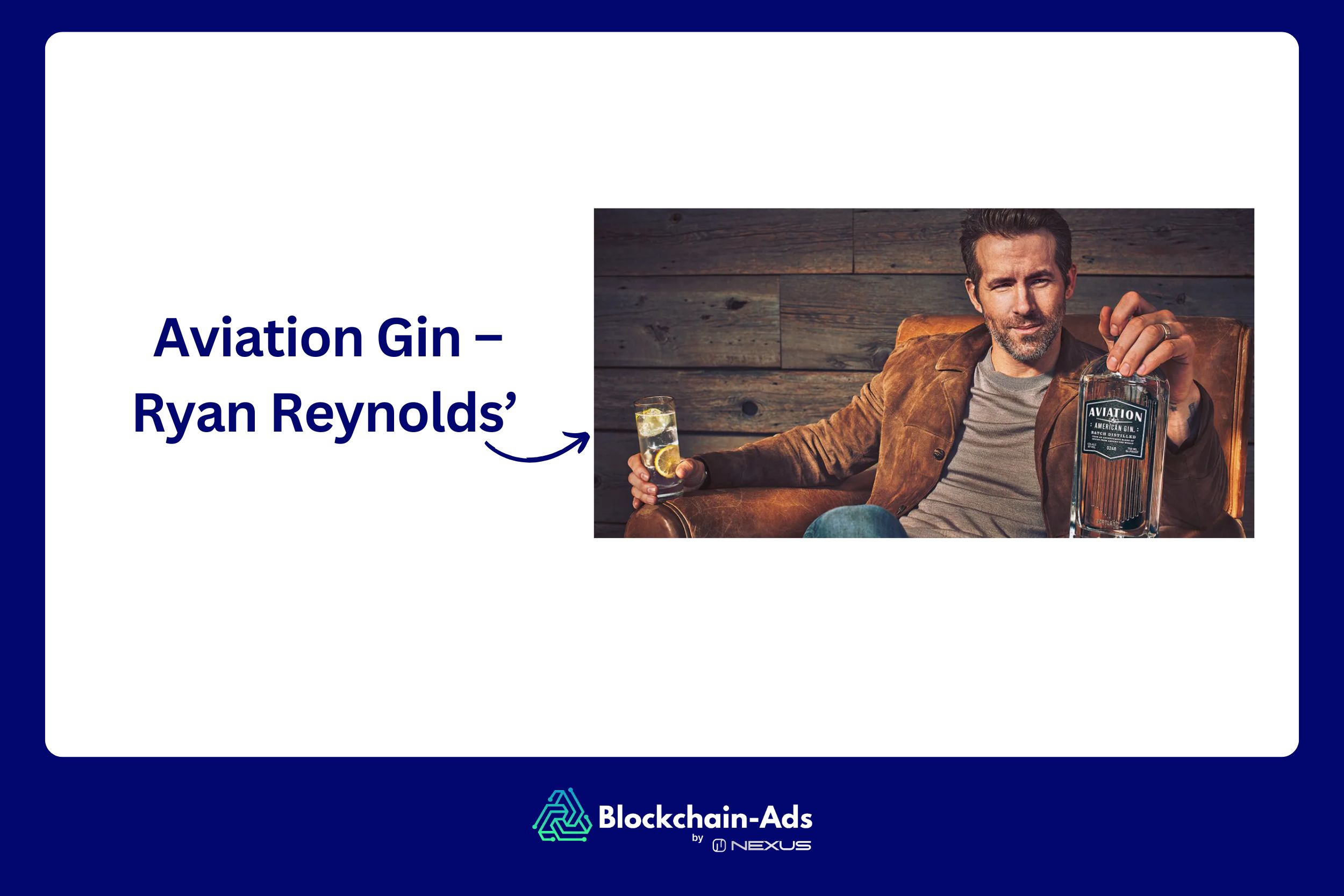
Ryan Reynolds became the face and creative director of Aviation Gin in 2018. He used humor, low-budget aesthetics, and timely reaction to cultural moments. He wrote, produced and starred in most of the campaign videos. This approach accelerated growth. In 2019, the brand grew its volume by over 100%, contributing 40% of the growth in the super-premium gin.
Why it worked:
- The brand prioritized speed and often released content within days to capitalize on viral trends.
Tanqueray – “Make it T-Time” Bridgerton social campaign tie-in.
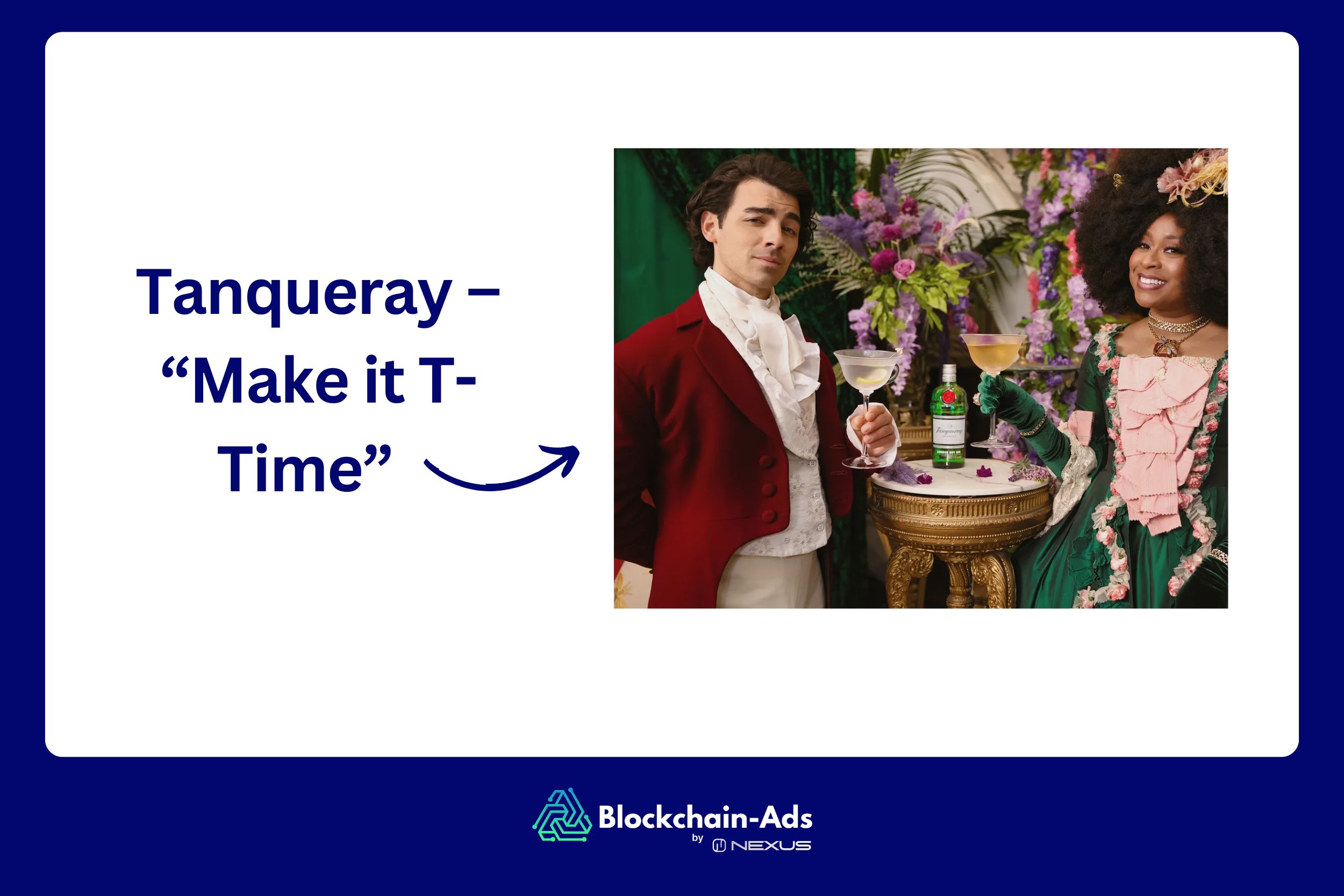
Tanqueray as a premium gin partnered with Netflix’s Bridgerton to create the ‘’Make it T-Time campaign. The goal was to transform the traditional concept of teatime into a cocktail social ritual. The campaign featured actor Joe Jonas and social content.
This encouraged fans to share how they #MakeItTime, offering VIP access to a Bridgerton-themed ball. The campaign delivered significant user-generated content (UGC, driving a 41% increase in followers and a 42% lift in engagement across the brand’s social channels during the partnership window.
Why it worked:
- The brand sponsored the show and integrated fully into the show’s theme
- The hashtag contest gave fans a clear and fun prompt to create and share their own content.
- The VIP event prize was highly aspirational.
Harbin – Sit-Pack World Cup multipack turned into seats.
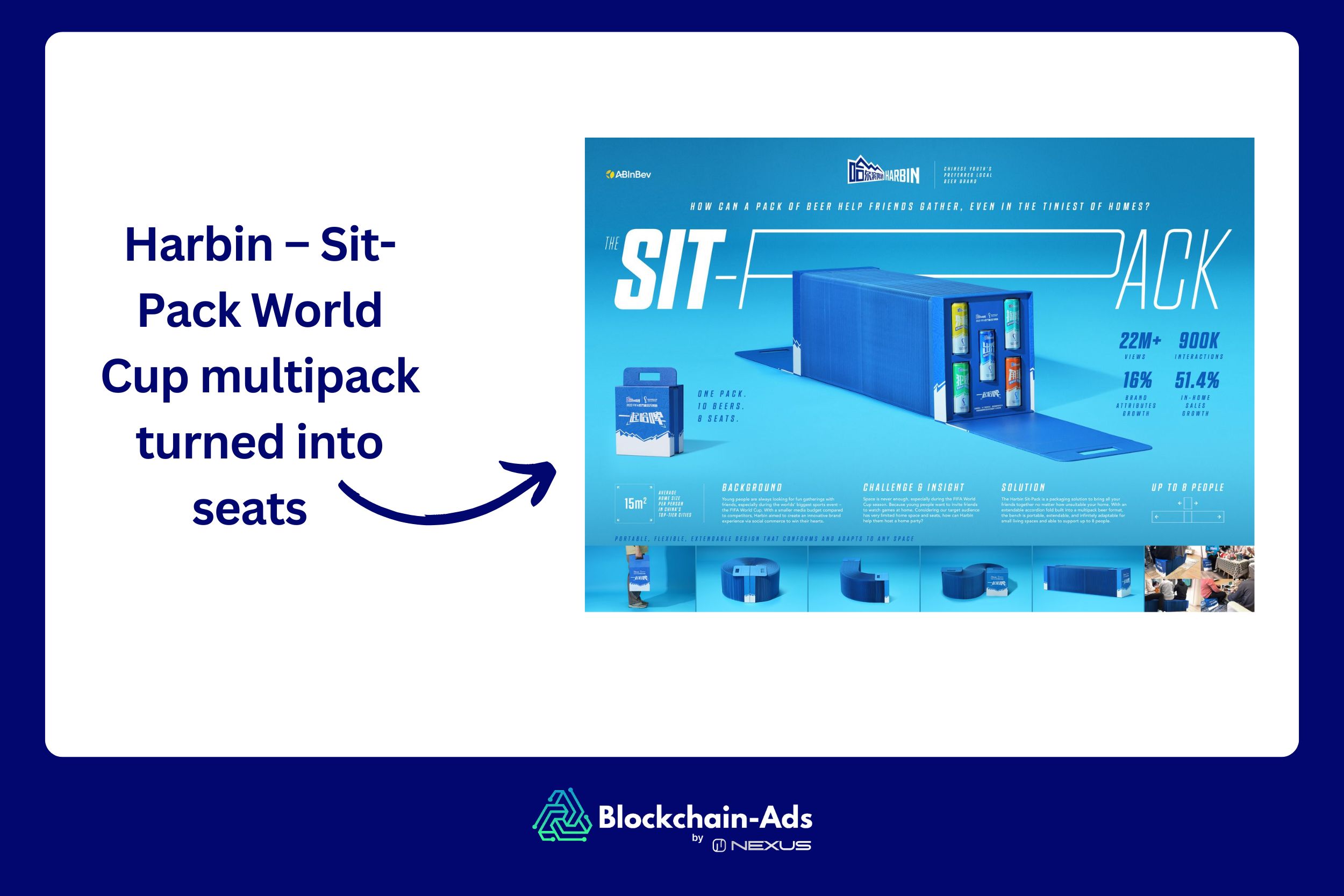
Beer brand Harbin grew engagement and sales among young Chinese consumers during the 2022 FIFA World Cup. They introduced the Harbin Sit Pack. It was a 10-can multipack carton designed to fold and transform into a strong bench that could accommodate up to eight people. This practical innovation was a success and significantly boosted the brand ratings on attributes like ‘’Innovative Brand.’’
Why it worked:
- The functional innovation solved a tangible consumer pain
- Limited-edition supply and livestream sales created massive urgency and demand
Guinness Korea – “Stouties” Halloween QR-driven bar activation.
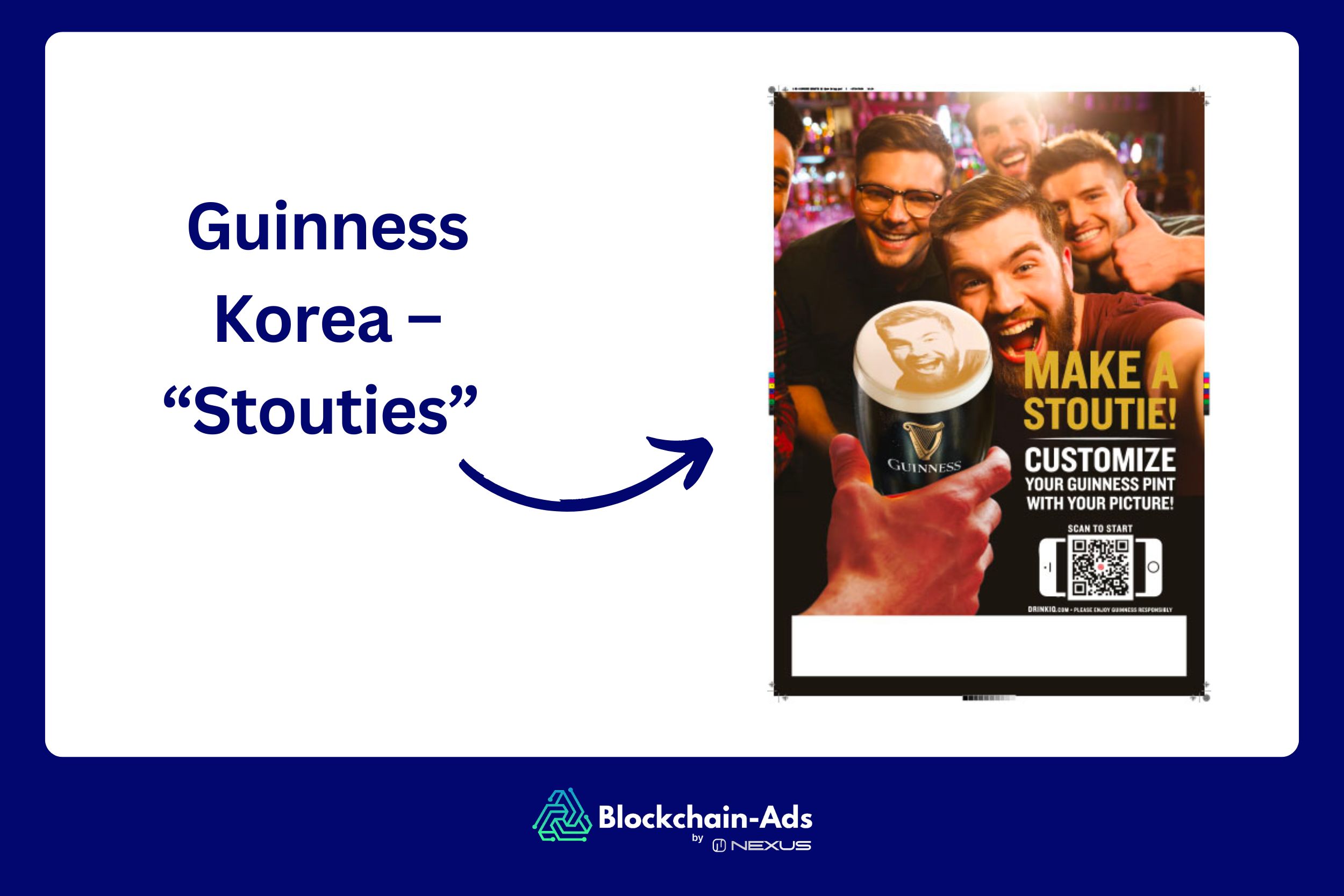
Guinness Korea wanted to push on trade engagement and get younger consumers interacting with the brand inside bars. They used a fun activation called ‘’Stouties’’ during Halloween by distributing temporary tattoos or face-paint stencils with a unique QR code. When scanned on a phone, the code triggered an augmented reality (AR) filter that transformed the person’s face into a perfectly poured pint of Guidance.
Why it worked:
- Turned a pint of Guinness into an interactive digital experience
- Highly shareable as every customer became a micro-influencer for the brand
Key Elements of a Successful Campaign
After analyzing these best alcohol campaigns, certain traits appear repeatedly, which include:
- Aspirational storytelling: It sells an idea or a mindset, making the product a piece of cultural capital.
- Cultural relevance and timeliness: The best ads use current events or popular trends to boost engagement and brand recognition.
- Design longevity: This helps create a visual identity that is simple, unique and infinitely adaptable to build massive recognition.
- Honesty and Inclusivity: We have seen that when brands honestly reflect the diversity of the world (Smirnoff) and acknowledge trade-offs (Heineken), it builds trust and drives new customer acquisition.
- Utility and experience: Adding practical value (packaging, creating a memorable physical activation) drives engagement.
Alcohol Advertising Regulations & Responsible Marketing
Compliance is very important when advertising alcohol. Ignoring these rules is costly and destroys the brand reputation quickly. In the U.S., the regulatory structure is a combination of government oversight and industry self-regulation, including:
- Federal Trade Commission (FTC): Ads must be truthful and not deceptive. This applies to health claims, ingredient lists and pricing.
- Tax and Trade Bureau (TTB): Advertising must align with the approved label information to prevent misleading statements.
- Distilled Spirits Council (DISCUS): Advertisements must only be placed where at least 71.6% of the audience is of legal drinking age (21+).
Alcohol Advertising on Blockchain-Ads
The real bottleneck for most alcohol brands is not creative, it is distribution, targeting, and compliance at scale. That is where a specialized platform like Blockchain-Ads comes in. Blockchain-Ads is built to solve issues of alcohol compliance and legal regulation.
The platform helps target audiences based on verified purchase preferences and behavioral data to ensure that every ad impression is compliant. Below is a 3-step path to scale with Blockchain-Ads
- Step 1: Verify: Access is restricted to verified advertisers only. All creative, claims and media plans undergo compliance and budget checks.
- Step 2: Launch: Fund your account and launch a goal-driven campaign via automated or managed service models.
- Step 3: Scale with NEXUS AI: The platform’s NEXUS AI refines targeting, optimizes budgets and maximizes the outcomes in real time.
The good thing about Blockchain-Ads is the measurable results. Moët Hennessy used Blockchain-Ads to target alcohol consumers across European markets. The 180-day campaign achieved $58.4M premium alcohol revenue across Europe, 12.8 million qualified adult impressions and 7.8X ROAS with alcohol ad spend of $7.49M.
FAQs
What are the different types of alcohol advertising?
The key channels for alcohol advertising include broadcast/streaming, print/OOH, digital/social, and experiential.
What are the rules for advertising alcohol?
The rules are mainly guided by the DISCUS Code and enforced by the FTC and TTB. You must target an audience where at least 71.6% are of legal drinking age (21+ in the U.S.). In addition, ads must never suggest claims and all campaigns must avoid targeting minors.
Qualify and get acess to Blockchain-Ads
Lorem ipsum dolor sit amet, consectetur
.png)
The $450B supplements market isn't waiting for you
Buyers are searching for products like yours right now. Reach them with Blockchain-Ads
Read related blogs

Talk with some of our current partners
View all success stories

Reach 12M+
Engaged Web3 users across 10,000+ websites and 37 blockchains.