
2026年メディアバイイングトレンド:トップ戦略と新興チャネル
2026年、メディアバイイングマーケティング市場はかつてないスピードで成長しています。この変化は、データ分析、AI、消費者行動の変化の進歩によって推進されています。マーケターは、正確なターゲティングと測定可能なROIを提供する革新的なプラットフォームへと、従来のチャネルから移行しています。
プログラマティック広告が引き続き主流である一方、オーディオストリーミング、コネクテッドTVなどの新興チャネルがより多くの注目を集めています。ブランドは、ファーストパーティデータを使用してキャンペーンを最適化する際に、プライバシーに準拠した戦略を優先しています。
幸いにも、Blockchain-Adsのようなプログラマティックプラットフォームは、ブランドがこれらの新興チャネルとトレンドを活用するのを支援しています。このプラットフォームは、ディスプレイ広告、ネイティブ広告、アプリ内広告、CTV広告全体で、オーディエンスターゲティング、AI最適化、ブロックチェーン検証アトリビューションを統合しています。
2026年を形作るトップメディアバイイングトレンドと戦略、そしてマーケターが最大限のエンゲージメントを追求する上で見逃せない新興チャネルを詳しく見ていきましょう。
メディアバイイングとは何か、なぜトレンドが重要なのか?
メディアバイイングは、ラジオ、テレビ、ソーシャルメディア、ウェブサイトなど、さまざまなプラットフォーム全体でマーケティングスペースを取得し、ターゲットオーディエンスにより効果的にリーチすることです。理想的なチャネルの選択、コストの交渉、最適なタイミングでの広告の計画が含まれます。
デジタルマーケティングにおいて、メディアバイイングはリアルタイムビッディング、プログラマティック広告配置、ROIを高めるためのキャンペーン最適化を伴います。主な目的は、適切な時間にターゲットオーディエンスにリーチし、低コストで視認性を最大化することです。
効果的なメディアバイイングキャンペーンには、戦略的計画、徹底的なデータ分析、成功した結果を達成するための定期的なパフォーマンス追跡が必要です。マーケターは、広告キャンペーンでより良いリターンを達成するために、メディアバイイングトレンドを研究すべきです。それにより、より良い予算配分が可能になり、最も影響力のあるチャネルを特定し、進化する消費者行動を研究するのに役立ちます。
2026年の8つのトレンドと新興チャネル
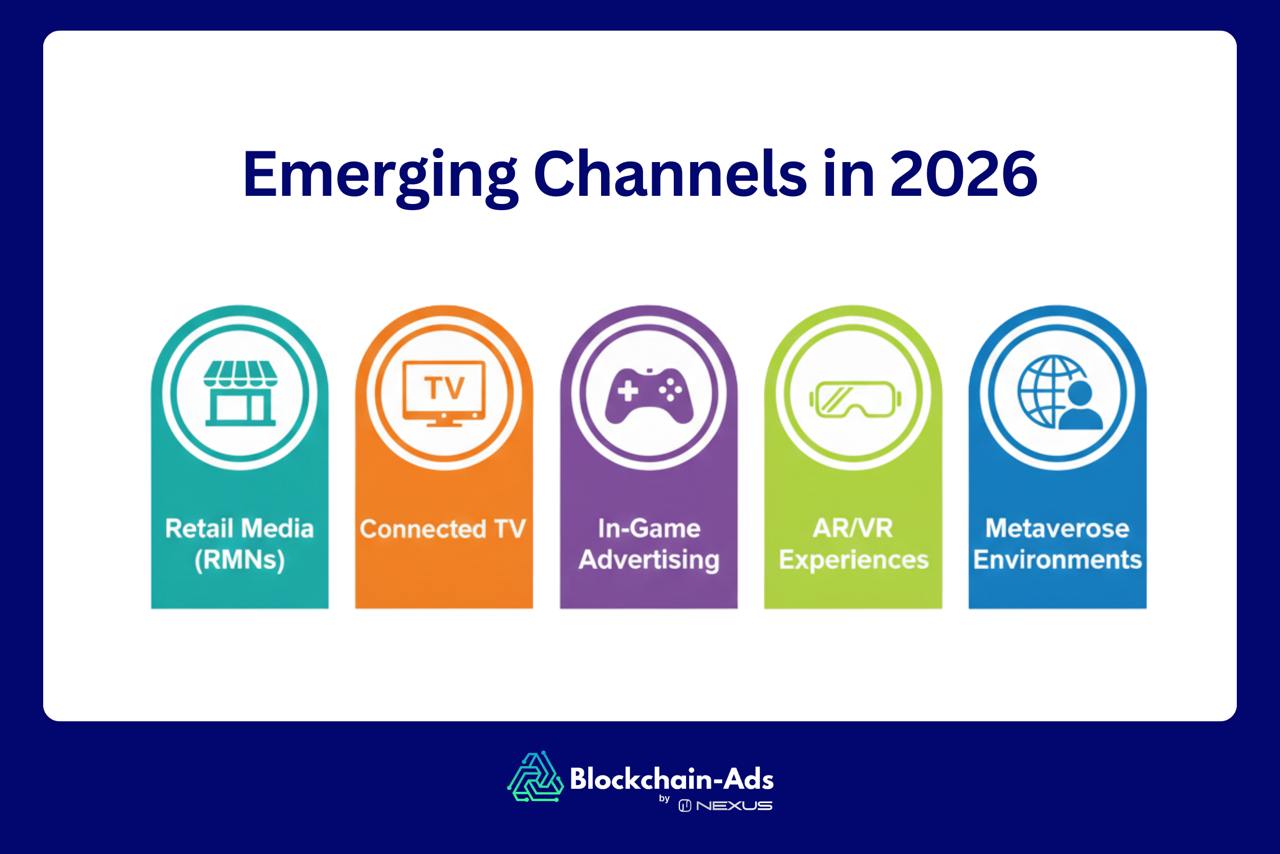
企業が競争力を維持し、メッセージが適切な時間と場所で適切なオーディエンスに届くことを保証するための8つのトレンドをご紹介します:
1. リテールメディアネットワーク(RMN)の台頭
リテールメディアネットワーク(RMN)により、広告主は小売業者のファーストパーティショッパーデータ、検索、閲覧、購入履歴を活用し、販売地点近くでユーザーにリーチし、測定可能なクローズドループアトリビューションを提供できます。Amazon、Walmart、Targetなどのプラットフォームは、高い意図のセグメントを構築し、広告露出をバスケットレベルの結果に直接結び付けることができ、RMNを2025年で最も急速に成長している予算配分先の1つにしています。
メディアバイヤーにとって、RMNはオンサイト、アプリ内、オフサイトの配置全体で精密なオーディエンス構築と、メディアをクリックだけでなく収益に結び付ける販売ベースのレポートを提供します。多くのDSPが現在、RMNインベントリまたはAPIを統合しており、チームは孤立した購入ではなく、単一の計画からリテールメディアとオープンウェブおよびCTVを管理できます。
2. コネクテッドTV(CTV)が中心舞台に
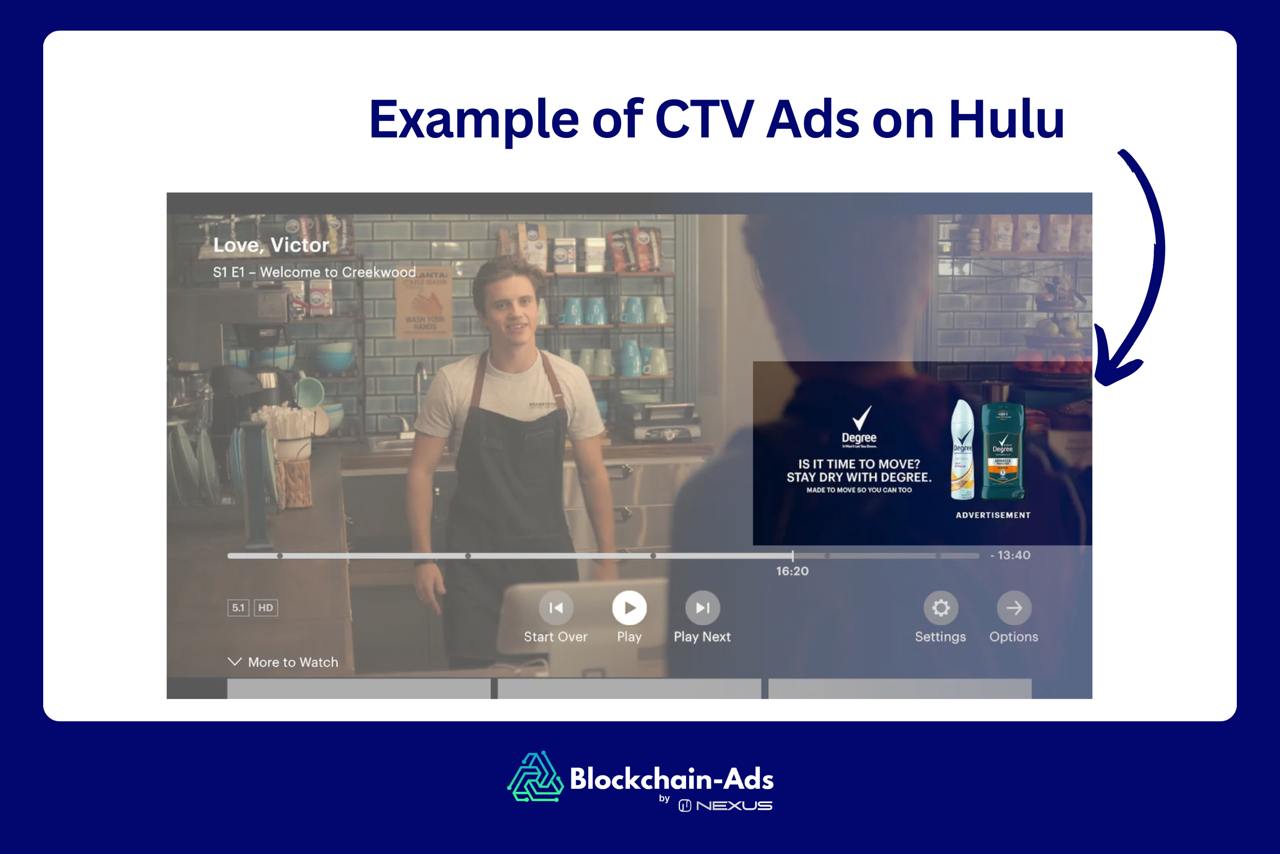
オーディエンスがリニア放送からYouTube TV、Netflix Ads、Hulu、FASTチャネルなどのストリーミングプラットフォームに移行するにつれ、CTVはコアメディアバイイングチャネルになりました。プログラマティックCTVにより、広告主はオーディエンスデータ、フリークエンシーキャップ、リアルタイムビッディングを使用して、広範な人口統計的TV購入ではなく、特定の世帯にリーチできます。
主な課題は断片化であり、視聴者が複数のストリーミングアプリとデバイスに時間を分散するため、フリークエンシー制御と統一されたレポートが複雑になります。Blockchain-Adsのようなメディアバイイングプラットフォームは、CTVインベントリをオムニチャネルDSPに統合することで対応しており、チームは1つのフローでディスプレイ広告、モバイル広告、CTVを管理し、CTVを独立したサイロとして扱うのではなく、増分リフトを測定できます。
3. AI駆動の最適化と自動化
AIは現在、メディアバイイングの中心であり、入札戦略からクリエイティブテスト、予算再配分まですべてに力を与えています。2025年には、広告主の4分の3以上が、キャンペーンの最適化、パフォーマンスの予測、配置全体での支出のリアルタイム自動調整にAIツールを使用していると報告しています。
予測入札エンジンは、ユーザープロファイル、パブリッシャー行動、過去のオークションデータを評価し、より低い有効CPMで価値のあるインプレッションを獲得します。AI駆動のクリエイティブツールは、その後、大規模にバリエーションをテストし、パフォーマンスの低いものを迅速に一時停止します。
Blockchain-AdsはNexus AIを使用して毎日数十億のシグナルを分析し、資金調達アカウント、預金、サブスクリプション開始などの検証済みの結果を推進するセグメント、クリエイティブ、パブリッシャーに予算をシフトします。変更は広告主に完全に可視化され、元に戻すことができます。
4. プライバシー優先とコンテキストターゲティング
サードパーティCookieがほぼ段階的に廃止され、プライバシー規制が厳しくなるにつれ、メディアバイヤーは同意を尊重しながら正確なターゲティングと測定を可能にするアプローチを必要としています。これにより、ファーストパーティデータ、クリーンルーム、サーバーサイドトラッキング、データ損失を最小限に抑える検証済みアトリビューションモデルへの依存が高まっています。
キーワードマッチングに加えて、コンテキストターゲティングは現在、NLPエンジンを使用して広告をページの意味、感情、意図に一致させます。例えば、Blockchain-Adsはコンテキストデータ、行動およびウォレットベースのシグナル、サーバーサイドおよびオンチェーンログを組み合わせて、規制対象の広告主のプライバシーと監査可能性を向上させます。
5. インハウス化とハイブリッド購入モデル
より多くのブランドが、メディアバイイングをインハウス、エージェンシー、ハイブリッド構造のいずれで実行するかを再評価しています。インハウス化は、より厳格な管理、より速い意思決定、生データとツールへの直接アクセスを提供しますが、専門家の人材、テクノロジースタック、継続的なトレーニングへの投資が必要です。
エージェンシーは、複雑でマルチマーケットまたは実験的なキャンペーンにおいて依然として重要な役割を果たし、プラットフォームの専門知識、交渉力、スケーラブルな実行能力を追加します。ますます多くの企業が戦略とデータをインハウスに保ち、エージェンシーまたはスペシャリストがプログラマティック購入、CTV、専門ネットワークを管理しています。これにより、外部の専門知識を活用しながら監督を維持できます。
6. 没入型およびゲーム広告
没入型およびゲーム環境は、メディアバイヤーに高度にエンゲージされた、多くの場合リーチが困難なオーディエンスへのアクセスを提供しています。ゲーム内配置は、静的バナーからゲームプレイに溶け込むネイティブ要素へと進化しており、リワード動画、ブランド体験、インタラクティブフォーマットは、ユーザーにセッションを放棄することを強制せずに注目を集めています。
ARおよびVR体験、および初期のメタバーススタイルのプラットフォームにより、ブランドは仮想ショールーム、製品試用、イベントなどのハンズオンインタラクションを作成できます。パフォーマンスチームは、没入型インプレッションを追跡し、インストール、登録、購入などの下流の結果に帰属させる必要があり、単なる認知度のプレイではありません。
7. オムニチャネル測定とアトリビューション
キャンペーンがディスプレイ広告、検索、ソーシャル、CTV、アプリ内、オフラインのタッチポイントにまたがるにつれ、統一された測定とアトリビューションはもはやオプションではありません。マーケターは、デバイスとチャネル全体のインプレッション、クリック、コンバージョンを統合するダッシュボードが必要であり、コンバージョンを二重にカウントせずに増分リフトパスを監視します。
最新のアトリビューションスタックは、サーバーサイドトラッキング、クロスデバイスグラフ、行動と注意シグナルの両方を考慮するマルチタッチモデルに移行しています。例えば、Blockchain-Adsは、ピクセルとサーバーサイドデータをオンチェーン検証と統合することで、金融、ゲーム、暗号ブランドに監査可能なログと一貫したメトリクスを提供し、インプレッションからコンバージョンまでの不変イベントトレイルを確保します。
8. 予測分析と予測
予測分析は、過去のパフォーマンス、オーディエンス行動、市場シグナルを使用して将来の結果を推定し、立ち上げ前にメディア戦略を推奨します。実際には、これはチャネル別に期待されるCPAまたはROASを予測し、セグメントがいつ飽和するかを予測し、ディスプレイ広告、CTV、ネイティブ広告などのフォーマット間で予算をシフトする影響をモデル化することを意味します。
AI駆動の予測により、メディアバイヤーはパフォーマンス不振がレポートに表示されるのを待つのではなく、ペーシングと配分を積極的に調整できます。Blockchain-AdsはNexus AIを使用して高価値ユーザーの場所を予測し、オークションと競争期間中に安定した獲得価格を維持するために10,000以上のサイトとアプリ全体で予算を調整します。
2026年のメディアプランでこれらのトレンドを活用する方法
2026年のトップメディアバイイングトレンドを最大限に活用するには、メディアプランに慎重にアプローチする必要があります。これらのトレンドを効果的に活用する方法は次のとおりです:
- リテールメディアネットワーク(RMN)を活用:AmazonやWalmartなどのプラットフォームのファーストパーティショッパーデータを使用して、正確なターゲティングとより明確な販売アトリビューションを実現します。小売業者と提携するか、RMNアクセスを提供するプラットフォームを使用します。
- コネクテッドTV(CTV)を優先:プログラマティックCTVに大きな予算を割り当て、スマートTVとデバイスでオーディエンスにリーチします。The Trade DeskやSimpli.fiなどのツールを使用して断片化を管理し、視聴者の疲労を避けるために広告フリークエンシーを制御します。
- AI駆動ツールを活用:リアルタイムビッディング、クリエイティブ最適化、不正検出にAIを組み込みます。Google Ads AI機能、Adobe Advertising Cloud、Bidalgoなどのプラットフォームは、キャンペーンの効率とセキュリティを向上させることができます。
- プライバシー優先ターゲティングを採用:LiveRampやOracleのツールなど、プライバシーを尊重するデータクリーンルームとAI駆動のコンテキストターゲティングソリューションに投資し、コンプライアンスと広告の関連性のバランスを取ります。
- インハウス化とハイブリッドモデルを探索:ハイブリッドアプローチから始めることを検討してください(戦略をインハウスに保ちながら、複雑なメディア購入をエージェンシーにアウトソーシングし)内部能力を段階的に構築します。
- 没入型およびゲーム広告を試す:Unity AdsやMetaのHorizon Worldsなどのプラットフォームを使用して、ゲーム内広告、AR/VR、メタバースを活用し、テクノロジーに精通した集中したオーディエンスをエンゲージします。
- オムニチャネル測定を実装:DatoramaやNielsenなどの統一ダッシュボードを使用して、チャネル全体のレポートとクロスデバイストラッキングを統合し、明確なリアルタイムキャンペーンビューを取得します。
- 予測分析と予測を適用:IBM WatsonやSASなどのAIツールを活用して、トレンド予測、予算配分、積極的なキャンペーン調整を行い、支出とパフォーマンスを最適化します。
- 予算優先順位付けと機敏性に焦点を当てる:オーディエンス行動とプラットフォーム結果に基づいて予算を継続的に配分し、キャンペーンをテストおよび調整して年間を通じてROIを最大化します。
メディアバイイングの未来:2026年以降
2026年以降のメディアバイイングの未来は、エキサイティングで挑戦的なものになるでしょう。AI、ブロックチェーン、メタバースなどの新技術は、ブランドがオーディエンスと関わる方法を変革します。メディアバイヤーは単にキャンペーンを実行するだけではなく、データ、技術、プライバシーを理解する戦略的専門家になります。
AIは自動化と予測を強化し、バイヤーがより賢明な予算決定を行い、クリエイティブを迅速に調整できるようにします。ブロックチェーンはより多くの透明性をもたらし、デジタル広告における重大な問題である不正との戦いに役立ちます。メタバースは、ブランドが消費者とつながるための新しい没入型スペースを提供します。
メディアバイヤーは、データ、クリエイティブ、プライバシーチームと緊密に連携する必要があります。彼らの役割は、技術スキルと戦略的思考を融合させるでしょう。オーディエンスがプラットフォームとデバイス全体に広がるにつれ、長期的な計画が鍵となります。
技術にもかかわらず、人間の洞察は依然として不可欠です。感情、文化、文脈を理解することは、真につながる広告を作成するのに役立ちます。最高のバイヤーはトレンドに従うだけでなく、それを予見します。彼らは、技術、創造性、共感を組み合わせて、急速に変化する環境において意味のある永続的な関係を構築します。
結論と重要なポイント
メディアバイイングは2026年以降、急速な変化を遂げています。追いつくために、マーケターは柔軟であり、新しいトレンドに対してオープンである必要があります。リテールメディアネットワークとコネクテッドTVは急速な成長を経験しています。AIとプライバシー優先ターゲティングは必需品になりつつあります。インハウス化、没入型ゲーム広告、オムニチャネル測定、予測分析もキャンペーンを再形成しています。
成功の秘訣は、技術と人間の理解を融合させることです。マーケターはプライバシーを優先し、データを効果的に活用し、新しいアイデアのテストにオープンであり続けるべきです。データを統合し、タスクを自動化するツールは、最良の結果を得るのに役立ちます。
戦略を継続的に適応させ、洗練させてください。これらのトレンドを受け入れ、効果的に活用することで、オーディエンスとより密接につながり、ROIを向上させ、急速に進化するメディアランドスケープで先を行くことができます。